
Last updated November 15, 2026
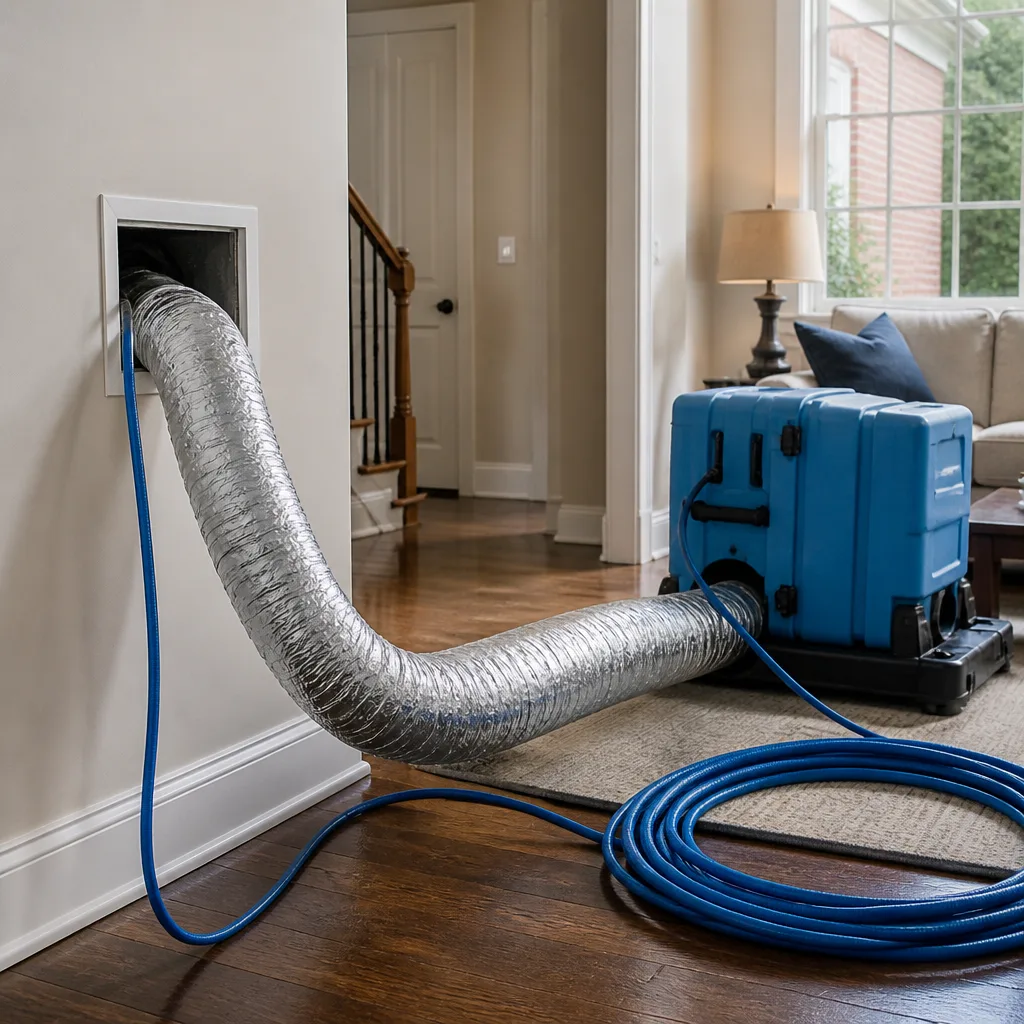 Whole-home duct cleaning
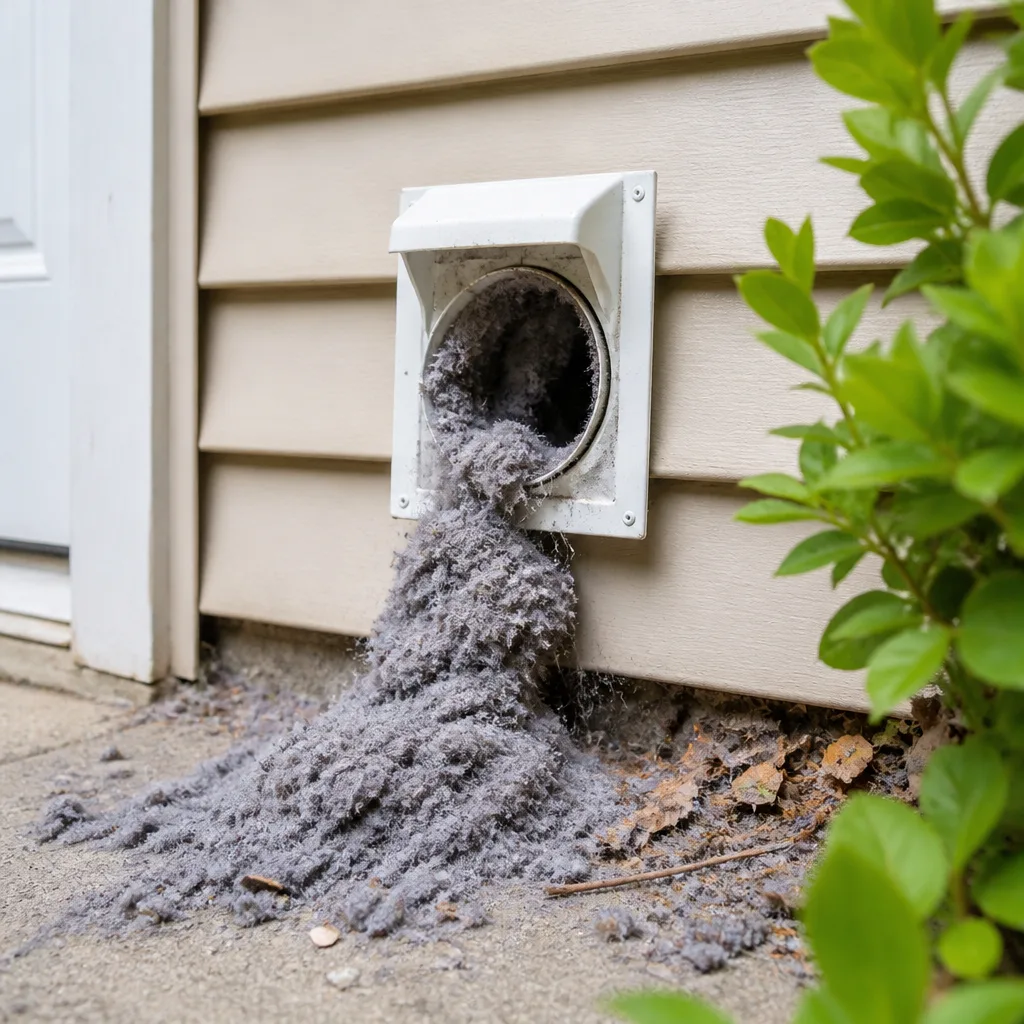 Dryer vent cleaning
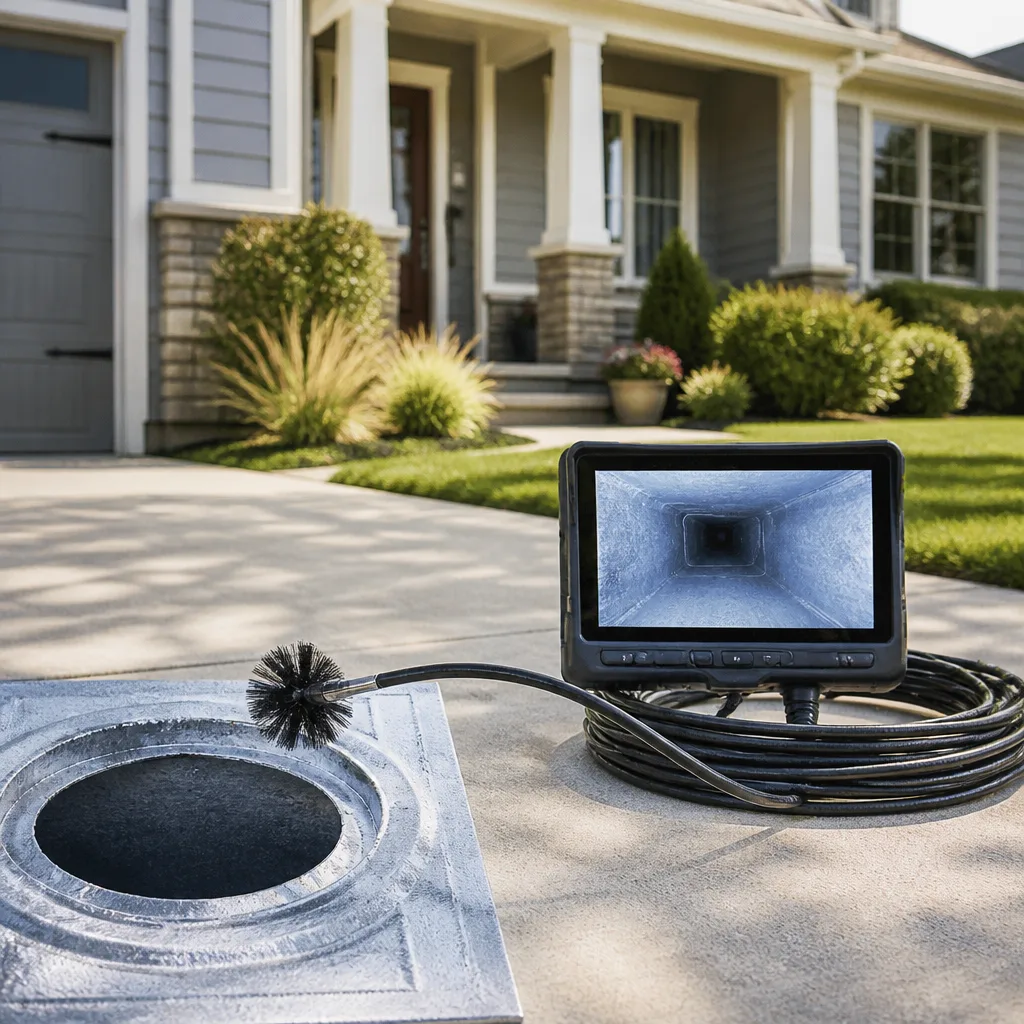 Camera inspection
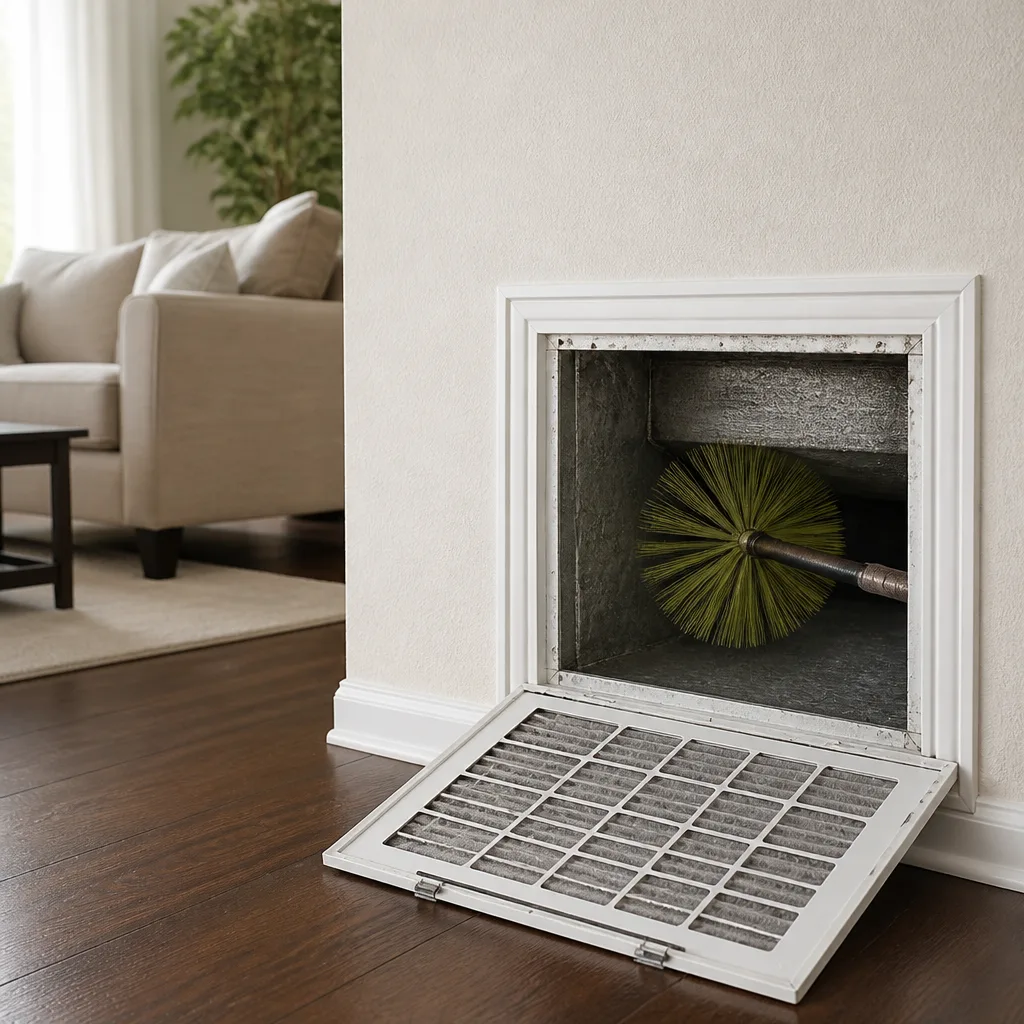 Sanitizing & deodorizing
Whole-system duct and dryer vent check with before-and-after photos - you see exactly what came out of your vents
That "$99 whole-house special" is a bait ad - the real number appears once they are in your hallway, or the "clean" is a shop-vac at the register. We photograph the inside of your ducts before and after instead.
Seasonal Air Duct Cleaning Care for Palm Coast: Year-Round Homeowner’s Guide
Most seasonal HVAC advice you’ll find online was written for climates with four distinct seasons and a long, cold winter. Palm Coast doesn’t work that way. Here, the heaviest stress on a duct system arrives in August, when the air handler runs most of the day and pulls hot, humid air across a coil that never gets a real break. December is the easy month. The hard part is knowing when the system needs attention and when cleaning actually delivers the most benefit. This guide walks through the two high-stress periods and the two transition windows that shape a smart maintenance calendar for any home in Palm Coast.
Quick Answer
In Palm Coast, the highest-value time to clean air ducts is late March through early May, before summer humidity load hits and after winter occupancy has pushed a season’s worth of debris into the system. A second useful window opens in October, when snowbird households return and the system restarts after a quiet, minimally conditioned summer. Professional cleaning timed to those windows, paired with a filter upgrade and a post-storm inspection of attic flex duct, keeps the full air pathway working through the year.
Styles & brands we work with
- Whole-home duct cleaning
- Dryer vent cleaning
- Camera inspection
- Sanitizing & deodorizing
Table of Contents
- Why Palm Coast Has Two Seasons, Not Four
- The Spring Window: Late March to Early May
- Winter Occupancy and What It Does to Your Ducts
- Post-Storm Inspection Protocol for Attic Flex Duct
- Fall Startup Checklist for Homes Left Quiet Over Summer
- Timing Cleaning Around a Filter Upgrade
- When Cleaning Is Not Enough: Repair and Restoration
- Dryer Vent Care on the Same Seasonal Calendar
Why Palm Coast Has Two Seasons, Not Four
Palm Coast gets warm, humid summers and mild winters. That sounds gentle. For an HVAC system, it isn’t. The cooling season is long and the system rarely gets a full day off between May and October. A duct system that’s carrying dust, pet dander, and construction debris during that stretch is moving that material across a wet evaporator coil hour after hour, which is exactly where buildup turns into a biological problem rather than a housekeeping one.
The other half of the story is seasonal occupancy. Lots of Palm Coast homes sit lightly used from May through September and then fill up from October through April, when seasonal residents return. That pattern changes the particulate load inside the ducts in a way that a northern homeowner’s calendar doesn’t have to account for.
So the practical takeaway is simple. Instead of thinking spring, summer, fall, winter, think in two high-stress periods and two transition windows:
- High stress #1: Summer humidity, roughly May through September, when the air handler runs most of the day.
- High stress #2: Winter occupancy, October through April, when a returning household adds furniture, textiles, cooking, and people to a system that had been quiet.
- Transition window #1: Late March through early May, before summer load, after winter debris.
- Transition window #2: October, at system restart for returning residents.
Everything else in this guide hangs off those four points. Once you see your home on that map, the maintenance questions answer themselves.
The Spring Window: Late March to Early May
Late March through early May is the single best window of the year to schedule duct cleaning in Palm Coast. Two things happen at once. Winter occupancy is winding down, so a returning household has already deposited the season’s dust, dander, and textile fibers into the return side. And summer humidity is still a few weeks out, so you clean before the system spends four months pulling moisture across a dirty coil.
This window is not arbitrary. It’s the point on the calendar when the debris that accumulated over the winter can be removed before the load that would have driven it deeper into the system. Waiting until late June to clean means the first three weeks of heavy summer runtime happened on a dirty pathway.
A spring appointment usually makes sense when any of these are true:
- The home had light or intermittent use over the summer and heavier use from October through April.
- You keep pets indoors, which adds a steady stream of dander and hair to the return side.
- Someone in the household has allergies or asthma that tends to flare when the system first runs hard in May.
- The HVAC system is older and runs longer cycles to reach setpoint, which means more air moved through the ducts per day.
- There was any renovation, painting, or drywall work inside the home over the winter.
If two or more of those apply, a spring cleaning is the higher-value booking compared with a fall one. You’ll want to schedule it early enough that the work happens before the system is running all day, not after. That’s why the air duct cleaning calendar here fills in April well before the heat arrives.
What a spring appointment covers
A proper spring cleaning is not a straight blowout. The brush-and-extract method, using a Rotobrush contact-cleaning system, scrubs the duct walls rather than agitating loose dust into the air. The register covers come off, the supply and return runs get brushed, and Nikro and Abatement Technologies extraction equipment pulls the loosened material out under containment. What you get at the end is a clean air pathway from furnace to vent, not a puff of scented air and a “see you next year.”
Ask for before-and-after photos of the inside of the runs. Any operator running professional equipment can provide them, and a duct cleaning company that can’t is telling you something about the process.
Winter Occupancy and What It Does to Your Ducts
Palm Coast doesn’t have a snowbird season because of cold weather. It has one because the winters are mild. What that means for a home that sits mostly empty from May through September and then fills from October through April is a sharp uptick in particulate load inside the duct system when the new household arrives.
The load isn’t dramatic day to day. But over four months of full occupancy, it adds up. Extra textiles (bedding, upholstery, curtains, rugs) shed fibers. Extra cooking adds grease and moisture to the return air. Extra foot traffic carries in fine dust from outside. Window screens and doors that get opened during the pleasant months let in particles that a sealed-up house doesn’t. All of that gets pulled into the return side, and the filter has to keep up.
This is where filter replacement frequency matters. A home that runs a filter for a year on the assumption that “the box says three months” is likely running it past useful life by the time October arrives. In practice, in Palm Coast, most occupied homes do best with:
- A filter check at the start of the return season in October, even if the filter is only weeks old.
- A filter change once a month during the heaviest occupancy stretch if there are pets or allergy sufferers in the home.
- A switch to a pleated filter rated for the system’s rated airflow, not just the highest MERV number on the label. Higher MERV does more work on small particles but can also raise static pressure, and an older system may not have the margin to spare. If you don’t know how much pressure your system can handle, ask before upgrading.
When in doubt, a fresh filter going into October costs less than the extra runtime of a strained system. And if winter occupancy is the stressor, the best cleaning timing is spring, when the debris the returning household deposited can be removed in one pass.
Post-Storm Inspection Protocol for Attic Flex Duct
Palm Coast summers bring tropical weather, and tropical weather brings wind, rain, and attic intrusions. Attic-routed flex duct is the most exposed part of most duct systems in this climate, and it’s also the part most homeowners never look at. That’s the reason a post-storm walkthrough matters more here than it does in a place without a hurricane season.
After any significant weather event, check the following in order. We frame this as inspection, not DIY repair, because the parts of the duct system you can safely look at are the ones you can see, and the parts you can’t see need a trained technician.
- Look at the attic for water staining. Any dark line on decking near a duct run means water entered. Where there’s staining, there was moisture, and moisture on flex duct insulation is a long-term problem even after the visible water dries.
- Check for disconnected or crushed flex runs. Wind and debris in an attic can knock a supply run loose from a boot or crush a section. A crushed section chokes airflow to one room; a disconnected one dumps conditioned air into the attic and pulls humid attic air back into the return.
- Smell the air near the registers. A musty or earthy smell during the first week after a storm usually points to moisture in the ducts or on the coil, not the outside air. Don’t run the system on high if the smell is strong; a wet system recirculates the problem.
- Inspect the exterior vents and terminations. If a storm dislodged a wall or roof vent, the duct behind it is open to outside air. That’s a genuine contamination pathway, and it needs to be sealed before the system runs again.
- Check the return grille and filter for debris intrusion. Wind-driven rain can push past a compromised return. If the filter looks damp or the grille has debris behind it, replace the filter and have the return side inspected.
If any of those checks turn up a problem, call in a professional. Duct systems aren’t dangerous in the way gas lines are, but flex duct runs in a hot attic are awkward to work around, and a technician who knows the layout can tell the difference between a cosmetic dent and a run that’s actually lost its seal. Once storm damage has been repaired, a duct cleaning in Palm Coast pass removes the debris that got into the system, which is often more than homeowners expect after a storm.
Fall Startup Checklist for Homes Left Quiet Over Summer
If your Palm Coast home sat mostly empty or was only lightly conditioned from May through September, the fall restart deserves its own walkthrough. This is the window where snowbird households return, and the first two weeks of occupancy are the easiest time to catch problems before they compound.
A practical fall startup looks like this:
- Change the filter before you run the system. A filter that sat through the summer has collected what little air moved through the house plus whatever came in through the return. Swap it before the first full day of runtime, not after.
- Run the fan alone for a short cycle. This moves air without bringing the compressor on, and lets you listen for rattles, whistles, or uneven airflow from any register. A single weak register usually points to a crushed or disconnected flex run in the attic.
- Smell the air at several registers. A stale or musty smell in a home that’s been closed up for months is a common finding, and it usually means dust buildup on the coil or in the ducts rather than anything in the room itself.
- Check the visible attic runs. Look for disconnected boots, sagging flex, and any sign of pest entry. Rodents in a quiet attic are not unusual, and a chewed flex run is a real contamination pathway.
- Walk the exterior. Confirm that wall vents and the condenser area are clear of debris, and that nothing has grown against the outdoor unit during the off months.
- Look at the thermostat history, if yours has one. Some thermostats log runtime. If the system ran for fewer than a few hundred hours over the summer, that’s a useful fact to mention when you book a cleaning, because it affects how much contamination you’re likely dealing with.
If any step surprises you, that’s the moment to book a professional inspection. Cleaning and inspection are cheaper than the repair that follows an ignored disconnected run.
Timing Cleaning Around a Filter Upgrade
Homeowners who upgrade their filtration often wonder whether to change the filter before or after the ducts get cleaned. The honest answer: clean first, then upgrade. Cleaning removes the accumulated material from the duct walls. Upgrading the filter afterward is what keeps it out.
Think of it this way. A better filter is a more efficient catcher. Installing it before the ducts are clean means it loads up on material that should have been extracted from the system. Installing it after the ducts are clean means the filter is protecting the clean system from day one, and you get more useful life out of it.
There’s a second timing question that matters: whether your system can handle the upgrade. A higher-MERV filter restricts airflow more than a basic one. On an older system with a limited blower, that extra restriction can be the difference between a comfortable house and one that can’t quite reach setpoint. Our technicians have up to 15 years of experience reading this trade-off, and a short conversation about your system type, thermostat runtime, and duct layout usually settles the right filter for the home. Honeywell and Aprilaire filter cabinets are common choices for the upgrade, and Guardsman media are another option depending on what fits your air handler. We can match the filter to the system rather than reaching for the highest number on the shelf.
The pairing that works for most Palm Coast homes:
- Professional duct cleaning extracts the accumulated debris from the duct walls and coil, using contact cleaning and commercial-grade extraction.
- Filter upgrade follows, sized to the system’s rated airflow.
- Filter replacement on a seasonal calendar, checked in October and changed again at the start of summer load.
Doing all three in one appointment fits the way this works best, and it’s why we carry the common product lines rather than sending homeowners to source pieces themselves. You can read more about how this connects to the broader scope on our Palm Coast service page.
When Cleaning Is Not Enough: Repair and Restoration
Cleaning handles what’s on the walls of the duct. Repair handles everything else. And in this climate, with this age of housing stock, the “everything else” is more common than most homeowners realize. Crushed flex runs, disconnected boots, torn insulation, and pest-damaged sections show up during cleaning often enough that booking repair as a same-visit service makes sense for the homeowner.
Signs that your system needs repair, not just a cleaning:
- One room is consistently warm or cool compared with the rest of the house, even with the thermostat balanced.
- A register has noticeably weaker airflow than the others on the same run.
- You can hear the system whistling or whistling changes when a room door opens.
- There’s visible sagging or separated flex duct in the attic.
- You’ve seen signs of pest activity in the attic.
Repair and cleaning handled in one appointment means no second contractor, no re-scheduling, and no gap between the day the problem was found and the day it was fixed. For a Palm Coast home coming into a new season, that timing is usually worth more than the price difference between two separate visits. Restoration of the full air pathway, from the return side through the supply runs, is what we mean when we say clean, repair, and restore.
Dryer Vent Care on the Same Seasonal Calendar
Dryer vent cleaning isn’t an HVAC concern, but it belongs on the same calendar because the timing logic is the same. The appliance gets heavier use during the high-occupancy months, and lint accumulation in a vent is a fire concern rather than a comfort one. The U.S. Fire Administration links thousands of residential fires annually to clogged dryer vents, and dryer vent cleaning is one of the cheapest ways to reduce that risk in a home.
On the Palm Coast calendar, the practical rhythm looks like:
- Late spring, alongside the duct cleaning, before summer occupancy patterns reset.
- At the fall restart, especially if the return of the household means extra laundry loads week after week.
- Any time the dryer starts taking longer than it used to, or the outside vent flap stops moving freely.
Some homeowners pair dryer vent cleaning with duct cleaning simply because the appointment is already booked and the traffic pattern through the attic is similar. Others book it as a standalone safety check. Either approach works, and both are worth asking about during the spring window.
Common Mistakes to Avoid
- Treating the calendar like it’s the same in every climate. Waiting for a “spring thaw” doesn’t apply here. The relevant trigger in Palm Coast is the start of the summer humidity load, not the end of any frozen season.
- Cleaning only when there’s a visible problem. By the time dust or debris shows at a register, the coil and return have usually been dealing with buildup for a season. Timer-based cleaning in late March or early May beats reactive cleaning.
- Installing a high-MERV filter on a system that can’t move the air. Higher filtration isn’t automatically better if the blower can’t handle the static pressure. Match the filter to the system before upgrading.
- Skipping the post-storm attic walkthrough. A disconnected flex run after tropical weather is easy to miss from inside the house, and it means the system may be pulling humid attic air into the return for weeks before it’s noticed.
- Booking a low-cost “blow-out” cleaning and assuming it’s a full job. Consumer-grade blowers agitate dust into the air without extracting it, and that’s the difference between cleaning and moving dirt around. Contact cleaning with real extraction is a different process, and it should show up in the before-and-after photos.
- Leaving the fall startup to the first hot day back. Snowbird households that check the system the day they arrive usually find at least one issue they’d rather have caught a week earlier, before the house was fully occupied.
- Cleaning the ducts and ignoring the dryer vent. Two similar-sounding services, two different problems. Both get worse when the household is fuller, and both are cheaper to handle on the same visit.
See the difference
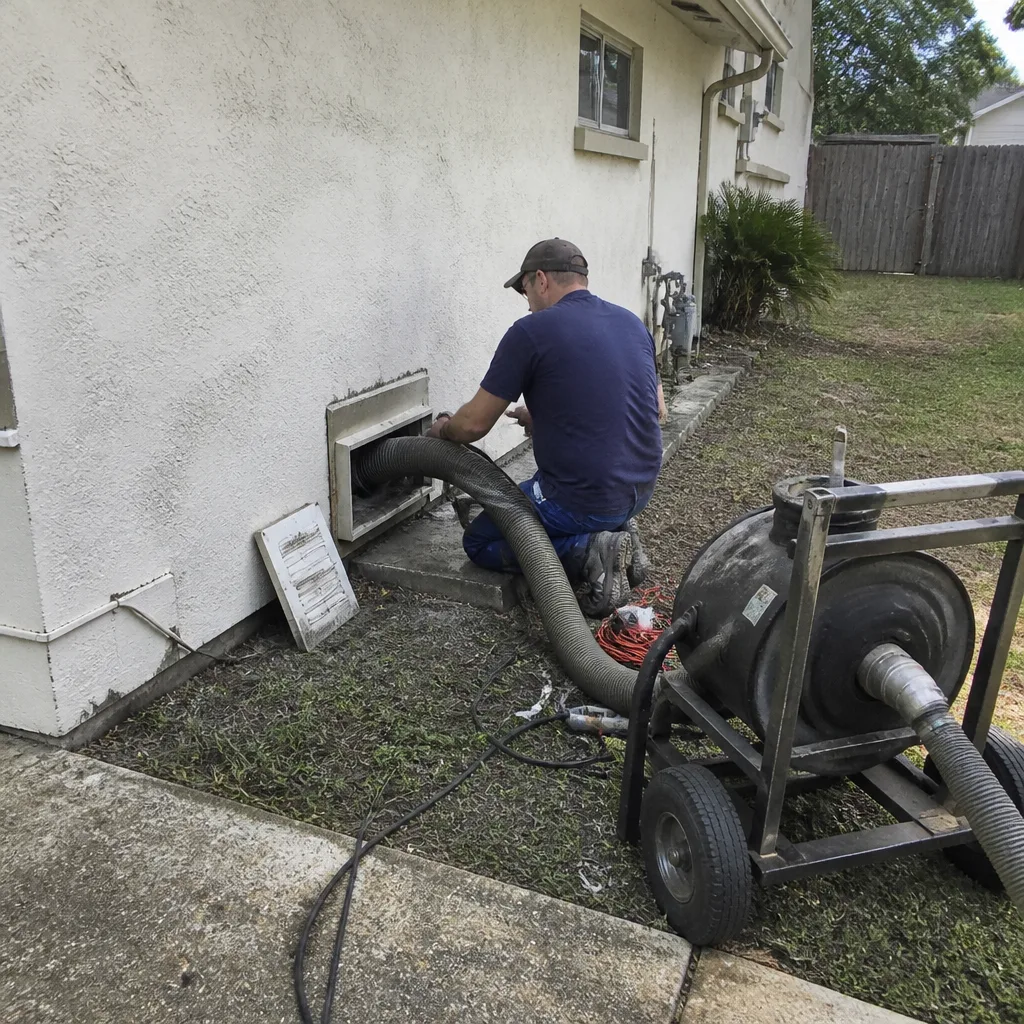 Before
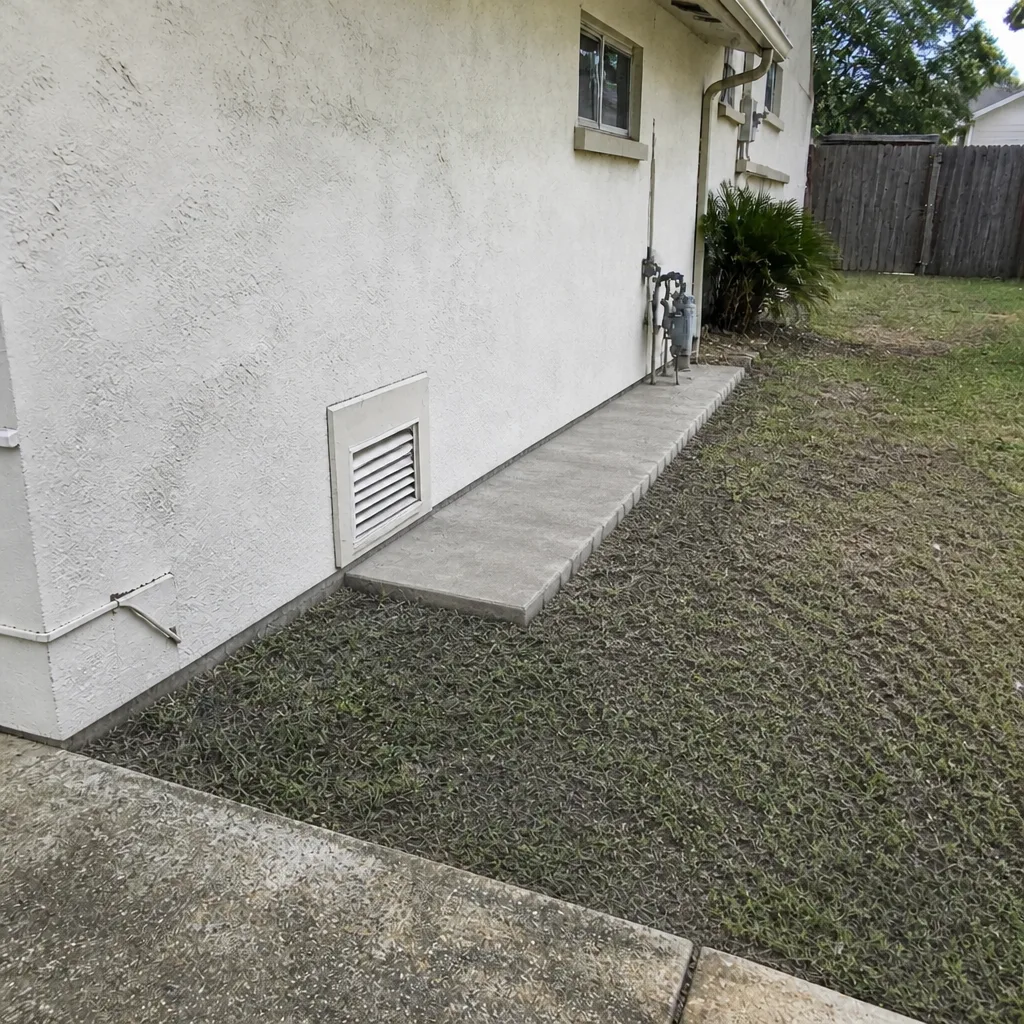 After
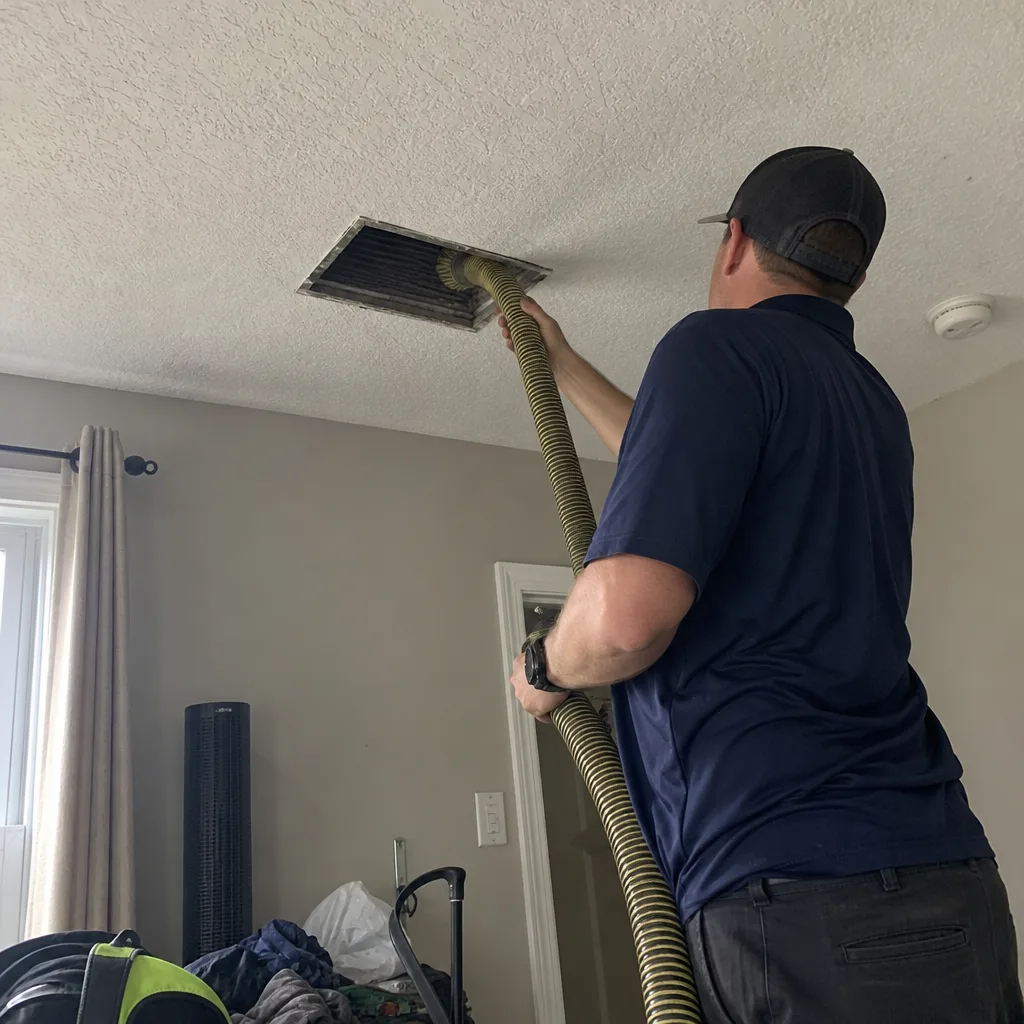 Before
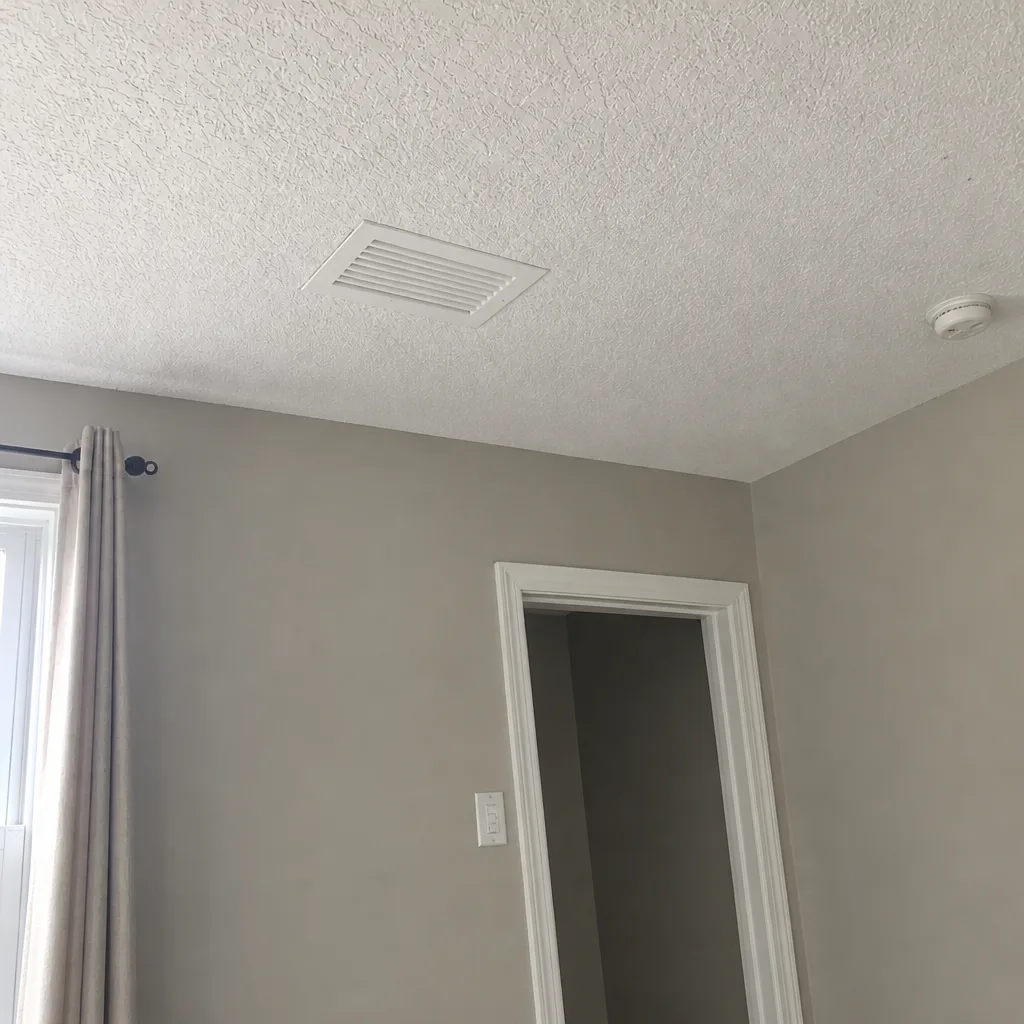 After
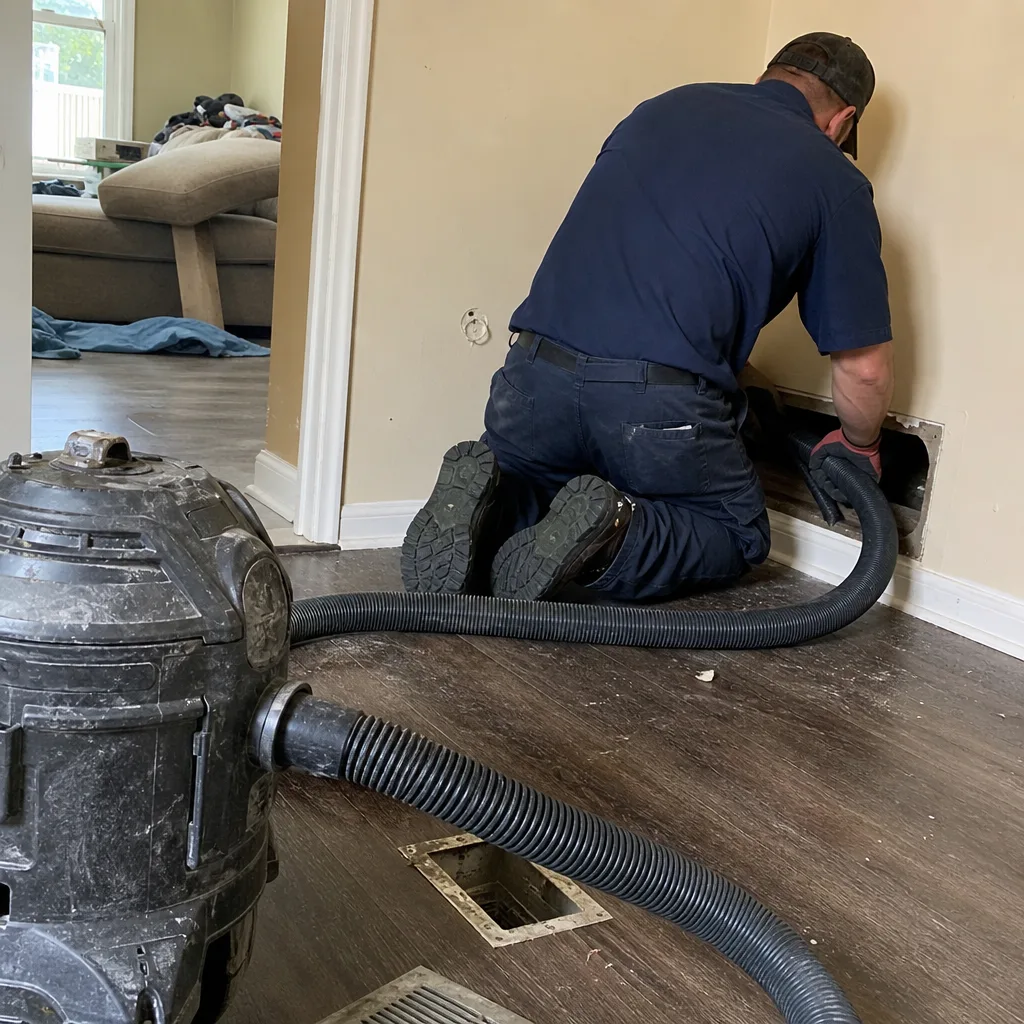 Before
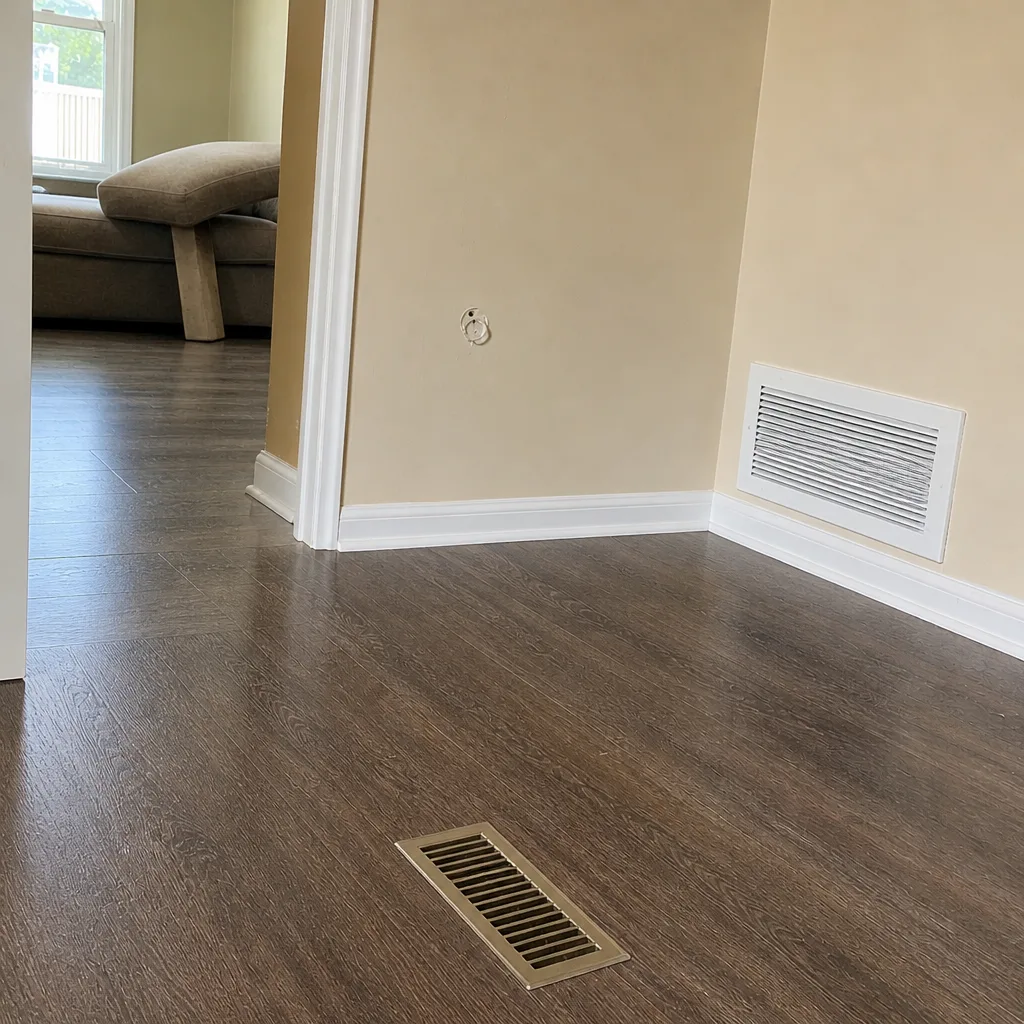 After
When to Call a Professional
Call a professional when the calendar points at the window (late March through early May for cleaning), when a return season is beginning (October, for homes that were quiet over the summer), or when something in the house has changed. Visible debris at the registers, a musty smell during the first week of heavy runtime, a single room that won’t hold temperature, a filter that keeps loading up faster than expected, or any tropical storm that got into the attic: those are the triggers. If you’ve been burned before by a low-price duct cleaning that turned out to be a quick blow-through, the same call fixes that too. Duct Cleaning Palm Coast offers free estimates in Palm Coast, and we work from a written scope so you know what’s actually being done. Call (855) 592-3509 to book a spring or fall window.
Frequently Asked Questions
Late March through early May is the best window. That timing cleans out the debris from winter occupancy before the summer humidity load starts pulling air across the coil for four months straight. The second-best window is October, at fall restart for homes that were lightly used over the summer. Call (855) 592-3509 for an exact quote. Estimates are free.
Once a year is a reasonable baseline for a Palm Coast home with pets, allergy sufferers, or seasonal occupancy swings; two years can be fine for a lightly used house without pets. The deciding factor is what accumulated since the last cleaning, not a fixed number. If you’re unsure, call and describe the home; that’s usually enough to settle the timing.
Pricing depends on the number of systems, the duct layout, and whether repair work is needed. We price per system, not per vent, and we set the number in a written estimate before work starts, so the invoice matches the quote. Call (855) 592-3509 for a free estimate on your specific system.
Usually because the process is different. A compressed-air blower that agitates dust without contact cleaning and commercial-grade extraction is quick, cheap, and doesn’t actually clean the duct walls. The better question is what equipment the operator is using and whether they can show before-and-after photos. Rotobrush, Nikro, and Abatement Technologies are the names to look for; a low quote that turns into a much larger invoice on-site is a bait-and-switch, and a written estimate up front avoids that entirely.
Before-and-after photos of the inside of your own duct runs are the honest answer. A professional cleaning leaves visible evidence on the walls, the return side, and the register boots, and the operator should be able to show it. Ask for those photos when you book, not after. Call (855) 592-3509 and we’ll walk you through what a finished job looks like.
Inspect the attic for water staining, disconnected or crushed runs, and visible pest or debris intrusion; then check the exterior wall and roof vents for dislodged terminations, and smell the air at the registers during the first week. If anything looks off, call for an inspection before running the system on high. That’s the fastest way to catch a wet or opened run before it becomes a bigger problem.
The Bottom Line
Palm Coast runs on a two-season HVAC calendar, and the maintenance decisions follow from that. Late March to early May is the highest-value cleaning window, because it cleans out the winter’s debris before the summer load arrives. October is the restart window, when returning households benefit from a filter change, an inspection, and a dryer vent check. Pairing duct cleaning with a properly sized filter upgrade gives you the most out of both, and a quick attic inspection after any tropical weather catches the flex duct problems that are easy to miss from inside the house. Our technicians have up to 15 years of experience, and we schedule around the calendar rather than the phone book. Call (855) 592-3509 for a free estimate. We answer 24/7. Fast dispatch from 7am to 7pm, Sunday through Friday.
Written by the team at Duct Cleaning Palm Coast.