
Last updated November 15, 2026
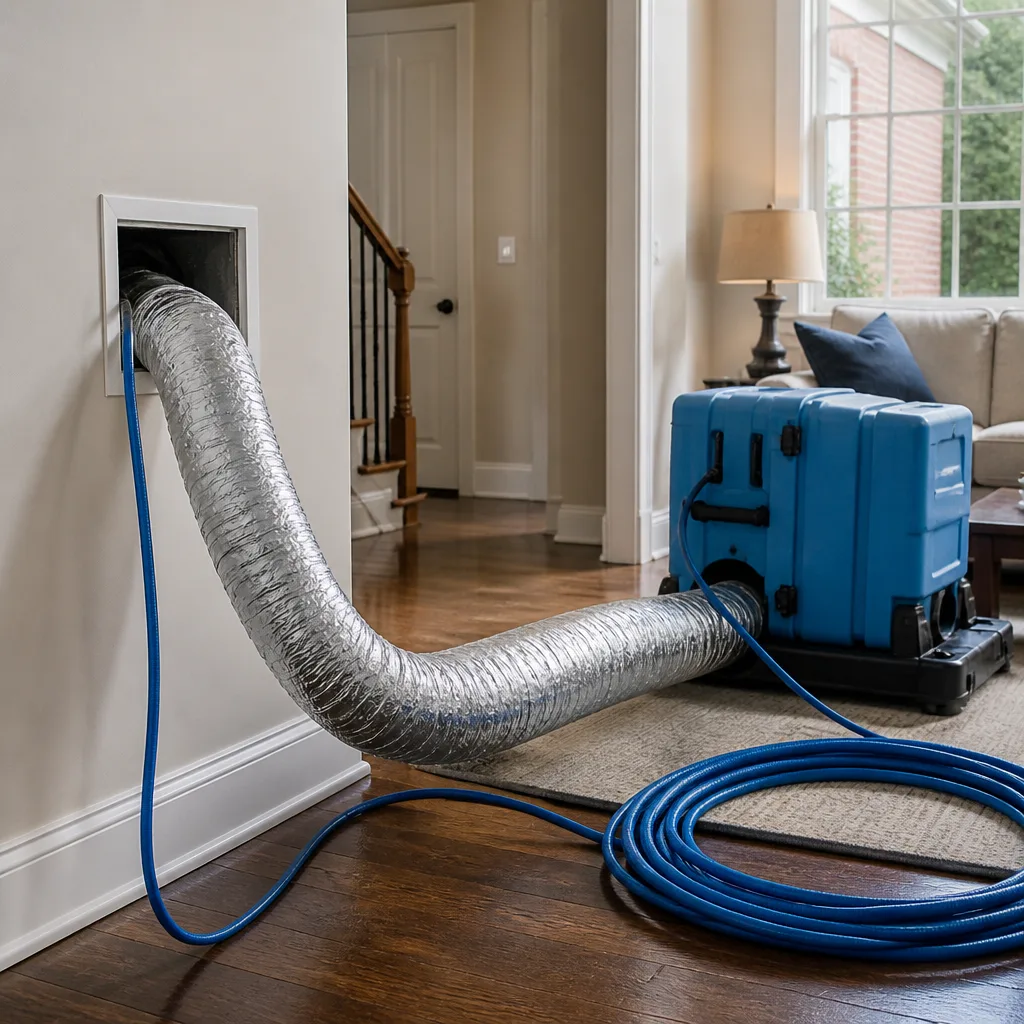 Whole-home duct cleaning
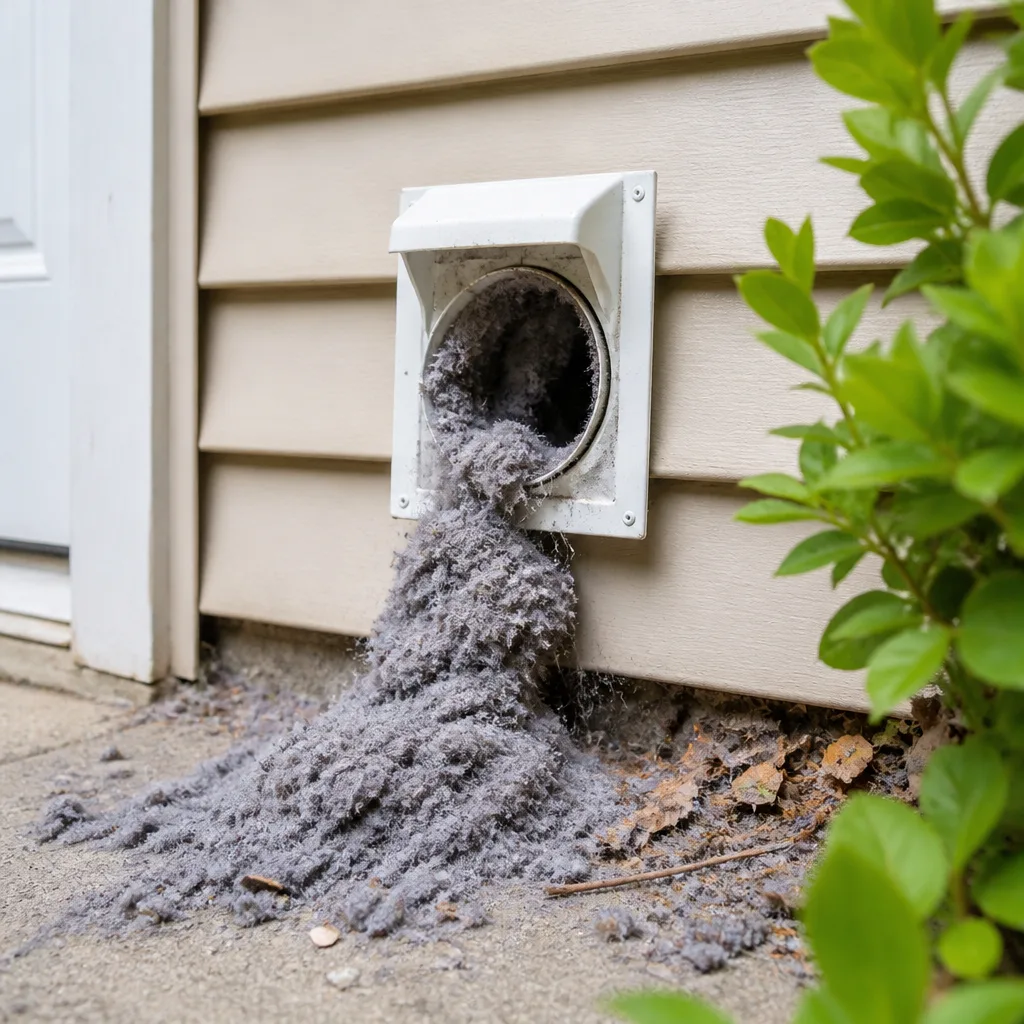 Dryer vent cleaning
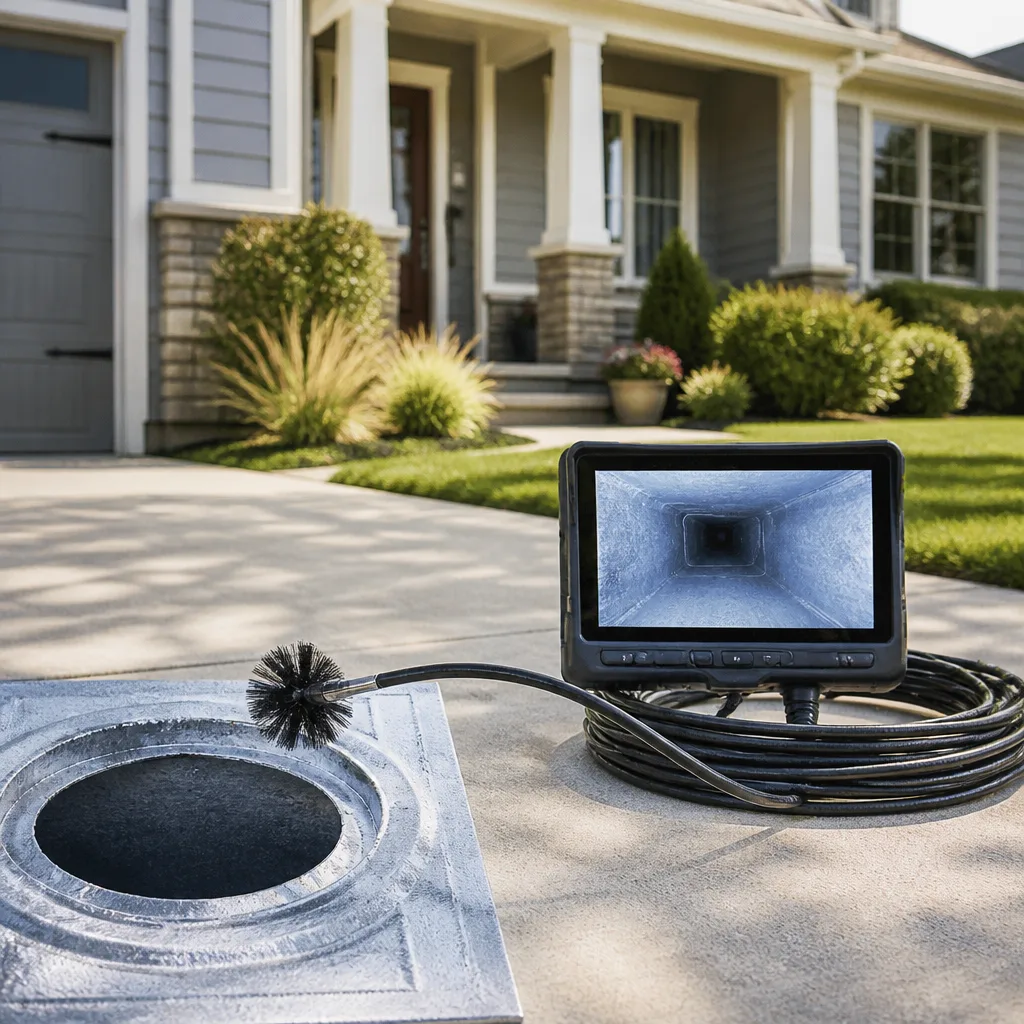 Camera inspection
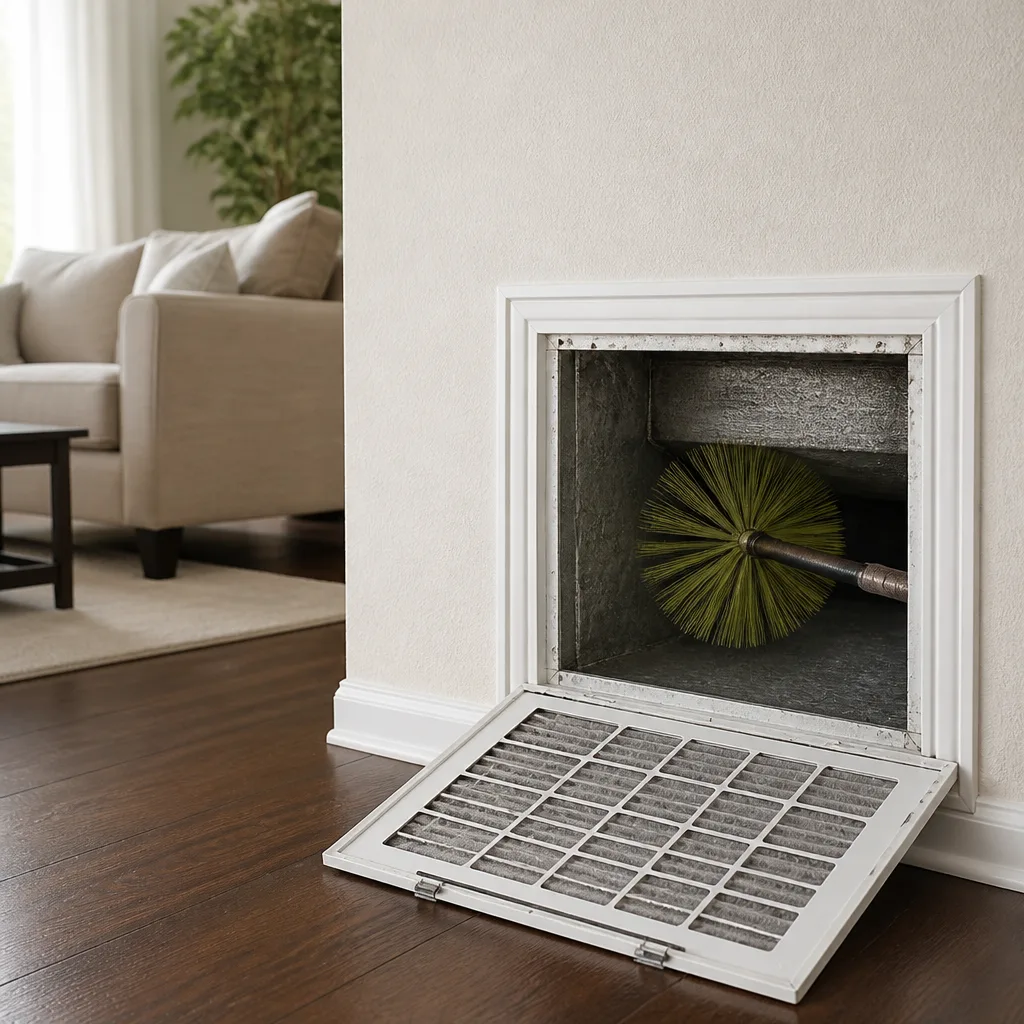 Sanitizing & deodorizing
Whole-system duct and dryer vent check with before-and-after photos - you see exactly what came out of your vents
That "$99 whole-house special" is a bait ad - the real number appears once they are in your hallway, or the "clean" is a shop-vac at the register. We photograph the inside of your ducts before and after instead.
Air Duct Cleaning Emergency Preparedness Guide for Palm Coast Homes
The most dangerous duct condition we see in Palm Coast isn’t a dirty system. It’s a clean-looking system that sat sealed in August heat for three weeks while the power was out. That’s the scenario most homeowners never plan for: the storm passes, the house is fine, nobody sees water inside, and then the air conditioner comes back on and floods every room with everything that settled and grew while the house was closed. What follows is a working preparedness plan for the air pathway in your home, furnace to vent. You’ll learn what to do before a named storm, how to restart a system without making things worse, how to document duct damage for an insurance claim in Flagler County, and when a cleaning crew is the wrong first call.
Quick Answer
To prepare your ducts for a hurricane in Palm Coast, seal the outdoor air intake and any obvious return openings before you evacuate, shut the system down at the thermostat, and leave interior doors open so air can move. After the storm, don’t restart the system until someone has inspected the duct run for disconnections, standing moisture and debris. If the home was closed and unpowered through hot weather, schedule air duct cleaning before you live in that air, and get a moisture assessment first if you smell dampness or see staining.
Styles & brands we work with
- Whole-home duct cleaning
- Dryer vent cleaning
- Camera inspection
- Sanitizing & deodorizing
Table of Contents
- Why Hurricane Season Is a Duct Problem, Not Just a Roof Problem
- Pre-Storm Shutdown Protocol for Your HVAC and Duct System
- How to Restart an HVAC System After a Storm or Extended Vacancy
- What Storm-Related Duct Damage Actually Looks Like
- Documenting Duct Damage for a Flagler County Insurance Claim
- When You Need Licensed Mold Remediation, Not Cleaning
- Dryer Vent Cleaning as Part of Storm and Fire Preparedness
- How Often Your Ducts Need Attention in Palm Coast
Why Hurricane Season Is a Duct Problem, Not Just a Roof Problem
Duct systems are designed to carry a large volume of air through a closed loop that usually stays under positive or negative pressure. A hurricane breaks that loop in two ways. Wind-driven rain and pressure changes push moisture and fine debris into the building envelope, and a power outage stops the blower, which means the loop sits stagnant for however long the grid is down. Those two things together change the air pathway from a controlled system into a passive collection point.
After Hurricane Ian swept through this part of Florida, the indoor air quality complaints that followed weren’t mainly about roofs or windows. They were about systems that restarted in homes that had been sealed up for weeks in late-summer heat, pushing settled dust, insulation fibers and mold spores out through every supply register at once. Palm Coast homes are especially exposed to that pattern because so much of the housing stock here is newer construction with tight envelopes and flex duct runs through hot attics. Tight construction is a good thing most of the year. During a long vacancy in August, it’s a chamber.
There’s a second factor homeowners underestimate. Any duct system has seams, boots at the floor or ceiling, and connections that are friction-fit or taped. Storm pressure changes and roof intrusion can loosen those connections without leaving a visible water stain inside. The gap then pulls attic air into the conditioned space. In Palm Coast, attic air during storm season is hot and humid, and pulling it into living space is exactly the condition that feeds condensation on duct surfaces and microbial growth inside the lining.
That’s the thesis of this guide: the duct system is your home’s largest indoor air surface, and after a named storm it should be treated as a suspect until it’s been inspected.
Pre-Storm Shutdown Protocol for Your HVAC and Duct System
You can meaningfully reduce contamination risk before landfall, and it takes about fifteen minutes. This isn’t about protecting the equipment for the equipment’s sake. It’s about reducing what gets pulled into the air pathway while the house is unoccupied and unpowered.
- Photograph the system as-is. Before you touch anything, take clear photos of the air handler, the return plenum, the filter slot, the outdoor unit and any exposed flex duct in the attic. These photos become your “before” set if you file a claim later.
- Change the filter. A fresh filter loads up less and holds less moisture than a saturated one. Note the size and the date on the frame.
- Seal the outdoor air intake. If your system has a fresh-air intake or an economizer damper, close and tape it from the outside. This is the single most important step. Storm-driven rain and debris enter through outdoor intakes far more often than through the ducts themselves.
- Close and tape obvious return openings in areas likely to take water, such as a garage-adjacent return or a low wall return near a sliding door. Don’t seal every register in the house; interior pressure needs somewhere to go.
- Shut the system down at the thermostat and, if you have a disconnect at the air handler, switch it off. You don’t want the system attempting to start and stop during brownouts or a generator fluctuation.
- Leave interior doors open and open closet doors. Air movement between rooms reduces the conditions that favor mold growth on surfaces while you’re away.
- Move anything stored on top of or against floor registers, and lift rugs off supply grilles in rooms with tile floors.
If your home is in a Palm Coast neighborhood that flooded in past storms, add one more step: put a moisture meter or a simple humidity data logger in the central hallway before you leave. A reading when you return tells you instantly whether the interior stayed dry or cycled through humid conditions.
One more thing worth doing before hurricane season rather than during it: a full inspection of the air pathway. A proper Duct Cleaning Palm Coast visit includes a look at the condition of the flex runs, the boots and the plenum, and it’s far easier to fix a loose connection in May than in the week after a storm when every contractor in Flagler County is booked.
How to Restart an HVAC System After a Storm or Extended Vacancy
Do not walk in after an evacuation and turn the thermostat down to 68. The first run cycle after a storm or long vacancy is when the air pathway pushes whatever collected during the outage into your living space. Inspection has to happen before the blower ever spins up.
- Check the air handler and filter slot for water. Look for standing water in the drain pan, rust lines on the cabinet, or damp insulation. If you see water inside the cabinet, stop. Water inside the air handler is an electrical hazard and a mold problem at the same time.
- Look at the visible flex duct in the attic. You’re looking for sags, crushed sections, disconnected collars and water staining on the outer jacket. A flex run that has been sitting in a puddle of condensate or roof water needs replacement, not drying.
- Smell the return. With the system off, put your face near a return grille and breathe in. A musty or earthy smell is a strong signal of microbial growth somewhere in the pathway. A dry, dusty smell is normal.
- Check the thermostat and breakers for storm-related electrical faults. If the system trips a breaker on its first attempt, don’t reset it repeatedly. Call for service.
- Set the thermostat a few degrees below room temperature, not to a low number. Running a moderate cooling cycle for twenty minutes gives you a chance to smell and hear problems before the system is fully committed.
- Walk the house and check every supply register for airflow. A room that had good airflow before the storm and has weak airflow now usually has a disconnected or crushed duct.
- Watch the drain line for the first hour. Storm debris and outages disrupt drain pans and condensate lines, and a clogged drain can cause a water problem that looks like storm damage.
If the home sat closed for a week or more with no power, treat the ducts as contaminated until proven otherwise, even if everything above looks fine. Plan on an inspection before you spend a full night in the house.
What Storm-Related Duct Damage Actually Looks Like
Duct damage from a hurricane rarely shows up as a dramatic hole. It shows up in four patterns, and you can check for all of them yourself with a flashlight and a phone camera.
- Intrusion points at the roof or ridge. Anywhere the roof sheathing or ridge vent was disturbed, water and fine debris can enter the attic and settle on top of the duct runs. Even a small intrusion washes attic insulation dust down onto the duct surface, where it gets pulled into loose joints.
- Disconnected or partially separated boots. The boot is the metal or plastic fitting where the duct connects to a floor or ceiling register. Storm pressure changes and shifting of the structure above can pull a flex run off the boot collar by an inch or more. You’ll see the gap only if you look at the boot from above in the attic.
- Moisture accumulation in flex duct sags. Flex duct has to be supported so it doesn’t sag. A sagging section traps condensation, and in a Palm Coast attic in August, a damp sag becomes a growth site within days. Staining on the outer jacket, a soft or spongy feel, or visible droplets inside the inner liner are all signs.
- Debris infiltration through foundation and wall penetrations. Wind-driven debris finds every penetration, and it gets pushed into the wall cavity where the duct run passes through. That debris then migrates into the return side on first restart.
One pattern that catches homeowners off guard: the system looks completely dry and everything reads normal, but the return plenum has been pulling attic air for weeks. That happens when the air handler cabinet or the return trunk has a seam that opened under storm pressure. The signs are higher-than-normal dust settling on horizontal surfaces and a house that feels stuffy even when the system is running. In our experience, this is the most common post-storm duct finding in Palm Coast homes that had no interior water at all.
Homes with older duct systems and older HVAC equipment are more vulnerable to these patterns, because the connections are more brittle and the duct lining is more likely to be fiberglass board that holds moisture. If your system is older and you’re already weighing replacement, the duct condition after a storm is a good reason to make that decision sooner rather than later.
Documenting Duct Damage for a Flagler County Insurance Claim
Duct damage is often missed on claims because it’s invisible. Adjusters walk the interior and the roof. They rarely crawl the attic to inspect flex runs. Your job is to create a photo and timeline record that makes the duct damage visible on paper, in the order the work happened.
- Photograph before you clean. Every insurance adjuster will tell you the same thing: the “before” set is the claim. Take wide shots showing the attic context, then close shots of the specific damage (the gap at the boot, the water stain on the jacket, the sag holding moisture).
- Photograph the required “after” set only after an adjuster has seen the “before” photos. If a contractor cleans the system first, the visible evidence is gone. This is the single biggest documentation mistake we see.
- Write a timeline. Note the date the system was shut down, the date the power went out and came back, the date you re-entered the home, and the date you first ran the system. This timeline connects the storm to the condition.
- Get a moisture reading in writing. A professional who inspects the system can note moisture readings and photographs in a written report. Attach that report to the claim.
- Keep the filter. A used filter with visible debris and staining is physical evidence. Bag it and label it with the date.
- Ask your insurer directly how they want duct damage documented. Some carriers want a specific form; some want contractor estimates; some want photos submitted through an app. Get the answer before you spend money.
- Get a written estimate from a professional that separates inspection, cleaning, repair and any remediation scope. A single lump-sum estimate with no line items is harder for an adjuster to approve.
One caution about sequencing: if there’s any chance the ducts have microbial growth, get a moisture and mold assessment before cleaning. Cleaning a system that should have been remediated can complicate the claim, because the insurer may argue the evidence was destroyed. We’ll cover that in the next section.
When You Need Licensed Mold Remediation, Not Cleaning
This is the distinction that matters most, and it’s where homeowners get steered wrong. Standard duct cleaning removes accumulated dust, debris and settled particles from the air pathway. Licensed mold remediation removes microbial growth and, just as important, addresses the moisture source that created it. If the second part doesn’t happen, the first part fails.
Here in Palm Coast, our process is contact cleaning with a Rotobrush system that physically brushes debris from duct walls and extracts it with commercial-grade equipment. That’s the right tool for debris and settled contamination. It is not a substitute for remediation, and a contractor who tells you otherwise is either misinformed or overselling.
You should insist on a mold assessment before any cleaning when you see any of these:
- Visible growth inside the air handler cabinet, on the plenum, or on the inner liner of a flex run.
- A persistent musty or earthy smell from returns or any room, especially in a home that sat closed for more than a week in summer.
- Water staining on duct jackets, insulation or ceiling drywall near a register.
- Any confirmed interior water intrusion after a storm, even a small one, in a home with fiberglass duct board.
- Anyone in the household with allergy or asthma symptoms that started or worsened after re-occupying the home.
If remediation is needed, the sequence is: identify and fix the moisture source, remediate the growth, verify by clearance, then clean. Doing it in that order costs less and produces a result that holds. Doing it backwards can mean paying for cleaning twice, and it can complicate an insurance claim because the growth evidence was removed before an adjuster saw it.
For most post-storm situations in Palm Coast, the honest answer is that a moisture inspection comes first. If it’s dry and the contamination is debris, contact cleaning with commercial equipment handles it. If it’s wet or growing, call a licensed mold remediation professional, then let us handle the cleaning once the clearance is done.
Dryer Vent Cleaning as Part of Storm and Fire Preparedness
Storm damage is the dramatic risk. Dryer vent clogs are the steady one, and they belong in the same preparedness conversation because they compound under the same conditions. The U.S. Fire Administration links thousands of residential fires annually to clogged dryer vents. In a home where the dryer vent runs long, or through a wall, or terminates under a screened enclosure, lint accumulates faster than most people expect.
Why does this belong in a hurricane guide? Because in the days after a storm, laundry volume spikes. Wet towels, storm-soaked clothes, bedding from closed-up rooms. All of that goes through the dryer in a short window, and a vent that was already half-clogged becomes a real risk. Preparing the vent before the storm means the appliance you’ll lean on hardest is safe when you need it.
Our dryer vent cleaning service uses the same commercial-grade extraction approach as our duct work, with Abatement Technologies equipment and proper containment, so the lint and debris come out of the house rather than into the laundry room. If your dryer takes longer than it used to, feels hot to the touch on top, or the exterior vent flap doesn’t open fully, those are the signs to act on now rather than during hurricane week.
While you’re at it, check your filtration. A storm-sealed house runs its HVAC more, not less, in the days that follow. Upgrading to a Honeywell or Aprilaire filter with a higher MERV rating before storm season starts means the system is better equipped to handle the extra particulate load. We can advise on that during a standard visit, and we can take care of filter upgrades and air quality add-ons while we’re on site.
How Often Your Ducts Need Attention in Palm Coast
There’s no single schedule that fits every Palm Coast home, but there’s a practical rule set. Clean on events more than on calendar dates, and inspect on a regular schedule regardless.
A home with pets, allergy or asthma sufferers, or an older HVAC system should be evaluated on a schedule the homeowner and the technician agree on, often every two to three years. A home that has just been through a named storm, a renovation, or a long vacancy should be inspected within a few weeks of re-occupancy, regardless of when it was last cleaned. Homes with heavy dust from new construction or drywall work should be seen after the work is complete and before anyone lives full-time in the finished rooms.
If your home is in Palm Coast and you’re not sure where you stand, the honest answer is that an inspection tells you more than a calendar does. A professional inspection gives you a clear picture of the air pathway from furnace to vent, and you can decide based on what’s actually there rather than on a reminder card.
We should also say this plainly: a single flat price per system, agreed before work starts, is how a duct cleaning visit should be quoted. If a company quotes by the vent, or quotes a number over the phone without looking at the system, the price at the end rarely matches the price at the start. Our estimates are free and the written estimate sets the final price.
Common Mistakes to Avoid
- Restarting the system before inspection. The first run cycle after a storm pushes everything that collected during the outage into the living space. Have someone look before you turn the thermostat down.
- Cleaning before documenting. If you intend to file an insurance claim, the “before” photos are the claim. Cleaning first destroys the evidence an adjuster needs.
- Sealing every register before you evacuate. Sealing all supply and return grilles creates pressure problems and can trap moisture. Seal the outdoor intake and the returns at risk, not the whole house.
- Using a consumer-grade shop vacuum on duct openings. A shop vac doesn’t reach the duct walls, doesn’t contain the fine particulate, and can distribute what it loosens into the room. Commercial containment exists for a reason.
- Treating a musty smell as normal. A musty or earthy smell after a storm is a signal, not a nuisance. Get a moisture and mold assessment before cleaning.
- Skipping the attic inspection because the interior looks fine. Disconnected boots and sagging flex runs are only visible from above. In Palm Coast, an interior that looks dry after a storm is not proof the air pathway is dry.
- Calling a low-bid cleaner to handle a remediation situation. A cleaning crew without remediation credentials can remove visible growth but can’t certify clearance, which leaves you holding the problem.
See the difference
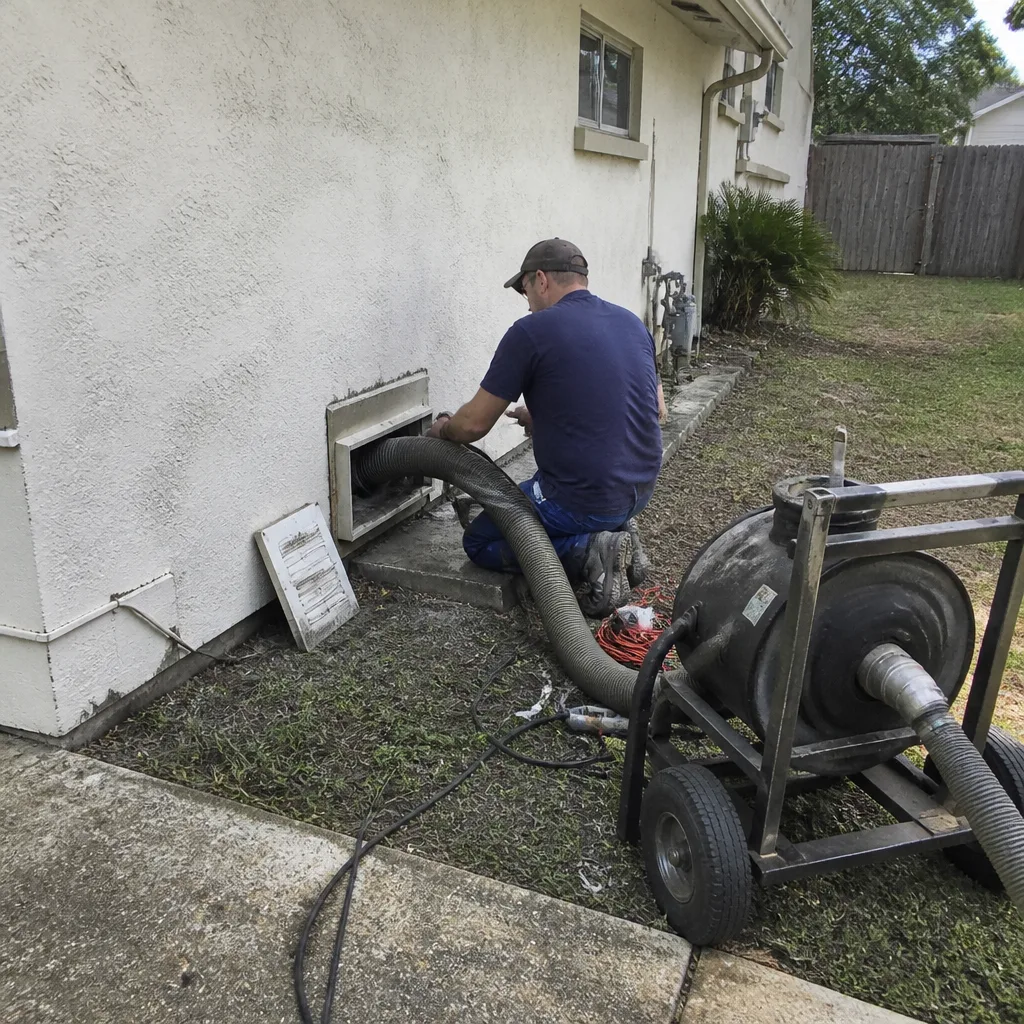 Before
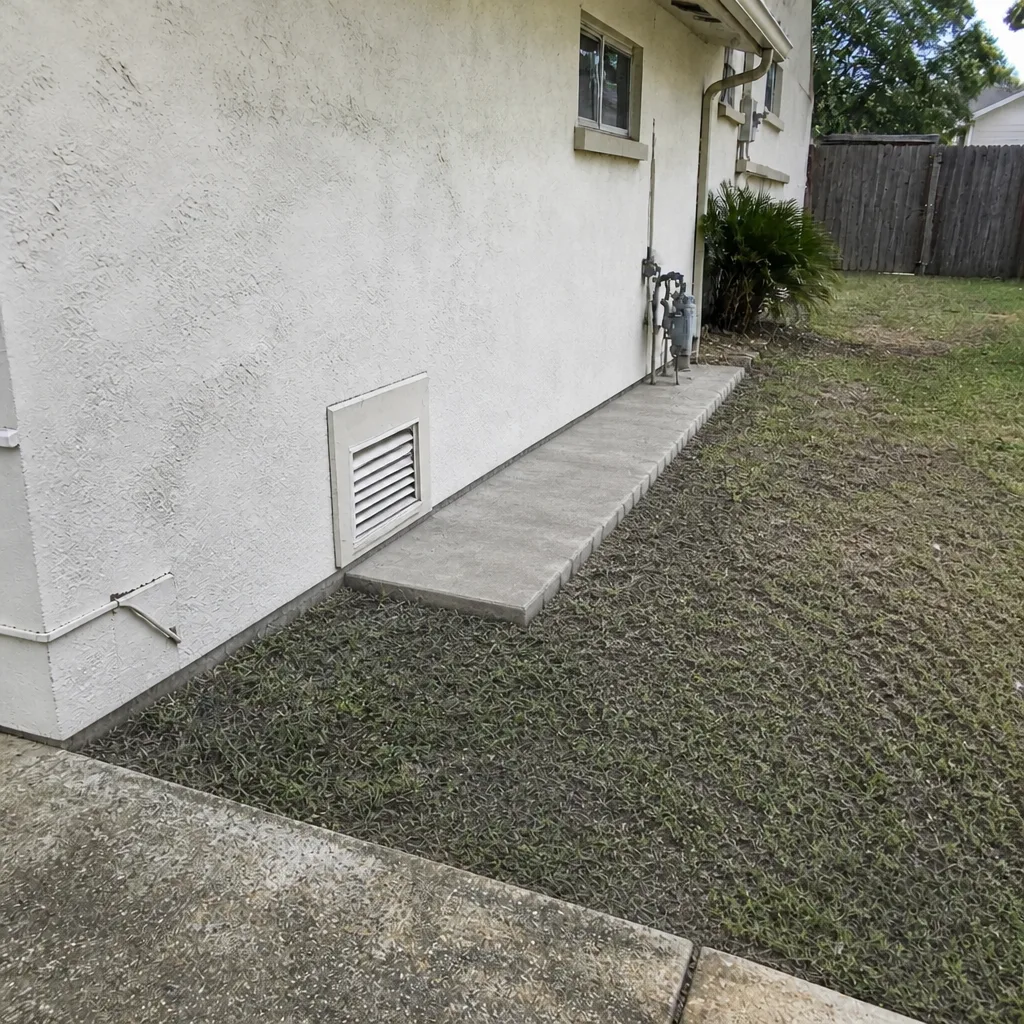 After
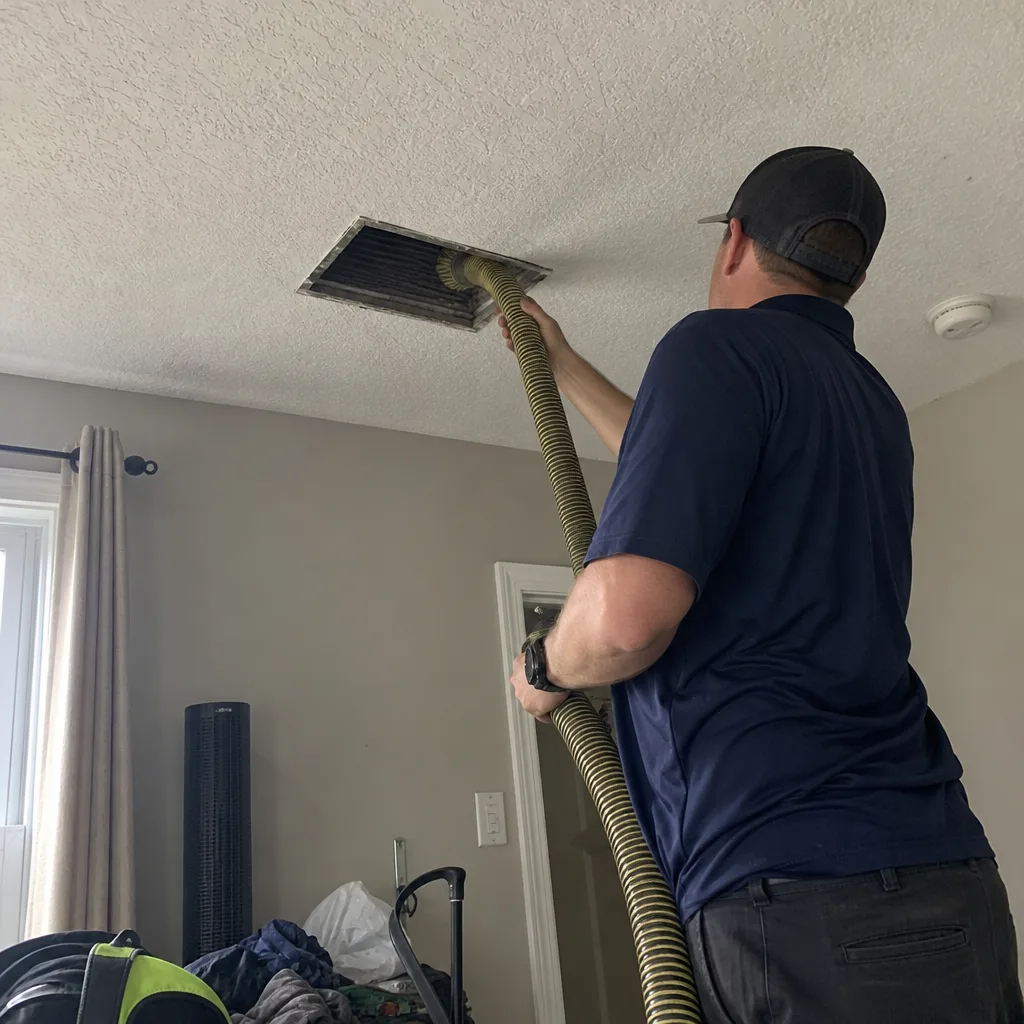 Before
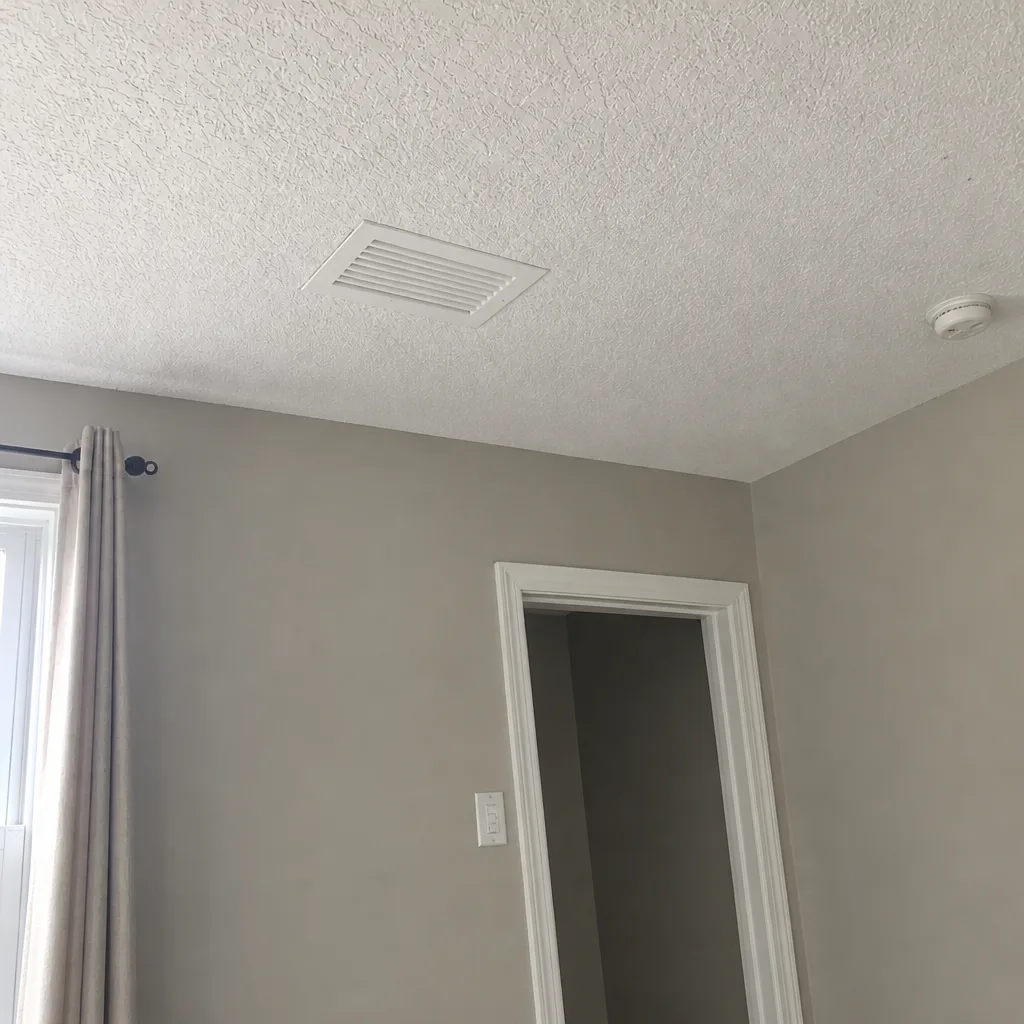 After
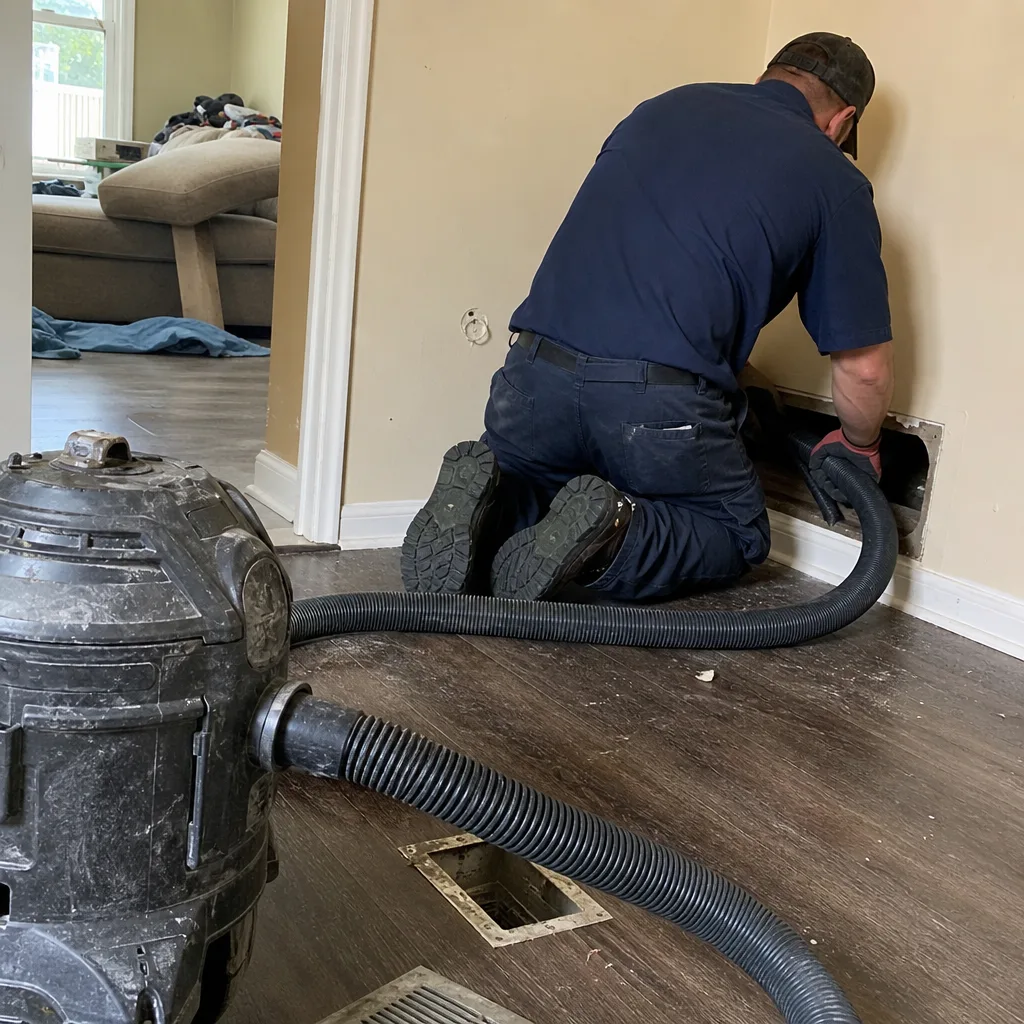 Before
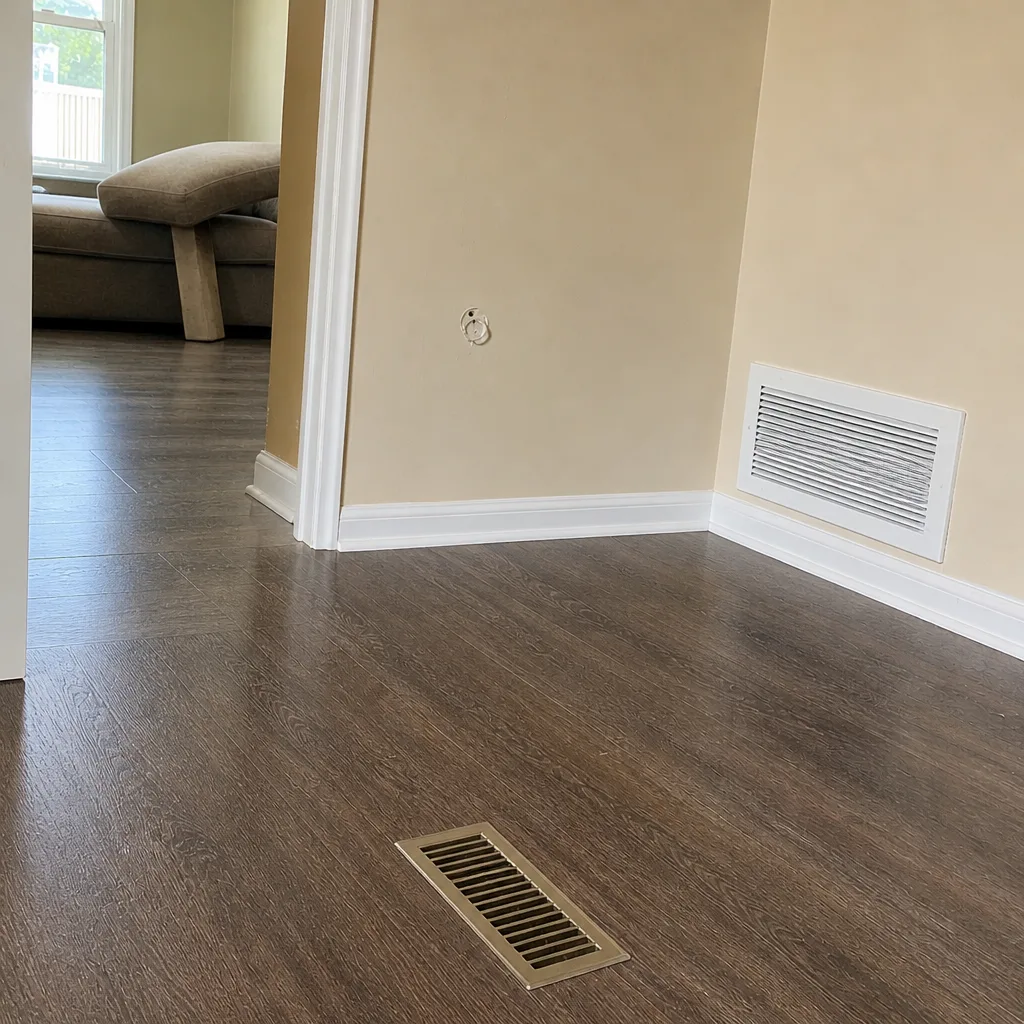 After
When to Call a Professional
Call a professional if your home was sealed and unpowered for more than a few days during storm season, if you smell mustiness from any return, if any room lost airflow after a storm, or if you see water staining on duct jackets, air handler cabinets or ceiling drywall near a register. Also call if you’re filing a claim and need a documented inspection and written estimate that separates cleaning, repair and remediation. Air duct repair is a service in its own right, and problems found during cleaning can be fixed on the same visit rather than waiting on a second contractor. Duct Cleaning Palm Coast offers free estimates in Palm Coast. Call (855) 592-3509. We answer 24/7. Fast dispatch from 7am to 7pm, Sunday through Friday, and we’re closed Saturday. Our technicians have up to 15 years of experience.
Frequently Asked Questions
Get an inspection within the first weeks after re-occupying the home, and clean as soon as the inspection confirms the system is dry and the contamination is debris. If the home sat closed and unpowered through hot weather, don’t wait for a smell to develop. A fast inspection answers the question and a documented one protects an insurance claim if damage turns out to be more than dust.
Most homes here fall into a typical estimated range, and every job is quoted as one flat price per system, agreed before the work starts, with the written estimate setting the final price. We don’t quote by the vent and we don’t quote a teaser number over the phone. Call (855) 592-3509 for an exact quote. Estimates are free.
Cheap quotes usually mean the work is limited to surface agitation with consumer-grade equipment, sometimes with a per-vent add-on that grows at the door. A contact-cleaning process using Rotobrush equipment and commercial extraction takes longer, gets the duct walls, and includes containment so the debris leaves the house. The two aren’t the same service at different prices. Call (855) 592-3509 for an exact quote. Estimates are free.
Ask for before-and-after photos of your own ducts. Any professional process produces them naturally, and any honest company should be able to show you the difference. When we finish, you see the photos of what was there and what’s there now. Call (855) 592-3509 for an exact quote. Estimates are free.
Cleaning removes contamination. Repair fixes the disconnections, crushed runs and boot gaps that let the contamination in. In most post-storm situations you need both, and it’s better to have them handled by the same company on the same visit than to schedule a second contractor. Air duct repair is a standalone service for us, so whatever the inspection finds, we can fix it. Call (855) 592-3509 for an exact quote. Estimates are free.
Coverage depends on the policy and on how the damage happened, so ask your insurer directly and get the answer in writing before you authorize any work. What you can control is the documentation: photographs taken before cleaning, a written timeline, moisture readings and a line-item estimate. That record is what makes a duct claim possible rather than disputed. Call (855) 592-3509 for an exact quote. Estimates are free.
For most households, every two to three years with pets, allergies or older equipment, and on an event basis for storms, renovations and long vacancies. The calendar matters less than what’s actually in the system. Call (855) 592-3509 for an exact quote. Estimates are free.
The Bottom Line
Storm preparedness for your ducts is mostly about sequencing. Seal the outdoor intake and shut the system down before you evacuate. Inspect before you restart. Photograph before you clean. Assess for moisture and mold before you authorize remediation. Those four decisions protect both your indoor air and your insurance claim. The work itself is straightforward when you know the order, and it’s a lot cheaper than the alternative of paying for cleaning twice. If your Palm Coast home sat through a storm or a long vacancy, get the inspection done and get a written estimate before anything else happens. Palm Coast homeowners can call us for a free estimate and a clear look at the air pathway from furnace to vent.
Written by the team at Duct Cleaning Palm Coast.