
Last updated November 15, 2026
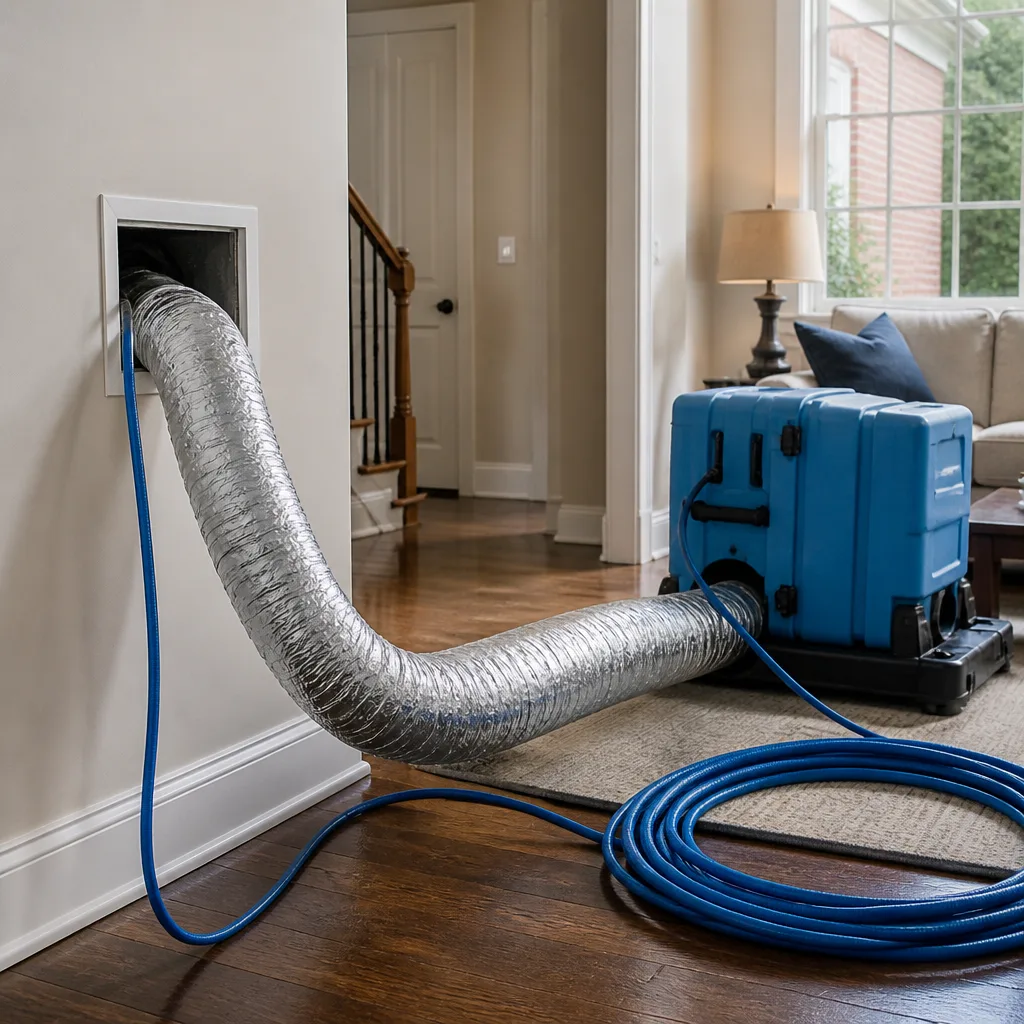 Whole-home duct cleaning
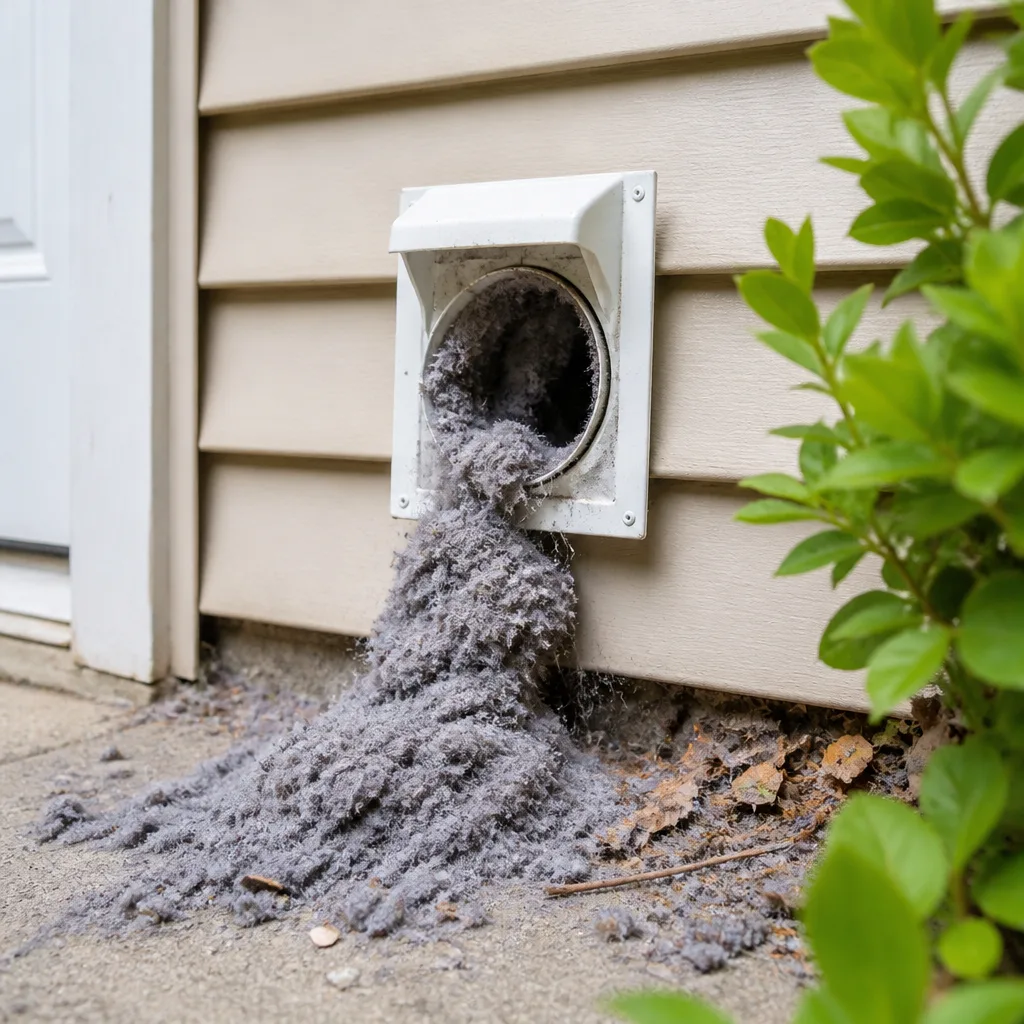 Dryer vent cleaning
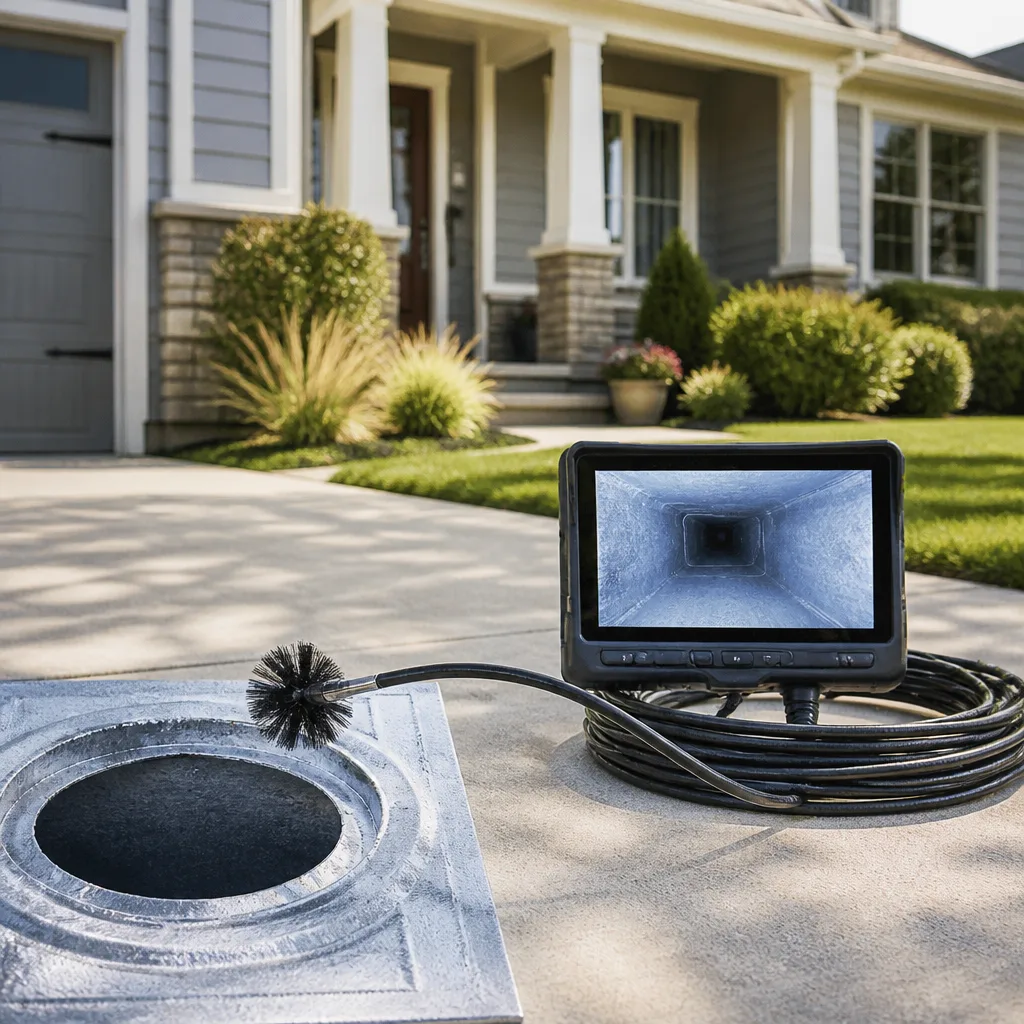 Camera inspection
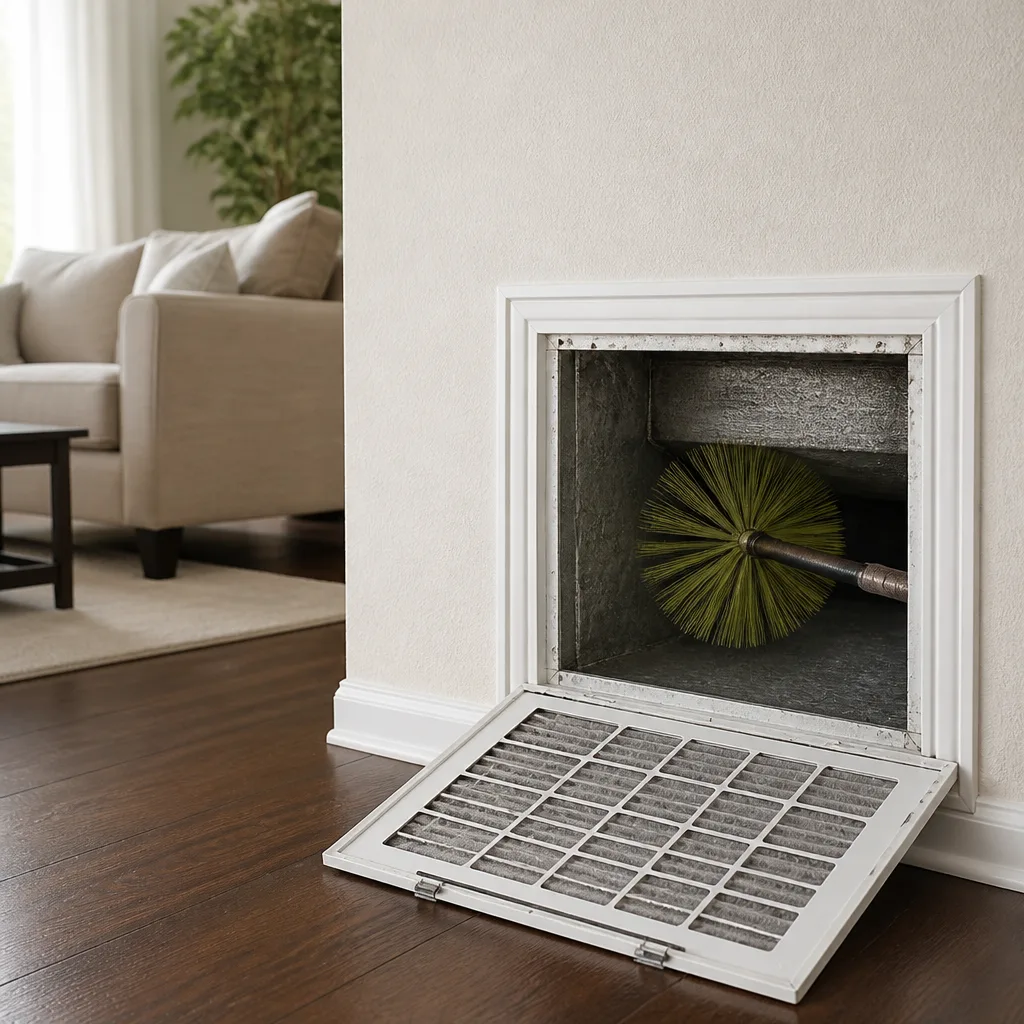 Sanitizing & deodorizing
Whole-system duct and dryer vent check with before-and-after photos - you see exactly what came out of your vents
That "$99 whole-house special" is a bait ad - the real number appears once they are in your hallway, or the "clean" is a shop-vac at the register. We photograph the inside of your ducts before and after instead.
Air Duct Cleaning Permits, Codes & Inspections in Palm Coast, FL: What You Need to Know
Most homeowners assume duct work sits outside the permit system entirely. Cleaning is maintenance and maintenance is invisible to code, so the reasoning goes. That holds right up until a crew replaces a section of flex duct, seals a plenum, or cuts a new return, at which point the work stops being maintenance and becomes mechanical alteration under Florida law. In our experience helping Palm Coast homeowners sort out what was and wasn’t permitted, the confusion almost always lives on that line. This guide draws it clearly: what Florida Building Code actually requires, which duct jobs need a permit, which don’t, and what paperwork to demand so a resale inspection doesn’t turn into a problem.
Quick Answer
Air duct cleaning itself does not require a permit in Florida. Duct repair, modification, or replacement can require a permit and generally must be done by a licensed mechanical contractor under Florida Building Code. If a “cleaning” quote includes new flex duct, plenum sealing, or return air changes, ask who holds the license and get the permit and final inspection in writing.
Styles & brands we work with
- Whole-home duct cleaning
- Dryer vent cleaning
- Camera inspection
- Sanitizing & deodorizing
Table of Contents
- Cleaning vs. repair: where the legal line sits in Palm Coast
- Florida Building Code Section 603 and mechanical work defined
- Five Palm Coast scenarios where cleaning becomes permit work
- How Flagler County amendments interact with state code
- Cleaning company vs. licensed mechanical contractor
- Documentation to request and why it protects you at resale
- What an inspection actually checks
- The questions that separate a cleaner from a contractor
Cleaning vs. repair: where the legal line sits in Palm Coast
Duct cleaning is defined by removal: brush the interior surfaces, extract the debris with negative pressure, and put the system back exactly as you found it. No component changes. No sealed joints opened and left remade differently. No new duct. That’s why it doesn’t require a permit under Florida rules – it’s maintenance, like changing a filter.
Duct repair is defined by alteration to the mechanical system. The moment a technician removes a section of flex duct and replaces it, re-seals a plenum with mastic and mesh, moves a return air grille, or reconfigures the supply trunk, the work falls into a category the state treats as mechanical construction. That category carries licensing and permitting requirements, and homeowners in Palm Coast find out about them usually at the worst possible time – during a buyer’s home inspection.
The word “repair” is often doing more work than it appears to. Reattaching a length of flex duct that sagged loose is repair. Sealing a gap at the plenum that’s been leaking conditioned air into an attic is repair. Wrapping an uninsulated trunk line in new insulation is repair. Cleaning, on the other hand, is strictly interior surface work – contact-cleaning with a brush, extraction, and putting the system back unaltered.
We walk customers through this distinction before anyone opens a panel. If we find a needed repair during cleaning, the honest answer is to say so and explain what class of work it falls into. An air duct cleaning visit that quietly starts modifying the system is a liability, not a favor.
Some contractors blur the language on purpose. “We’ll just reseal that while we’re up there” sounds helpful. In reality, resealing a plenum is mechanical alteration and, depending on the scope, may need a permit and a licensed mechanical contractor. The homeowner ends up with unpermitted work on record at the county. That’s not a hypothetical. We’ve heard of exactly this pattern flagged in Flagler County during residential inspections.
Florida Building Code Section 603 and mechanical work defined
Chapter 6 of the Florida Building Code, Mechanical, governs duct systems. Section 603 covers duct construction, installation, insulation, and sealing. It’s the section that turns “we just cleaned” into “we altered the mechanical system” when the scope crosses over.
Under Section 603 and the broader chapter, the following are treated as mechanical work rather than maintenance:
- Installation of new duct sections or complete duct replacement
- Changes to the duct layout, including added or moved supply and return grilles
- Sealing of plenums and duct joints that requires disassembly of the system
- Duct insulation upgrades to trunks in an attic or crawlspace
- Any work that changes the size or configuration of a return air pathway
None of these are things a cleaning crew should be doing under the label of cleaning. A proper contact-cleaning service uses the Rotobrush system to brush the interior walls of the ducts and pulls the loosened debris out through Abatement Technologies containment equipment. That’s the whole job. No saws, no mastic, no new flex.
The code language matters because it defines which trade can legally touch which component. Duct cleaning is a specialty service that anyone with the right equipment can perform. Duct modification is a licensed mechanical contractor’s work under Florida law. There’s no overlap. If a cleaning company starts telling you they’ll “just swap that flex section,” ask to see the license. If they don’t have one, the answer should be a firm no.
Palm Coast homes present a specific wrinkle here: many were built during rapid growth periods and have attic-mounted air handlers with duct runs that were already tight from day one. When a technician opens a panel and finds a sagging trunk line with three loose joints, the temptation to “fix it while we’re here” is real. That fix without a permit and a license puts the homeowner in the wrong, not the contractor. It’s worth being the person who says no.
Five Palm Coast scenarios where cleaning becomes permit work
Here’s where homeowners get surprised. Each of these situations starts as a cleaning request and becomes a permit-required scope the moment the checklist shifts. If any of these apply to you, the job needs a licensed mechanical contractor.
- Flex duct replacement. A torn or crushed length of flex duct discovered during cleaning has to be replaced rather than patched. That’s a mechanical installation. Permit required.
- Plenum sealing. An air handler plenum that’s leaking at the seams is common in Palm Coast homes with attic units. Sealing it properly means opening, cleaning, applying mastic and mesh, and reassembling – which is mechanical alteration.
- Return air modification. Adding a return in a hallway, moving a return from a wall to a ceiling, or upsizing a return because the system was starved – all permit territory.
- Duct layout changes. Running a new branch to a converted garage, adding a supply to a lanai that’s been enclosed, or rerouting a trunk around an obstacle.
- Insulation replacement on trunk lines. Wrapping bare metal trunk duct in the attic with new insulation is treated as an energy-related mechanical upgrade. Permit and licensed installer required in most cases.
Everything on that list is a repair, not a cleaning. That’s the whole test: is the system being cleaned, or is it being altered? Cleaning doesn’t change a single component. Repair changes the mechanical system and therefore triggers code.
Where we help most is by separating the two before the work starts. A duct cleaning in Palm Coast visit finds the loose flex duct and the leaking plenum. Then we hand off the repair scope honestly, because a licensed contractor is the right person to touch it. That’s the value of keeping the two categories clean.
How Flagler County amendments interact with state code
Florida’s building code is a statewide framework with local amendments layered underneath. For Flagler County, that means the Florida Building Code governs the technical requirements, and the Flagler County Building Department administers permits, inspections, and enforcement locally.
In practice, this matters for three reasons:
- Permit applications go to the county, not the state. A permit for duct replacement in Palm Coast is applied for through Flagler County’s building department, using the state’s code as the technical standard.
- Inspections are local. The final mechanical inspection on a permitted duct replacement is performed by a Flagler County inspector, who verifies the work matches the code sections referenced in the permit.
- Local amendments can tighten, not loosen, state requirements. When Flagler County adopts amendments, they layer on top of the state code. They don’t create exemptions for duct work; they can only add requirements.
Palm Coast is a young city by Florida standards, with most of its housing stock built in a compressed window. That means a lot of homes share the same construction-era duct design – flex runs through the attic, air handler in the garage or a closet, and returns that were sized tightly. When those homes age into needing duct work, the pattern repeats. It’s also why county inspectors have learned to look closely at duct-related paperwork during resale inspections: unpermitted modifications stand out when they don’t match the original mechanical permit history.
Our advice is always the same: if the scope is repair, get the permit through Flagler County. The cost and delay are far smaller than the resale headache of unpermitted work on record. And an inspector who sees a permit and a passing final inspection moves on to the next item.
Cleaning company vs. licensed mechanical contractor
These are two different trades, and Florida law draws a clean line between them. A duct cleaning company cleans duct interiors. A licensed mechanical contractor installs, repairs, and modifies HVAC systems and their ductwork. Where the work is cleaning, no license is required. Where the work touches the mechanical system, one absolutely is.
What to look for in each:
- Duct cleaning company: professional-grade equipment (contact brushes, high-volume negative air machines), documented before-and-after photos, transparent whole-system pricing, and a clear statement that they don’t perform mechanical repairs.
- Licensed mechanical contractor: current Florida mechanical contractor license, ability to pull permits through Flagler County, willingness to provide the permit number and Certificate of Completion, and a scope of work in writing that matches what’s being permitted.
The cross-over risk is real. Some duct cleaning outfits quietly offer “repairs” without the license. That’s the exact scenario that puts a homeowner on the hook at resale. If the quote includes the words “replace,” “install,” “modify,” “resize,” or “run new” – any of those verbs – the person doing that portion should be licensed.
We don’t do duct repair ourselves because it belongs to a different trade. What we do is clean, and we do it with equipment that lets us do the job properly: Rotobrush contact cleaning for the interior walls, Nikro extraction for the debris, and Guardsman filtration products available in the same appointment for homes that want a filter upgrade. That scope stays clean and permits stay out of it. When we find work that belongs to the mechanical side, we say so.
Documentation to request and why it protects you at resale
The single biggest surprise at resale is unpermitted duct work that a home inspector finds and a buyer’s agent flags. Sellers who can produce clean paperwork sail through. Sellers who can’t end up paying for a retroactive permit, a re-inspection, or worse – a credit to the buyer.
Here’s the documentation to collect on any duct repair, in order:
- The permit number. Get it before work starts. Any legitimate mechanical contractor can provide it once a permit is filed with Flagler County.
- The scope of work. A written description of exactly what’s being done – replaced sections, sealed plenums, duct runs added or removed.
- Photos before and after. Proper documentation of a duct repair shows the “before” condition and the finished installation. Both sides of the work, not just the after.
- The final inspection card. When Flagler County signs off on the permitted work, you get a record of passing inspection. Keep it with your home file.
- The Certificate of Completion. This is the document that follows permitted work and proves it was inspected and released. It’s the difference between “we had duct work done” and “we can prove it was permitted and passed.”
For duct cleaning, the documentation is different but still worth asking for. Before-and-after photos of the interior duct surfaces, a description of the equipment used, and a clear statement that no mechanical changes were made. That last part matters if a later inspector asks whether the cleaning altered the system. The answer, properly documented, is no.
We think of the paperwork as part of the service, not an add-on. A homeowner who has photos and a clear scope record in their home file doesn’t have to remember what was done three moves later. It’s there.
What an inspection actually checks
A mechanical inspection on a permitted duct repair verifies that the work matches the permitted scope and the Florida Building Code requirements it falls under. In Flagler County, this is a drive-by-and-look exercise, not a hazy approval. The inspector compares what was permitted against what was installed.
Common items on the checklist:
- Duct materials match what was specified in the permit (flex vs. rigid, type and rating)
- Insulation is installed to the required level on trunk lines and any runs through unconditioned space
- Joints and connections are sealed in accordance with the code’s sealing requirements
- Supports and hangers are installed at the specified spacing
- The installed layout matches the permitted drawing
- No unintended changes to the return path or supply branches
An inspection on a duct cleaning, on the other hand, doesn’t exist. Cleaning isn’t permitted and isn’t inspected. That’s why the cleaning company has to document its own work – there’s no county visit to fall back on. Photos and a written scope are the substitute. For homeowners who’ve been through a low-bid cleaning where no photos were taken, this absence of proof is exactly what makes them nervous. It’s a legitimate concern and easy to address: ask for photos before the work starts, and don’t accept vague assurances after.
We treat every cleaning as if it might need documentation later. Photos of the returns, the plenum openings, the trunk lines before and after. The file exists if you need it.
The questions that separate a cleaner from a contractor
Before you hire anyone for duct work in Palm Coast, ask these questions in this order. The answers tell you which category they’re in – and whether your job needs someone else.
- “Is anything you’re planning to do a repair or modification, or is it cleaning only?” A straight answer here is the most useful early filter. If they can’t tell you the difference, that’s the answer.
- “Are you licensed as a mechanical contractor?” If the answer is yes, ask for the license number. If the answer is no, and the work is a repair, they’re not the right company for that part of the job.
- “Will this be permitted through Flagler County?” Any duct repair requiring a permit should get one. A contractor who says “we don’t bother with permits for that” is telling you something useful about how they operate.
- “Will I get a Certificate of Completion?” Only permitted work produces one. If the answer is no and the scope is repair, the work shouldn’t proceed.
- “What equipment do you use?” For cleaning, expect contact brushes and high-volume extraction – Rotobrush and Nikro or Abatement Technologies are the standards we work to. For repair, expect standard mechanical installation practices referenced in the permit.
- “Can I see before-and-after photos?” Any legitimate operator should produce these as a matter of course, not on request. It’s how a cleaning is documented.
The questions aren’t adversarial. They’re how an informed homeowner separates a professional operation from someone who’ll hand you a low quote and a surprise at resale. We like being asked. It makes the conversation shorter and the scope clearer.
Common Mistakes to Avoid
- Assuming “cleaning” covers repairs. A cleaning quote is for cleaning. If the technician starts swapping flex duct or resealing a plenum mid-job, the scope has moved into permit territory without anyone saying so.
- Accepting “we’ll seal that while we’re up there” as a favor. Plenum sealing is mechanical alteration. It needs a licensed contractor and, in most cases, a permit through Flagler County. A favor that creates unpermitted work on your record isn’t a favor.
- Not asking for the license before work starts. The time to verify licensing is before anyone opens a panel, not after. Ask for the license number, then check it against the state’s records.
- Skipping the Certificate of Completion. It’s the document that proves permitted work was inspected and released. Without it, you can’t demonstrate that duct work at your Palm Coast home was properly done.
- Letting a low bid drive the decision. Bait-and-switch pricing in duct cleaning is common, and one way the price stays low is by omitting permits and licenses on repairs. You pay the difference later.
- Not documenting cleaning. If a future inspector asks whether the duct cleaning altered the mechanical system, before-and-after photos and a written scope are your proof that it didn’t.
- Assuming a big brand on the van means a license. Van graphics and yard signs say nothing about licensure. The license number is the only reliable check, and it’s free to verify.
See the difference
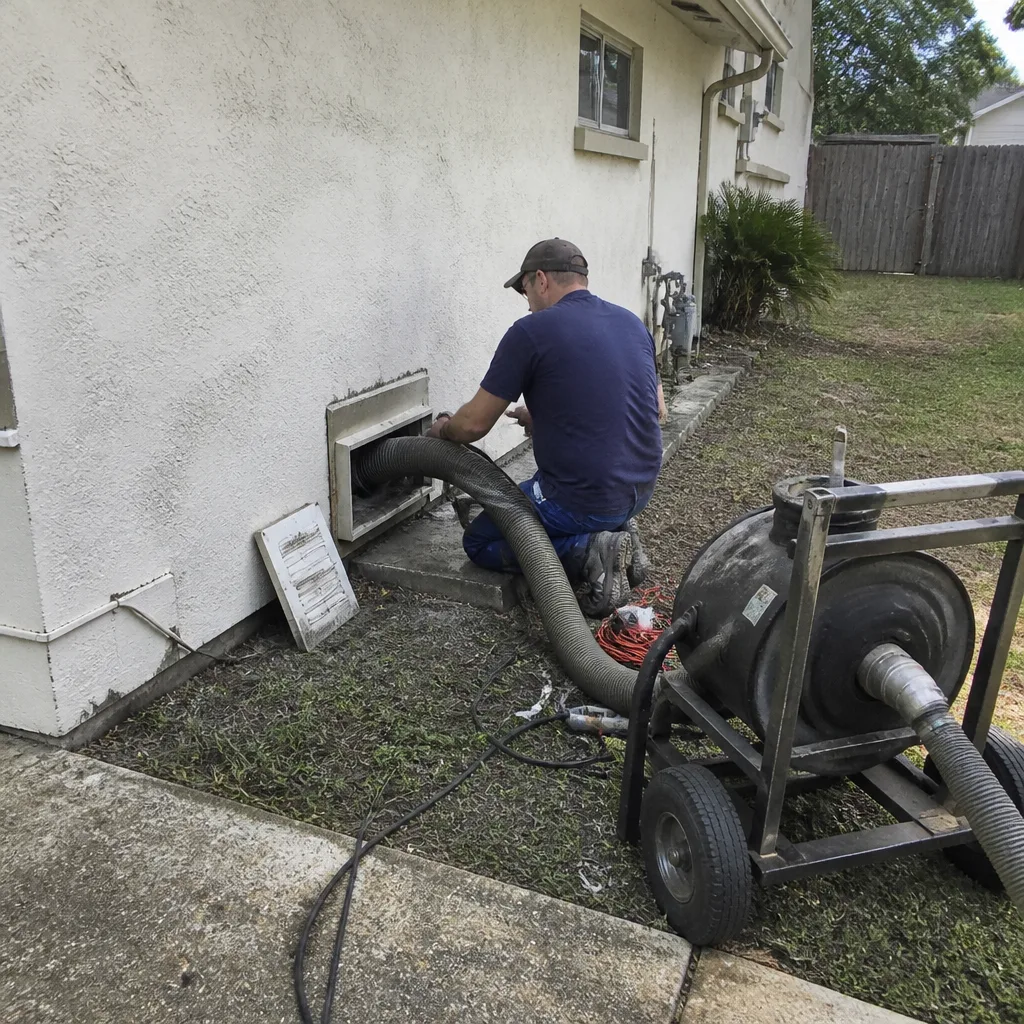 Before
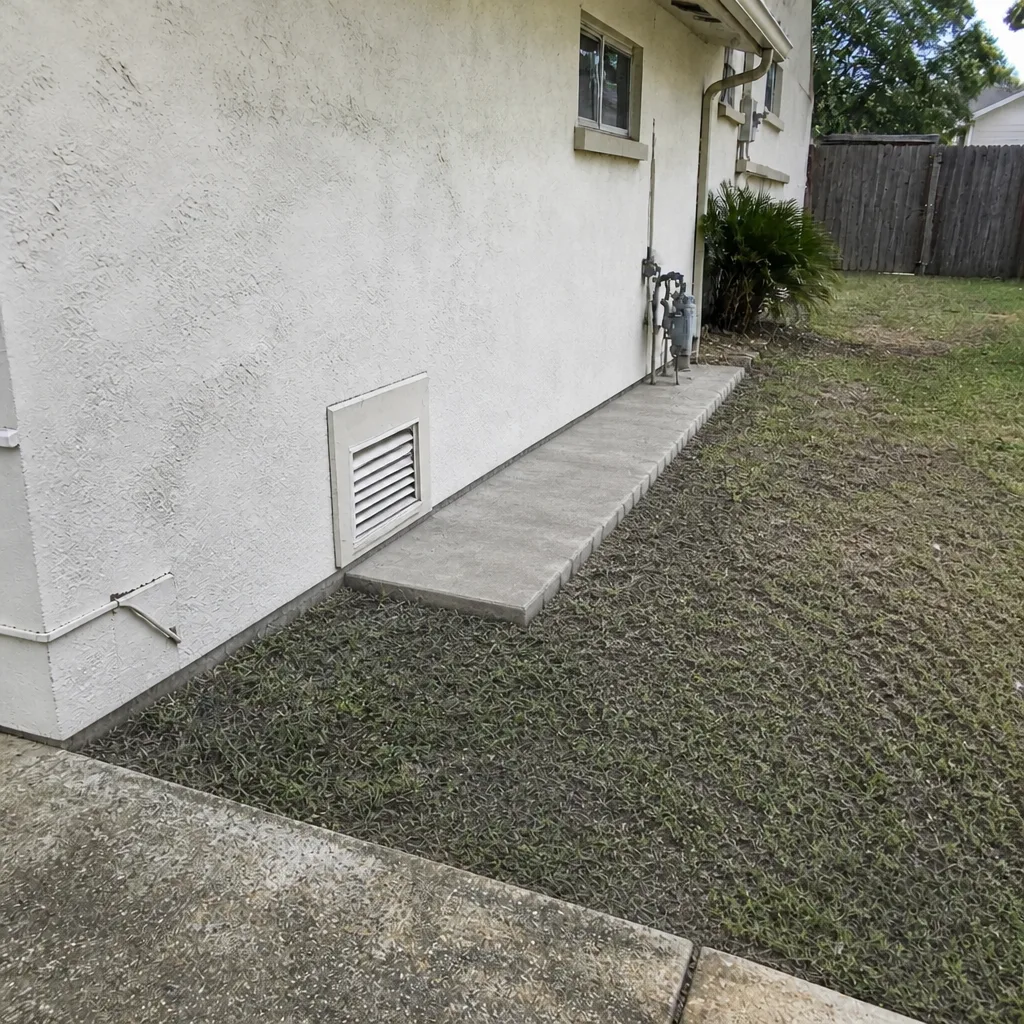 After
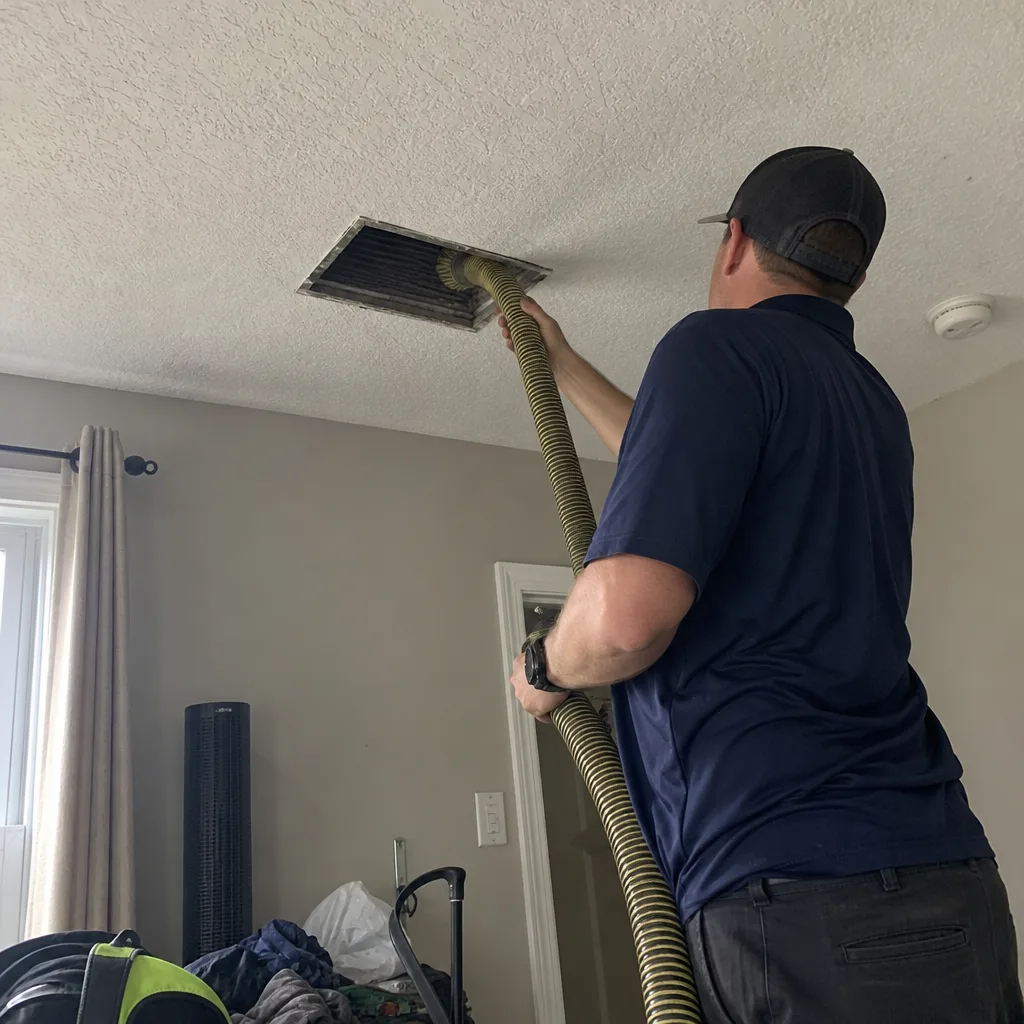 Before
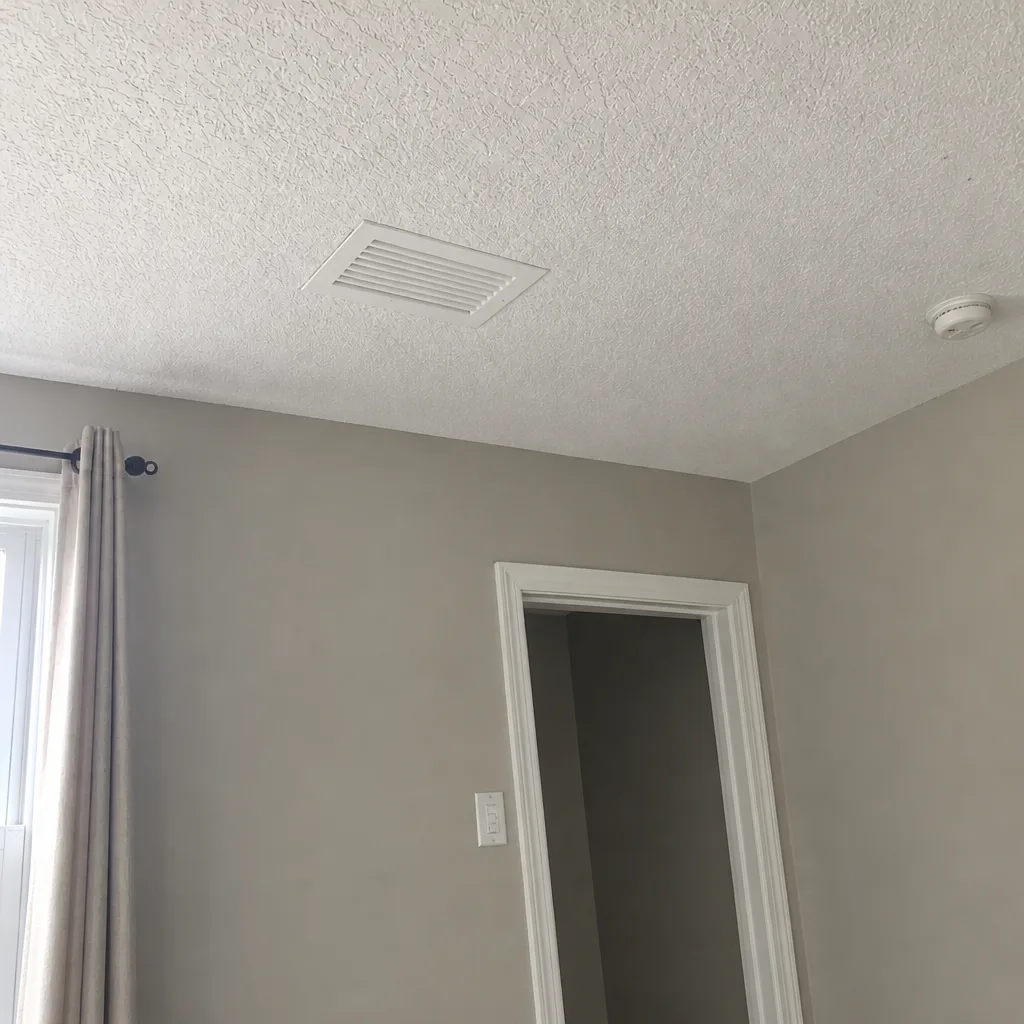 After
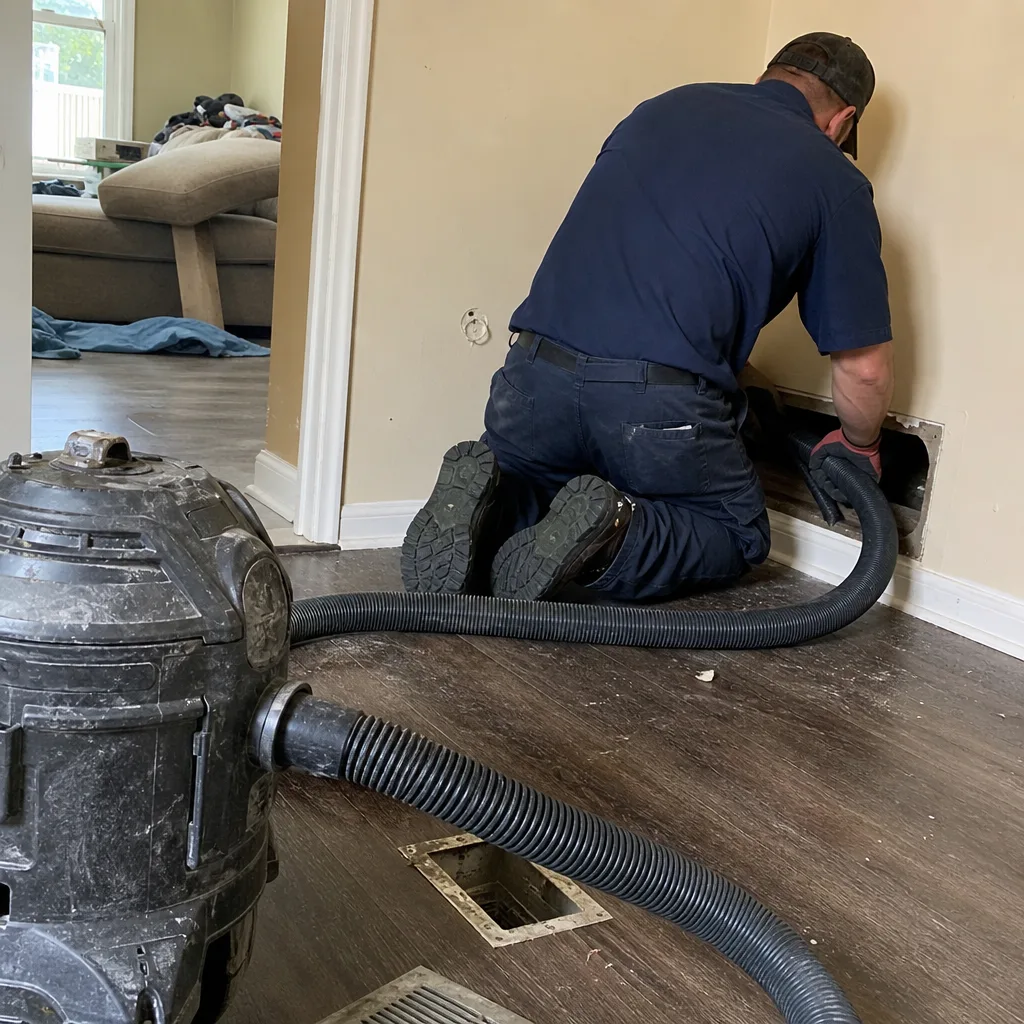 Before
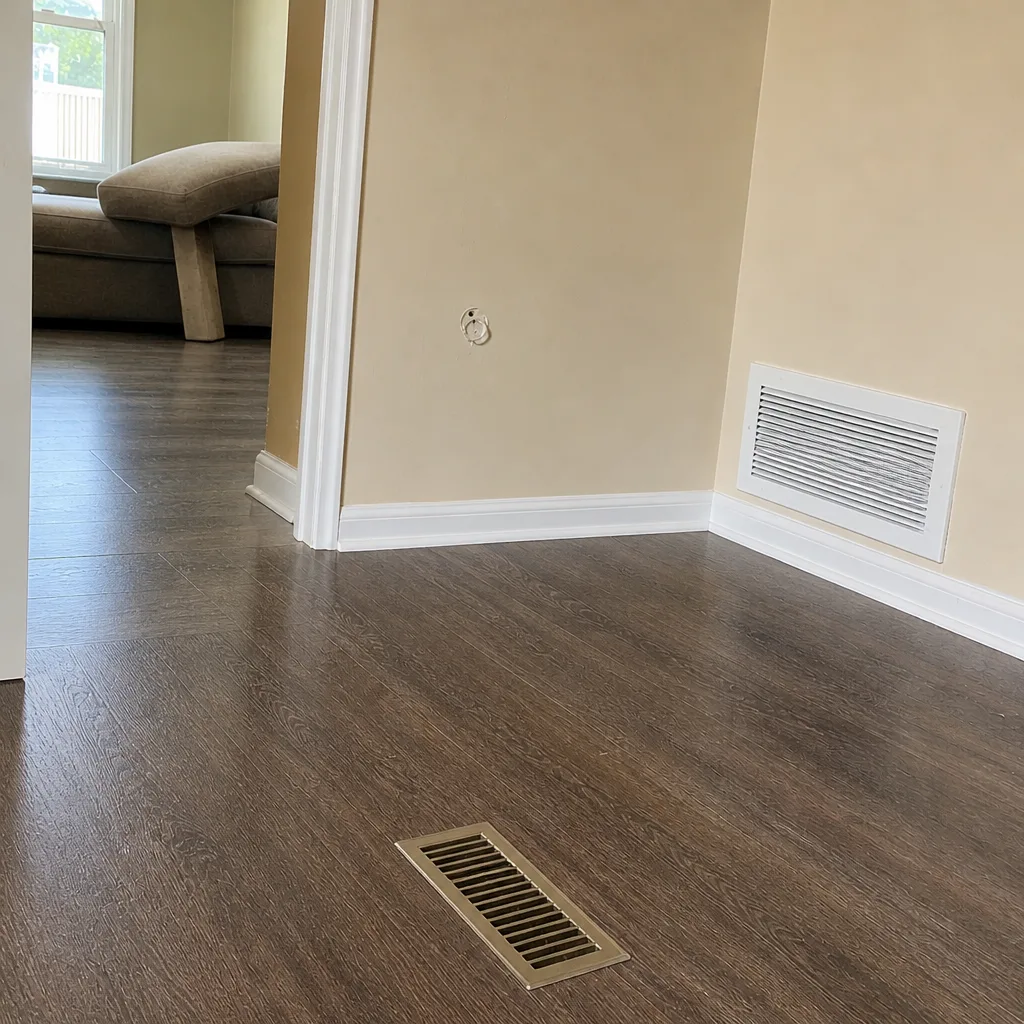 After
When to Call a Professional
Call a professional if you’re seeing any of these: visible dust streaking around supply grilles, musty odors when the system starts up, obvious sagging or disconnection in attic duct runs, a rise in allergy symptoms since a renovation, or a dryer that takes more than one cycle to dry a load. Each of those points to a duct system that needs attention, and the dryer signal is a fire-safety concern worth taking seriously. If a previous contractor’s work is in question, or you’re preparing to sell a Palm Coast home and want the duct system documented, a professional assessment gives you the record you’ll want.
Duct Cleaning Palm Coast offers free estimates in Palm Coast – call (855) 592-3509. We answer 24/7. Fast dispatch from 7am to 7pm, Sunday through Friday, and closed Saturday. When a call comes in outside dispatch hours, we book it into the next opening. Our technicians have up to 15 years of experience, and we keep our scope honest: cleaning where cleaning applies, and a straight referral to a licensed mechanical contractor where it doesn’t. If you’re unsure where your job sits, that’s the conversation to have first.
Frequently Asked Questions
No. Duct cleaning does not require a permit in Florida because it’s classified as maintenance, not mechanical work. The permit requirement only appears when the scope includes repair, replacement, or modification of the duct system – replacing flex duct, sealing a plenum, moving a return, or changing the layout.
Usually yes. Section 603 of the Florida Building Code, Mechanical, governs duct installation and sealing, and duct repair falls under that chapter. If a repair involves changing or replacing a duct component, expect a permit through Flagler County and a licensed mechanical contractor performing the work.
Ask for the mechanical contractor license number, then verify it through the state’s licensing database before work begins. A duct cleaning company doesn’t need a mechanical license to clean, but a repair that alters the system does. If the scope includes repair and the answer is “we’re not licensed for that,” the work shouldn’t proceed.
Flagler County inspectors can flag unpermitted mechanical work during a buyer’s home inspection, and the seller is typically the one who has to resolve it. That often means a retroactive permit, a re-inspection, or a credit to the buyer. Collecting a permit number and Certificate of Completion during the original repair prevents the problem entirely.
Not the same, but it’s worth documenting. For cleaning, ask for before-and-after photos of the duct interior, a written description of the equipment used, and a statement that no mechanical changes were made. That file answers any question a future inspector or buyer might raise about what the cleaning involved.
Only if the company holds a Florida mechanical contractor license. Otherwise the two services belong to different trades: cleaning is a specialty service, and duct repair is licensed mechanical work. At Duct Cleaning Palm Coast, we handle the cleaning and refer repair scopes to a licensed contractor – that keeps the work honest and your paperwork clean.
The Bottom Line
Duct cleaning doesn’t need a permit, and duct repair usually does. The distinction is straightforward but often blurred in the field, and it’s exactly where Palm Coast homeowners get caught out at resale. Keep three rules in mind: verify license status before any repair, ask for the Flagler County permit number and Certificate of Completion if the scope is repair, and document every cleaning with photos and a written scope. If nobody can tell you which side of the line your job is on, ask before work starts. Call (855) 592-3509 for a free estimate. We answer 24/7. Fast dispatch from 7am to 7pm, Sunday through Friday, and closed Saturday. Cleaning and dryer vent cleaning are what we do; when repair is needed, we’ll tell you honestly and point you to the right licensed trade.
Written by the team at Duct Cleaning Palm Coast.