
Last updated November 15, 2026
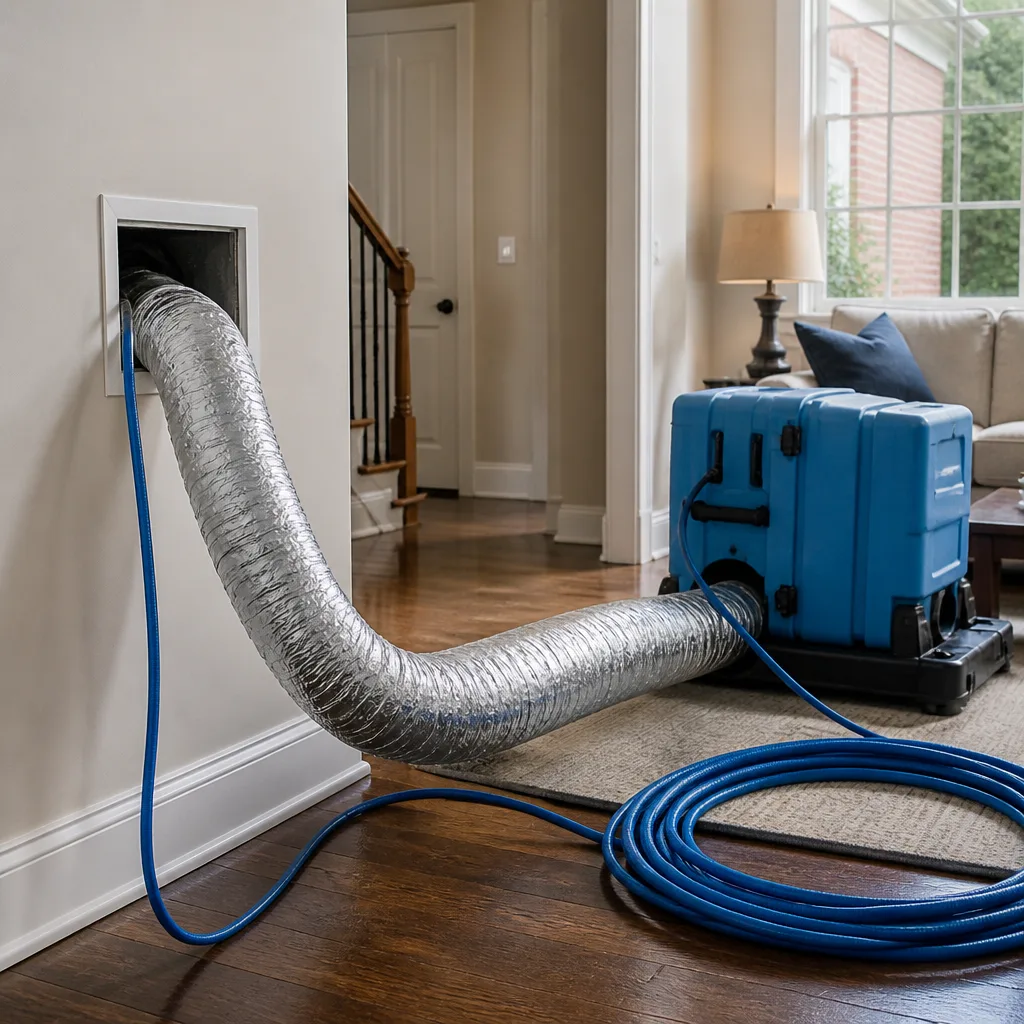 Whole-home duct cleaning
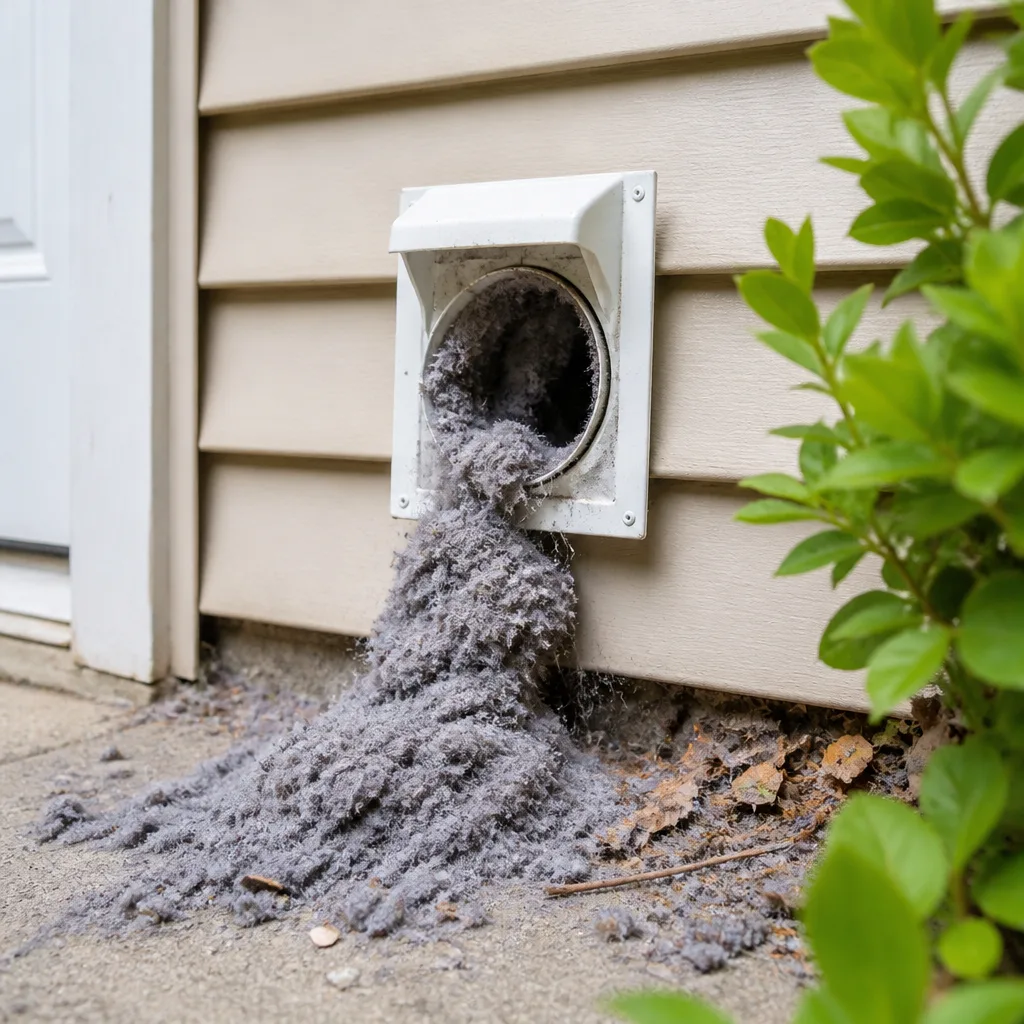 Dryer vent cleaning
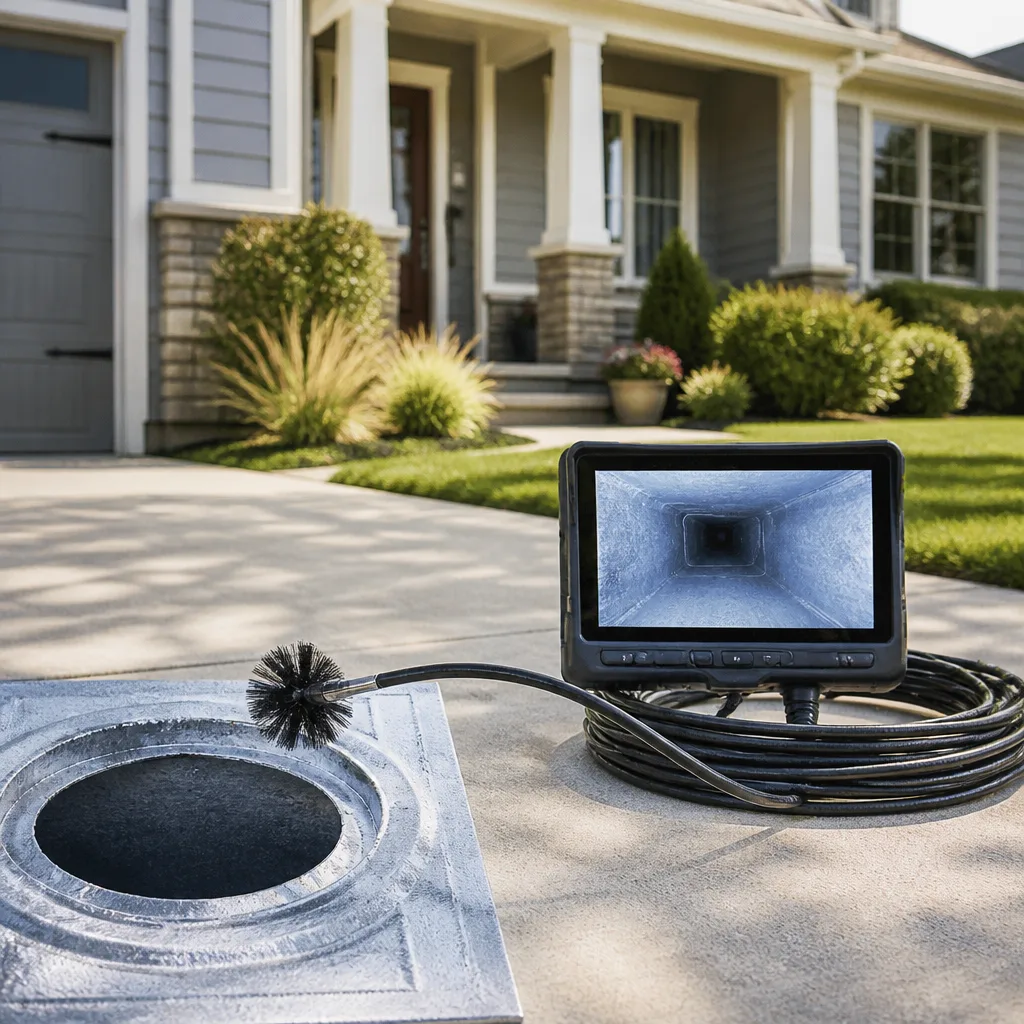 Camera inspection
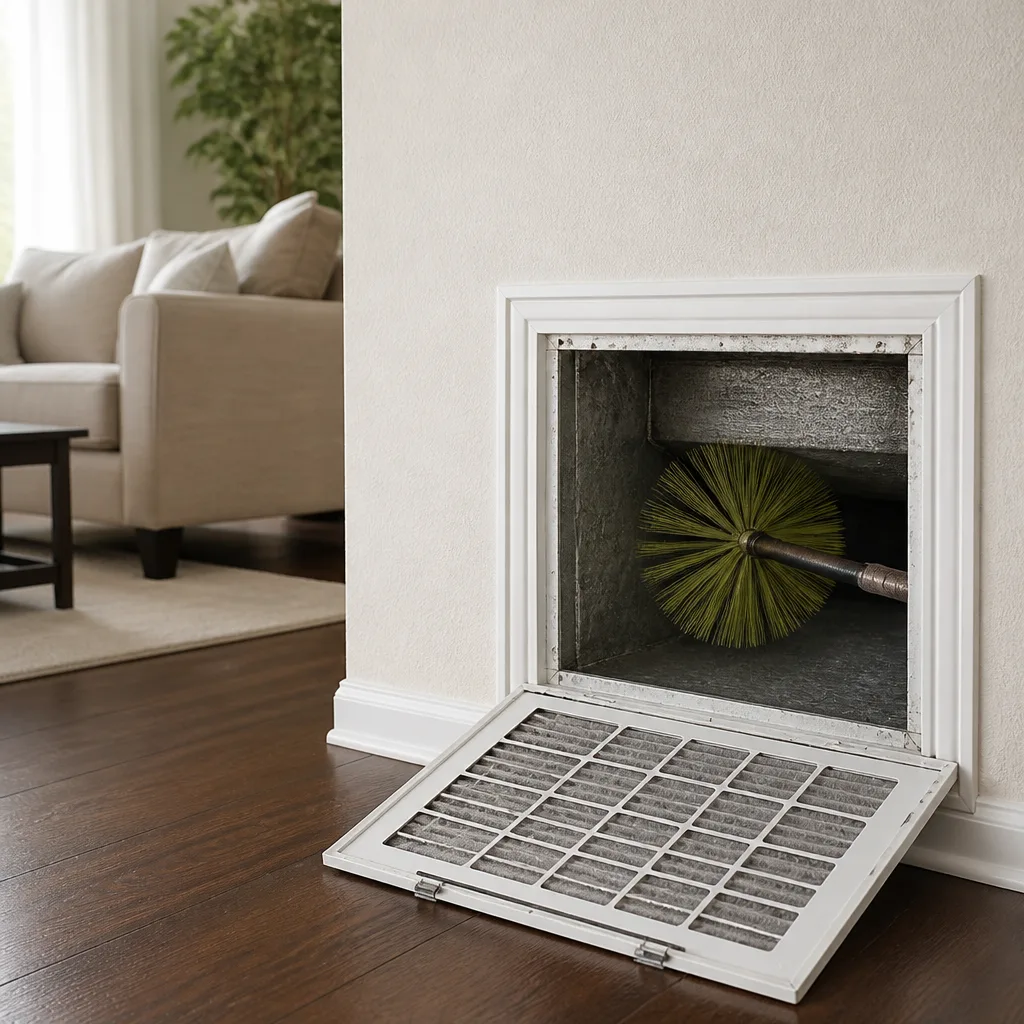 Sanitizing & deodorizing
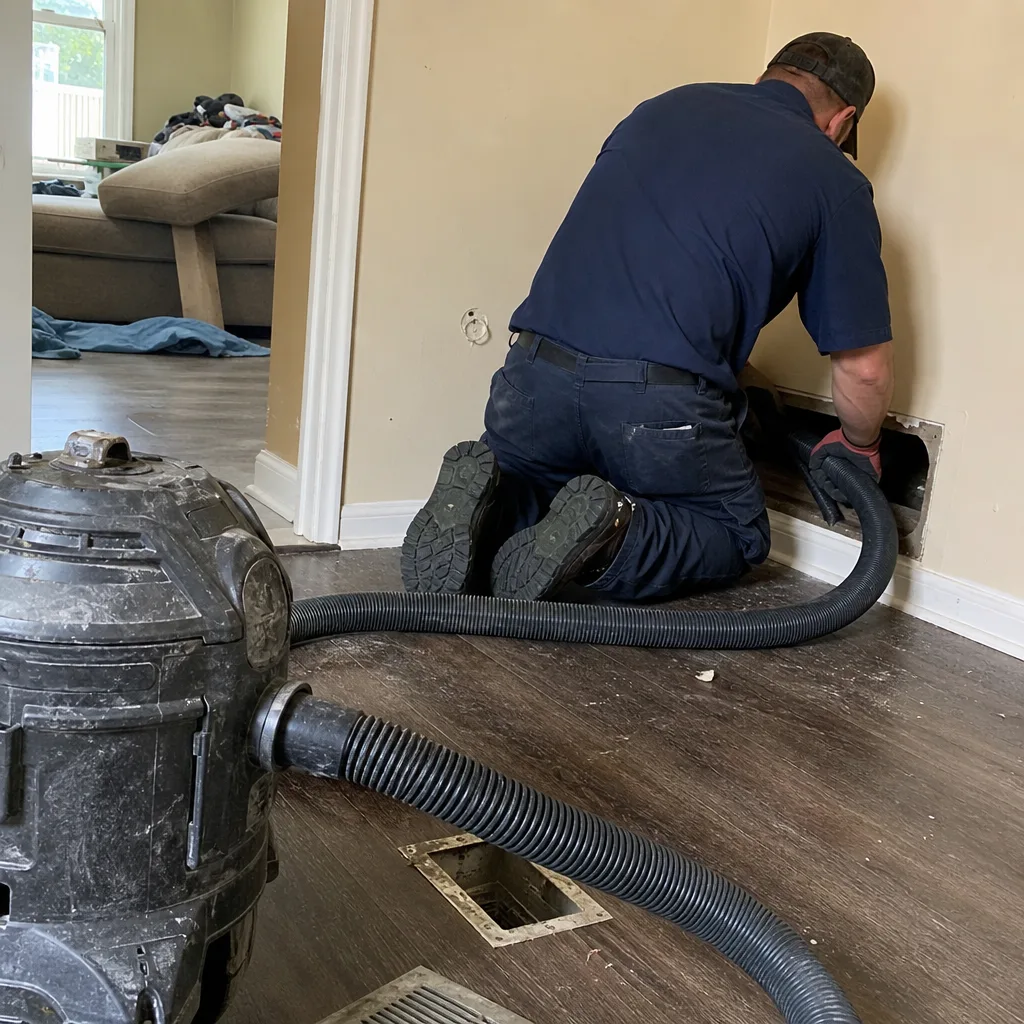
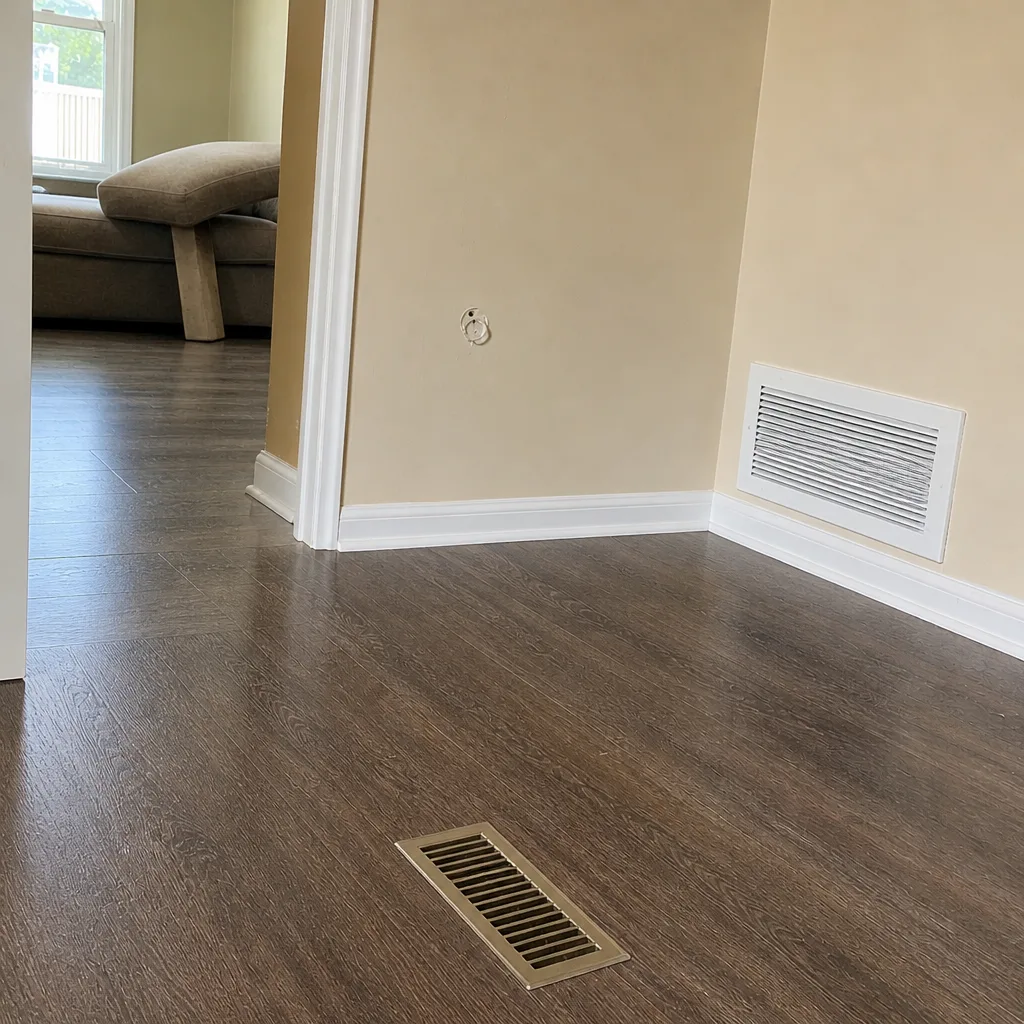
Whole-system duct and dryer vent check with before-and-after photos - you see exactly what came out of your vents
That "$99 whole-house special" is a bait ad - the real number appears once they are in your hallway, or the "clean" is a shop-vac at the register. We photograph the inside of your ducts before and after instead.
Air Duct Cleaning Troubleshooting in Palm Coast: Common Problems and How to Fix Them
If your ducts were cleaned six months ago and dust is already coating your furniture again, the cleaning either didn’t reach the contamination zone or your system has a breach. It’s not a dirty filter. Most duct “problems” homeowners try to fix on their own, swapping filters, wiping vents, running the fan continuously, are surface treatments that leave the root cause untouched inside the duct system. This guide teaches you to read the actual symptom, whether that’s an airflow drop, an odor pattern, or how fast dust reappears, and trace it to its source before you spend a dollar. We’ll cover how to tell a contamination problem from a mechanical one, why humidity in Palm Coast makes duct work trickier than most homeowners realize, and what a real professional cleaning actually looks like versus a shop-vac job.
Quick Answer
Most recurring duct problems in Palm Coast trace back to one of three root causes: debris that was agitated but not actually removed from the duct walls, a mechanical breach like a disconnected or collapsed flex duct, or moisture feeding microbial regrowth in a humid climate. Filter swaps and vent wiping don’t fix any of these. The fix depends on reading your symptoms correctly, then choosing between a proper contact-cleaning process and a duct repair.
Styles & brands we work with
- Whole-home duct cleaning
- Dryer vent cleaning
- Camera inspection
- Sanitizing & deodorizing
Table of Contents
- How to Tell a Contamination Problem From a Mechanical One
- Why Musty Smell After Cleaning Usually Isn’t a Failed Duct Job
- The Palm Coast Humidity Problem: Why Regrowth Happens Fast
- How to Test for a Duct Breach With the Tissue-Paper Method
- What Rotobrush and Nikro Systems Do That a Shop-Vac Can’t
- Reading Your Dust Reappearance Rate
- Filter Upgrades That Actually Change Outcomes
- When to Call a Professional
How to Tell a Contamination Problem From a Mechanical One
The single most useful troubleshooting skill is separating a contamination problem from a mechanical one. They look similar from your living room, but they have completely different fixes, and treating one as the other wastes money. Contamination means the duct interior has accumulated debris, dust, or biological growth. Mechanical means the duct system has a physical flaw: a disconnected joint, a crushed section, a collapsed flex run, or a damper stuck shut.
Airflow clues
Mechanical problems usually announce themselves through uneven airflow. If one room never gets enough air while others are strong, that’s a distribution issue, not a dirt issue. A collapsed flex duct in a crawlspace or attic run will strangle airflow to exactly the registers downstream of it. Contamination, by contrast, tends to reduce airflow gradually and evenly across the whole system, and homeowners often describe it as “the system just feels weaker than it used to.”
Odor clues
Contamination typically produces a smell that gets stronger when the system starts up after sitting idle. Mechanical problems rarely produce odor on their own, though a disconnected duct pulling air from an attic or crawlspace can introduce musty outdoor smells into your supply air. If the smell follows the fan and fades when the system has run a while, suspect contamination or coil moisture. If the smell is constant and localized to certain rooms, suspect a breach pulling from unconditioned space.
Dust pattern clues
Contamination spreads dust evenly and gradually. A breach tends to concentrate dust near the registers served by the compromised run, and you’ll often see it on horizontal surfaces below those vents first. Knowing the difference tells you whether to schedule air duct cleaning or to look for a repair issue.
Why Musty Smell After Cleaning Usually Isn’t a Failed Duct Job
A musty smell that returns within weeks of a cleaning almost always traces to the evaporator coil or the drain pan, not the ducts. This is the most common misunderstanding we run into. Homeowners pay for a duct cleaning, the smell improves for a few days, then returns, and they assume the cleaner did a bad job. In reality, the ducts were one part of the problem. The coil and pan sat wet and undisturbed the whole time.
What’s actually happening
Your evaporator coil condenses moisture out of the air all summer, and that moisture has to drain away through the pan and condensate line. When the pan holds standing water or the line clogs, that reservoir becomes a biological growth site. The air handler then pushes air across it every time the system runs, distributing the smell through every duct in the house. Cleaning the ducts without addressing the coil is like mopping a floor with a running faucet above it.
How to confirm it
- Smell the air coming out of a supply register with the system running. A musty note that’s stronger at the supply than at the return points toward the air handler.
- Check whether the smell is worst in the first minutes after the system starts following a long off cycle.
- Ask whether the coil and drain pan were inspected during your last cleaning. If the answer is “we only did the ducts,” that’s your likely culprit.
- Look for water stains or standing moisture near the indoor unit.
If the coil and pan were never inspected, a proper duct cleaning service in Palm Coast should include a look at the whole air pathway, not just the runs. When we handle this, we check the coil area as part of the walkthrough so the smell source gets identified, not just masked.
The Palm Coast Humidity Problem: Why Regrowth Happens Fast
Living in Palm Coast means high humidity that never fully takes a break. That matters for duct health in a very specific way: moisture accelerates microbial regrowth on duct surfaces, especially in flex duct. A cleaning that removes debris but leaves the system’s moisture problem in place is a short-term fix in this climate.
Why flex duct is vulnerable
Flex duct has a ribbed interior, and those ribs create countless small ledges where fine dust settles and holds moisture. In a drier climate that dust stays relatively inert. In Palm Coast’s humid air, it becomes a growth medium. Every time the system cycles and condensation forms or re-evaporates, the conditions renew.
What actually changes the outcome
- Removing debris fully, not just agitating it. Contact cleaning that brushes the duct walls and extracts the loosened material leaves less for moisture to feed on.
- Controlling moisture at the source. A drain pan that doesn’t hold water and a coil that drains freely are the real moisture control. This is why the earlier section on the coil matters for regrowth too.
- Considering encapsulation where appropriate. Some duct interiors benefit from a protective coating that seals the surface, though this is a case-by-case decision made after inspection, not a routine add-on.
- Filtering appropriately. A filter that’s too restrictive starves airflow and lets the coil run wetter. A filter that’s too loose passes the dust that feeds the problem.
If you’re searching for Palm Coast duct help because dust or smell keeps returning within a year, the humidity factor is a likely reason. It’s also a reason to be skeptical of any quote that promises a one-time fix with no mention of moisture or surface condition.
How to Test for a Duct Breach With the Tissue-Paper Method
Before you call anyone, you can run a simple test to see whether your duct system has a breach. The tissue-paper method won’t find the exact location of a disconnected joint, but it tells you whether one is likely, which changes the conversation you have when you call.
The test
- Turn the system fan to “on” so air moves continuously through the ducts.
- Hold a single square of lightweight tissue paper close to, but not touching, each supply register.
- Observe how the tissue behaves. At a healthy register it should flutter strongly and consistently.
- Note any registers where the tissue barely moves or moves intermittently compared to the others.
- Repeat at the return registers, which should pull the tissue toward the grille firmly.
- Record which rooms or runs perform noticeably worse than the rest.
What the results mean
If every register flutters in a similar way, your problem is more likely general contamination or filter restriction than a breach. If a specific group of registers fails consistently, that points to a mechanical issue in the runs feeding them. A return that barely pulls is a strong sign of a leak on the return side, which is often the most consequential type because it can draw in attic or crawlspace air.
What the test can’t tell you
The tissue test doesn’t pinpoint a location, doesn’t tell you whether the issue is a collapsed run versus a disconnected joint, and can’t see inside a duct. It’s a triage tool, not a diagnosis. It tells you to ask for a proper duct inspection, and whether to expect a cleaning, a repair, or both when the technician arrives. Some issues are only visible with the system opened up and a camera or airflow measurement in hand. Others aren’t safe or useful for a homeowner to chase on their own, and some simply won’t show up from a casual glance at your registers. Bring the test results to the appointment and you’ll save diagnostic time.
What Rotobrush and Nikro Systems Do That a Shop-Vac Can’t
The equipment used on your ducts is the single biggest factor in whether the work actually lasts. A shop-vac and a brush on the end of a hose agitates debris. Professional contact-cleaning systems remove it. That distinction sounds small. It’s the difference between clean ducts and ducts that look clean for three months.
Contact cleaning versus agitation
Rotobrush systems use a rotating brush head that physically scrubs the duct walls as it travels through the run, loosening the adhered material that a suction-only tool leaves behind. That’s the “contact” part of contact cleaning. Adhered debris on flex duct ribs and metal duct joints doesn’t come loose from air movement alone. The brush breaks it free, and extraction carries it away.
Why negative pressure matters
Nikro and Abatement Technologies equipment are built around negative pressure and commercial-grade filtration, the same standard used in professional indoor-air-quality remediation. Negative pressure keeps the duct system under vacuum during cleaning so loosened material is captured rather than blown into your living space. It’s also what makes containment credible. When a job uses proper HEPA-stage filtration and a sealed vacuum connection at the main trunk, the dust stays where it belongs.
How to tell which was used on your home
- Ask what equipment was used by name. A professional can tell you whether Rotobrush, Nikro, or Abatement equipment was on the job. If the answer is vague, that’s telling.
- Look for containment. A genuine negative-pressure setup connects to the main trunk with a sealed hose. A shop-vac job connects to a register with a loose hose, if it connects at all.
- Ask for before-and-after photos of your own ducts. Photos taken from inside your actual runs are the only verification that means anything.
- Check the dust timeline afterward. Ducts properly contact-cleaned shouldn’t re-dust at the same rate within a few months.
Reading Your Dust Reappearance Rate
Dust returning fast is data, not bad luck. How quickly dust recoats your furniture after a cleaning tells you a lot about what’s happening inside the system, and it’s a more reliable indicator than how the ducts look through a floor register.
What the timelines suggest
- Within days: The cleaning likely didn’t reach the contamination zone, or a breach is pulling dust in from unconditioned space. Both need investigation.
- Within a few weeks: Possible filter issue, a return-side leak, or incomplete removal on the runs serving the dustiest rooms.
- Within a few months: Normal re-accumulation for a home with pets being filtered inadequately, or an indication the duct surfaces weren’t contact-cleaned.
- Six months or more: Generally consistent with normal household dust loading. The system is doing its job.
Track which surfaces dust up first. If it’s concentrated below specific registers, you’re looking at those runs. If it’s uniform across the house, look at the whole system, the return side, and the filter.
What to rule out first
Before assuming the ducts are the problem, confirm the filter is the right rating for your system, check that the return grilles aren’t blocked by furniture or rugs, and rule out recent renovation dust that’s still settling out. In a Palm Coast home that’s had any remodeling, dust can persist for weeks after the work ends simply because the fine particles keep circulating.
Filter Upgrades That Actually Change Outcomes
The right filter upgrade extends the life of a duct cleaning, but only when matched to the system’s airflow capacity. A higher MERV rating is not automatically better. It is often worse if the system can’t pull enough air through it.
Choosing a filter rating
Every system has a designed static pressure range. Install a filter that’s too restrictive and airflow drops, the coil runs colder and wetter, and you trade dust problems for moisture problems. This is a real risk in humid Palm Coast homes. An HVAC technician can tell you the maximum rating your system will tolerate without starving airflow. Stay under it.
Whole-home filtration options
For homeowners dealing with allergy sufferers, pets, or persistent dust, a media cabinet filter upgrade paired with a proper filter is often the sensible path. Brands like Honeywell, Aprilaire, and Guardsman make media filters and cabinet systems that hold that rating over a much larger surface area than a standard 1-inch filter, so filtration improves without the airflow penalty. We can source these product lines during the visit so the filter and duct work are handled as one system.
What not to do
- Don’t install a filter above your system’s airflow capacity just to “filter better.” The moisture tradeoff is real.
- Don’t rely on cheap disposable filters to fix a duct contamination problem. They catch some dust but don’t address the source.
- Don’t skip filter changes and then blame the ducts. A saturated filter lets everything downstream load up.
Common Mistakes to Avoid
- Running the fan continuously to “clear out” dust. It doesn’t remove debris from the ducts, and it keeps pushing the same dust back into your rooms. It also keeps the coil wet in the humid season.
- Wiping registers and assuming the ducts are clean. The grille is the least contaminated part of the system. What’s visible through a floor vent tells you very little.
- Hiring the lowest quote with no equipment details. A price that’s dramatically below others usually reflects a shop-vac job that agitates but never extracts. Ask what equipment will be used and whether negative pressure is part of it.
- Ignoring the musty smell after cleaning. If the smell returns, the coil or drain pan was skipped. Get those inspected before spending on another duct cleaning.
- Putting off the moisture question in a humid climate. In Palm Coast, cleaning without addressing moisture or surface condition tends to be short-lived. Plan for the regrowth question from the start.
- Using the tissue test wrong. Holding the tissue against the register face masks the airflow signal. Keep it just off the surface and compare across all registers.
- Skipping the return side. Many homeowners inspect supply registers only. Return-side leaks pull unconditioned air into the system and are often the bigger dust contributor.
See the difference
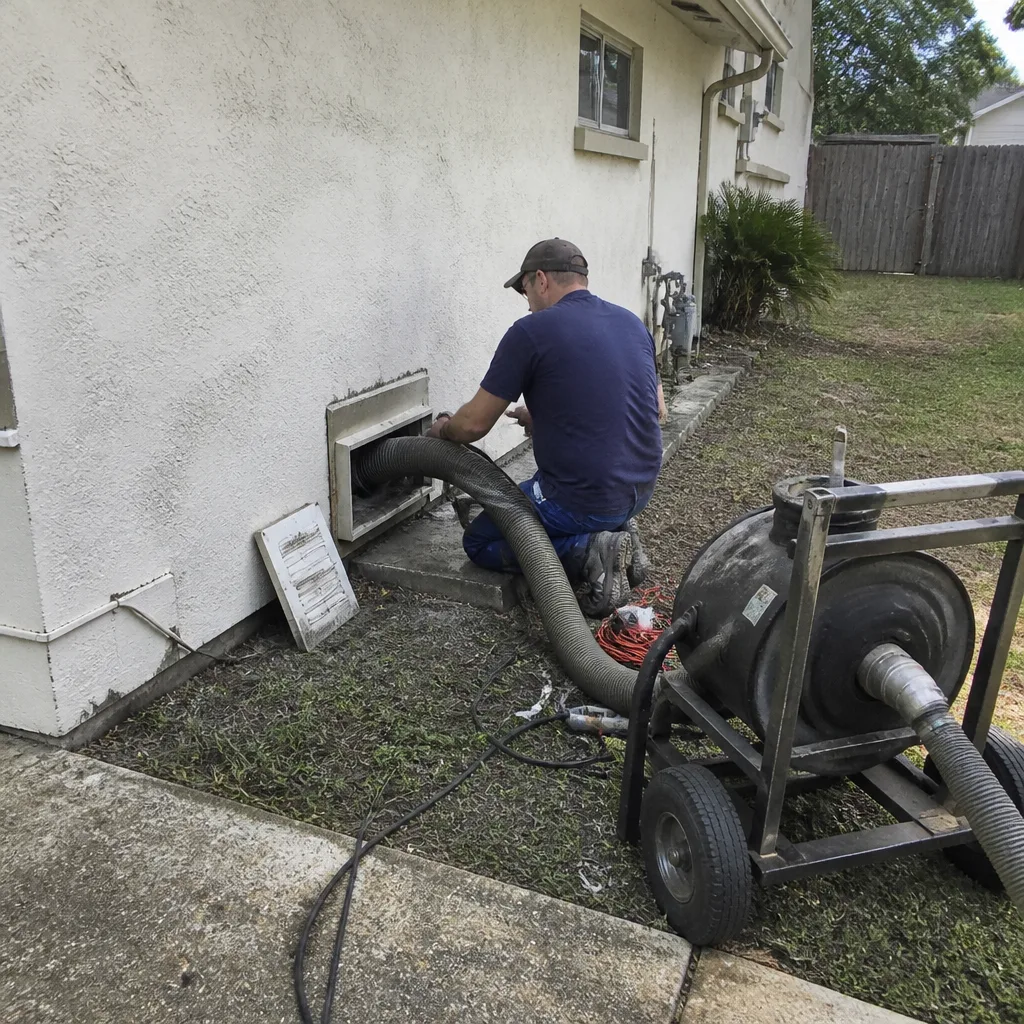 Before
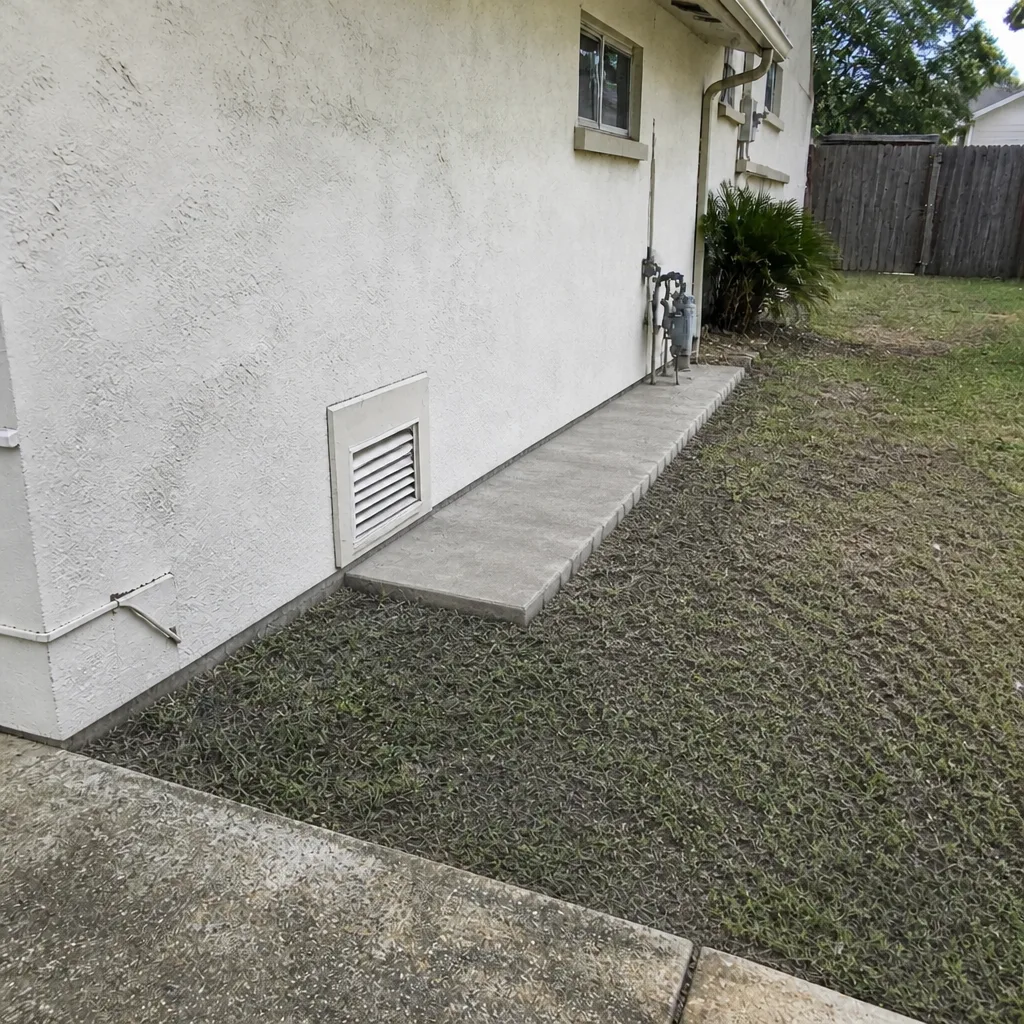 After
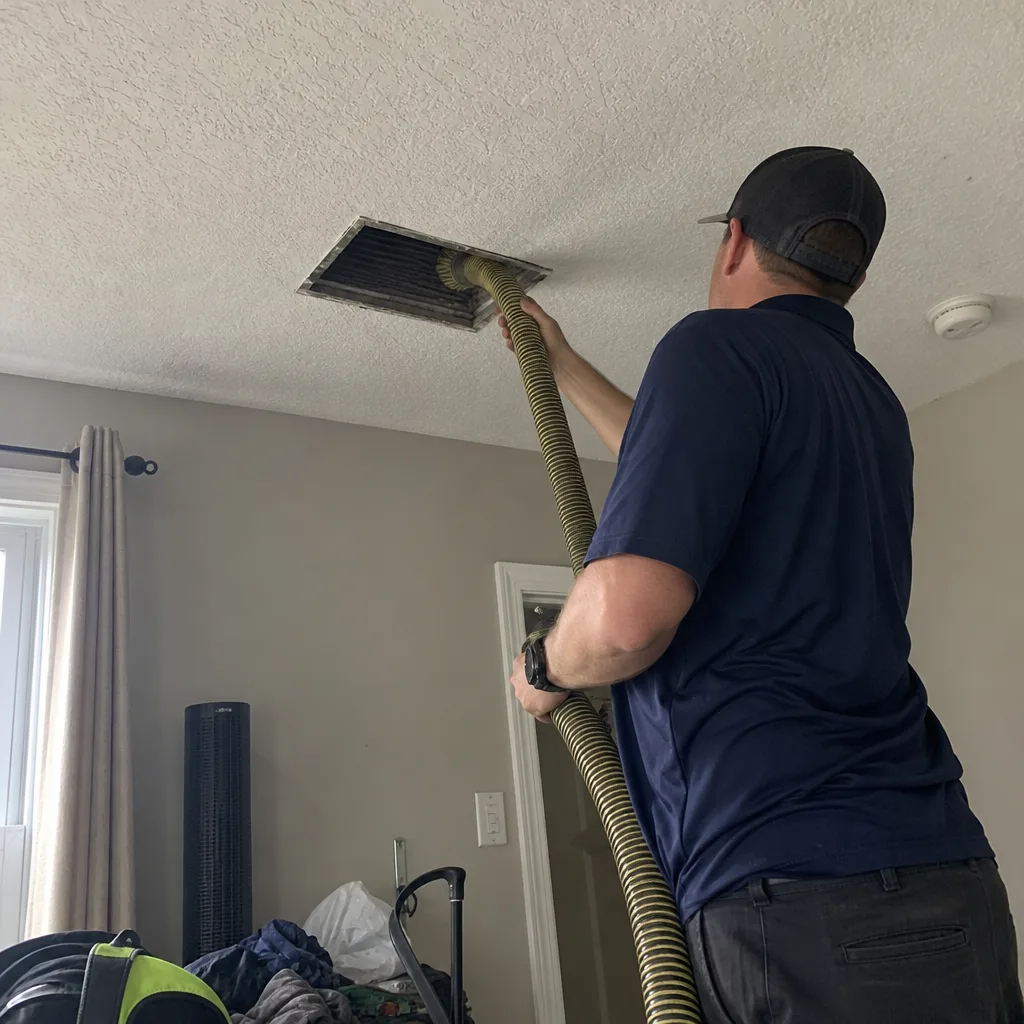 Before
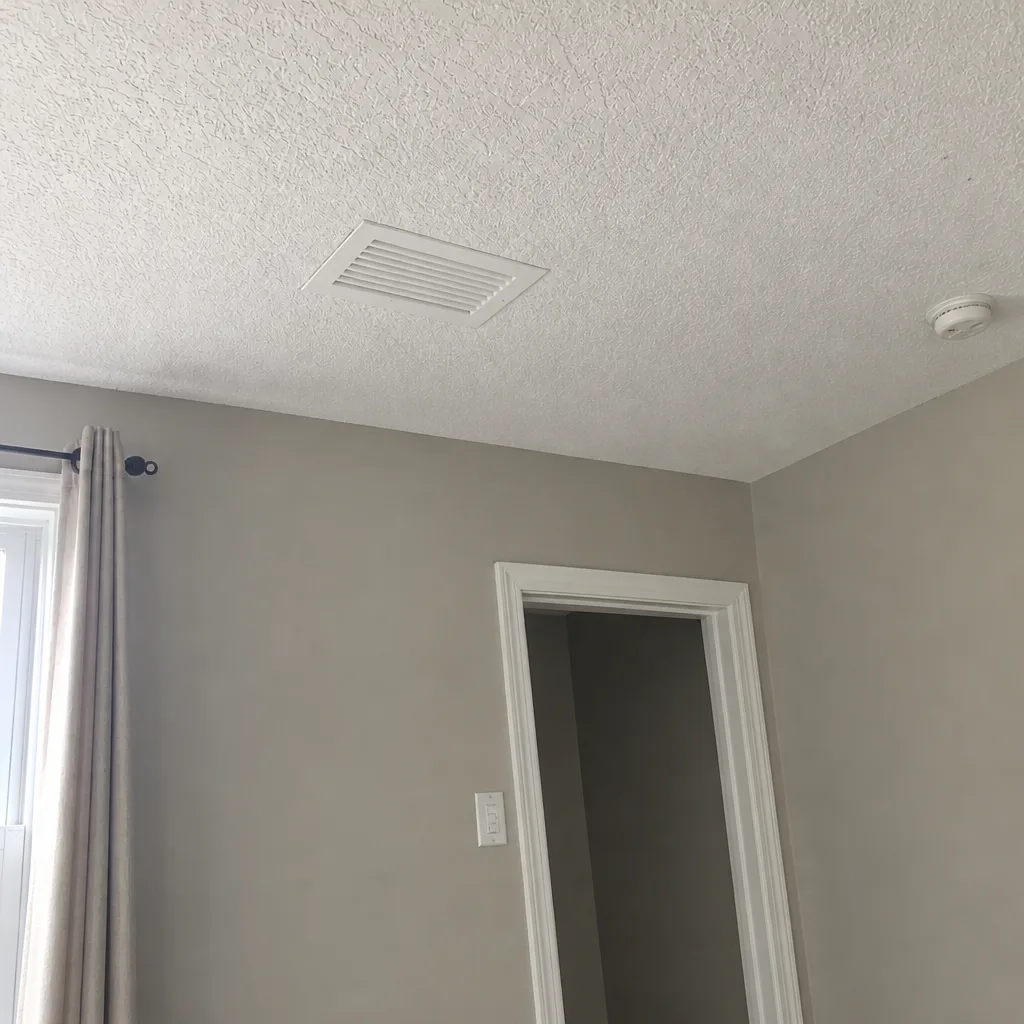 After
 Before
 After
When to Call a Professional
Call a professional when your symptoms point to something you can’t verify from the living room. If dust returns within days of a cleaning, if your tissue test shows one group of registers starved of airflow while others are fine, if a musty smell returns after a cleaning, or if you’ve had recent renovation and want the system checked out properly, that’s the time. The same goes for high humidity in the house, a system over a decade old with original flex runs, or pets and allergy sufferers in the home.
Some problems are only visible with the system open, and others aren’t safe or appropriate for a homeowner to chase. A technician with the right equipment can identify the contamination zone, check for breaches, and tell you whether you need air duct cleaning alone or a repair as well. We handle all three core services, air duct cleaning, dryer vent cleaning, and air duct repair, so issues found during the visit can be addressed the same appointment. Duct Cleaning Palm Coast offers free estimates in Palm Coast. Call (855) 592-3509. We answer 24/7. Fast dispatch from 7am to 7pm, Sunday through Friday. We’re closed Saturday.
Frequently Asked Questions
Pricing is set per system by written estimate, and the estimate is free, so there’s no single number that fits every home. What matters more than the price is what’s included: whether the work uses contact cleaning with negative pressure, whether the return side is addressed, and whether you get before-and-after photos of your own ducts. Whole-system estimates vary with the layout, the number of runs, and any repairs needed. Call (855) 592-3509 for an exact quote. It costs nothing to know.
Because the work is different. A low quote typically reflects a shop-vac and brush job that agitates debris without professional extraction or containment, and often skips the return side and the coil area entirely. The equipment explains most of the gap: Rotobrush contact cleaning, Nikro and Abatement negative-pressure extraction, and proper HEPA filtration are commercial-grade tools that cost more to run. We set one flat price per system, agreed before work starts, with no per-vent pricing. Call (855) 592-3509 for a free estimate.
Before-and-after photos of your own ducts are the only reliable verification. Ask for them as part of the job, and ask which equipment was used by name so you can confirm it’s contact cleaning with negative pressure rather than suction-only. A professional should have no trouble answering both questions. If a quote can’t tell you what equipment will be used, that’s a sign the answer is “a shop-vac.” Call (855) 592-3509 to book an estimate and we’ll walk you through the process.
For most Palm Coast homes, every three to five years is a reasonable baseline, adjusted for household conditions. Homes with pets, allergy sufferers, recent renovation, or heavy dust loading may need it more often. Homes with high-efficiency filtration and low dust may go longer. The right interval depends on the home, not a fixed calendar. Call (855) 592-3509 for a free estimate and we’ll help you set a realistic schedule.
Yes, it can, and that’s exactly why we check the moisture picture alongside the ducts. High humidity keeps flex duct surfaces damp enough for microbial regrowth, so cleaning without addressing moisture or surface condition tends to be short-lived. The fix includes moisture control at the coil and drain pan, the right filter, and where appropriate, encapsulation after inspection. Call (855) 592-3509 for an estimate and we’ll look at the whole system.
Often yes, when the issue is a repair that can be handled during the same appointment. We offer air duct repair as a standalone service precisely so problems found during cleaning can be fixed rather than deferred to a separate contractor. Some repairs need parts or a follow-up once the scope is clear, and we’ll tell you that on-site. Call (855) 592-3509 for a free estimate and we’ll walk you through the options.
The likely cause is the evaporator coil or drain pan, not the ducts. That’s the most common reason musty smells return after a duct cleaning, and the answer is to inspect the air handler side before deciding on another duct job. We can check the whole air pathway, including the coil area, as part of the estimate. Call (855) 592-3509 and we’ll help you sort it out.
The Bottom Line
Duct problems in Palm Coast come down to three root causes: contamination that wasn’t removed, mechanical breaches that starve airflow, and moisture that feeds regrowth in a humid climate. Your first job as a homeowner is to read the symptom, whether that’s the tissue-paper test, the dust reappearance timeline, or the odor pattern, and trace it to the right cause before spending. When the answer is a proper cleaning, contact cleaning with negative pressure and before-and-after photos is the standard worth insisting on. When it’s a repair, we handle it. Cleaning, repair, and dryer vent work all fall under the same air-pathway scope, so get the whole system looked at by people who use professional-grade equipment.
Duct Cleaning Palm Coast offers free estimates. Call (855) 592-3509. We answer 24/7. Fast dispatch from 7am to 7pm, Sunday through Friday. We’re closed Saturday.
Written by the team at Duct Cleaning Palm Coast.