
Last updated November 15, 2026
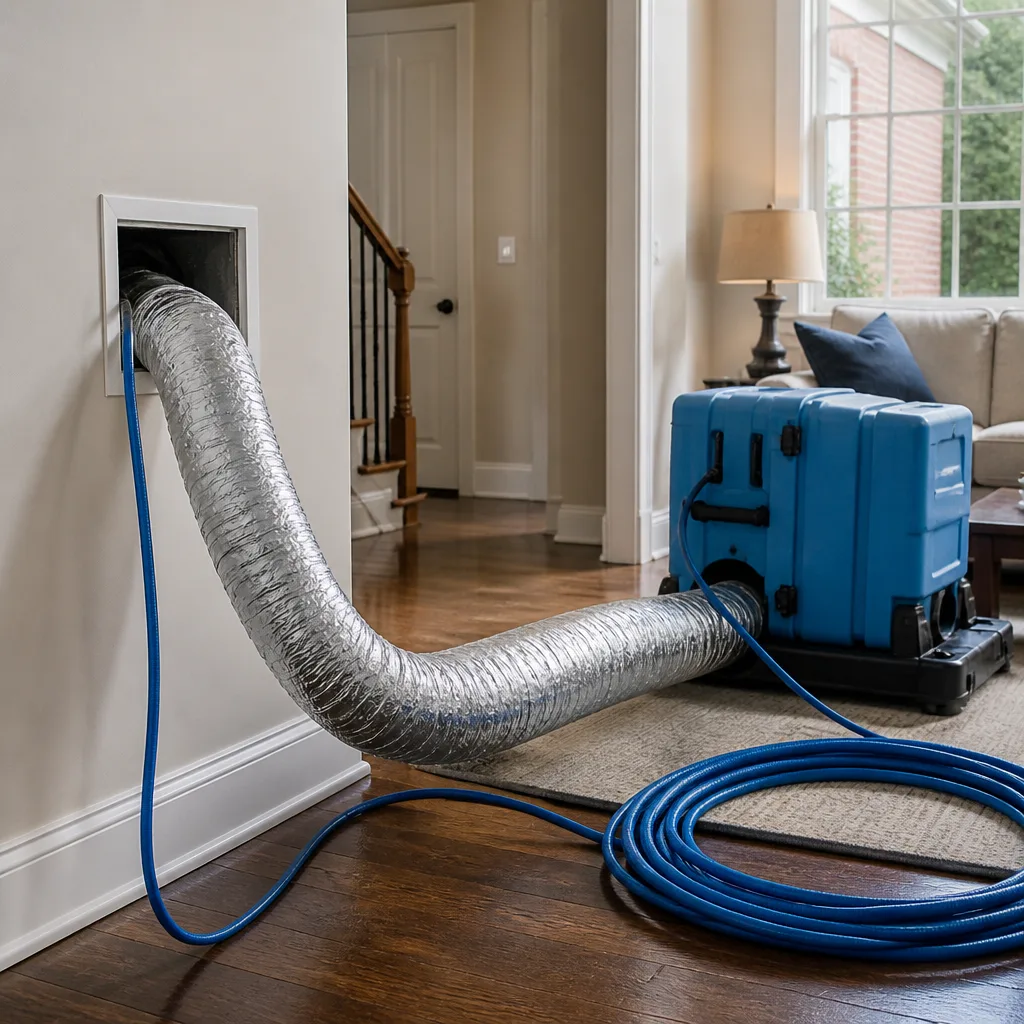 Whole-home duct cleaning
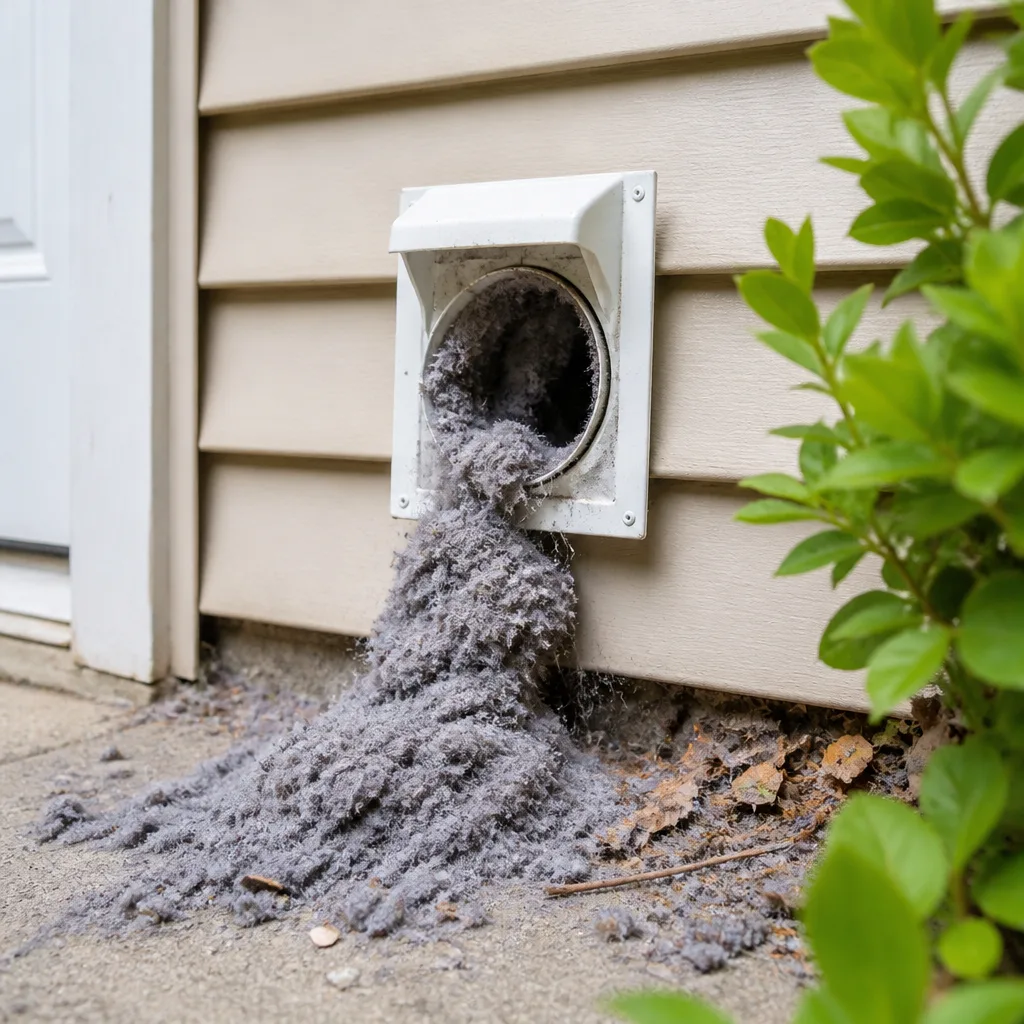 Dryer vent cleaning
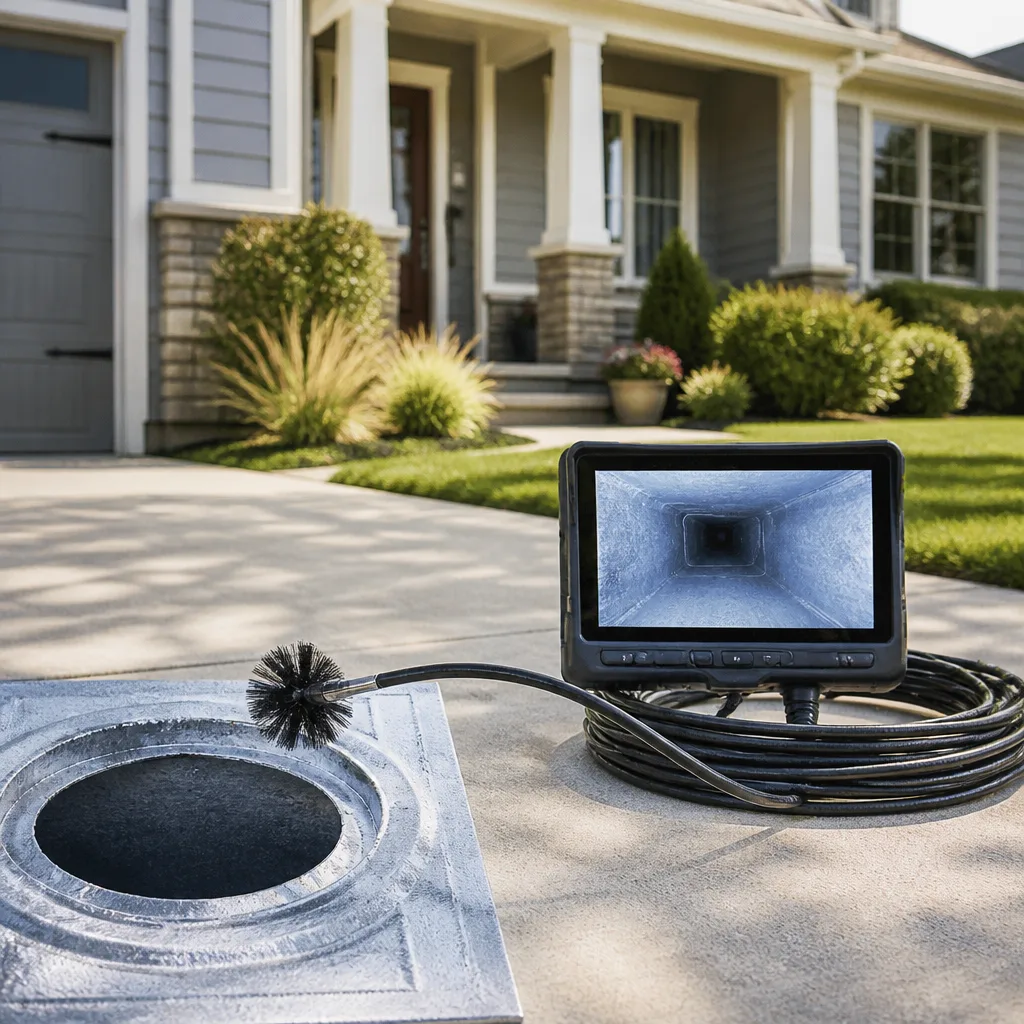 Camera inspection
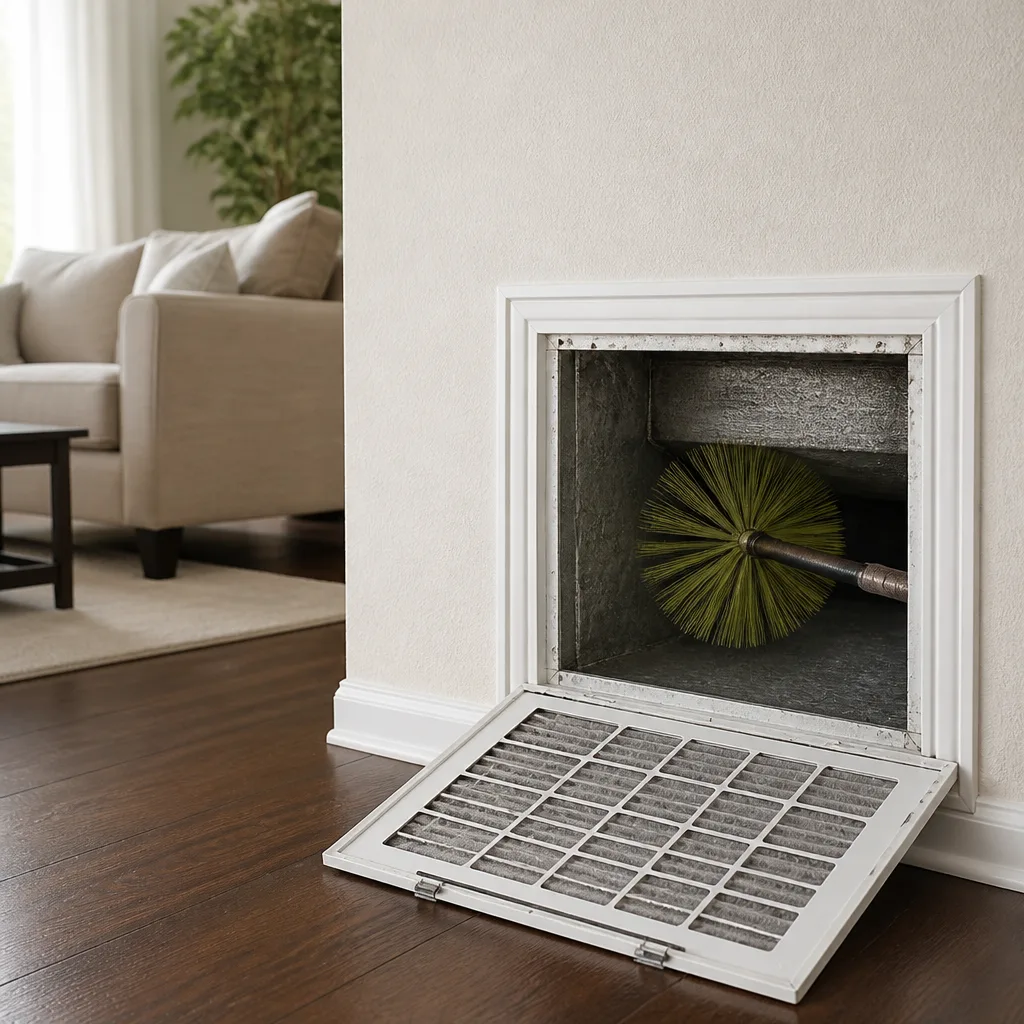 Sanitizing & deodorizing
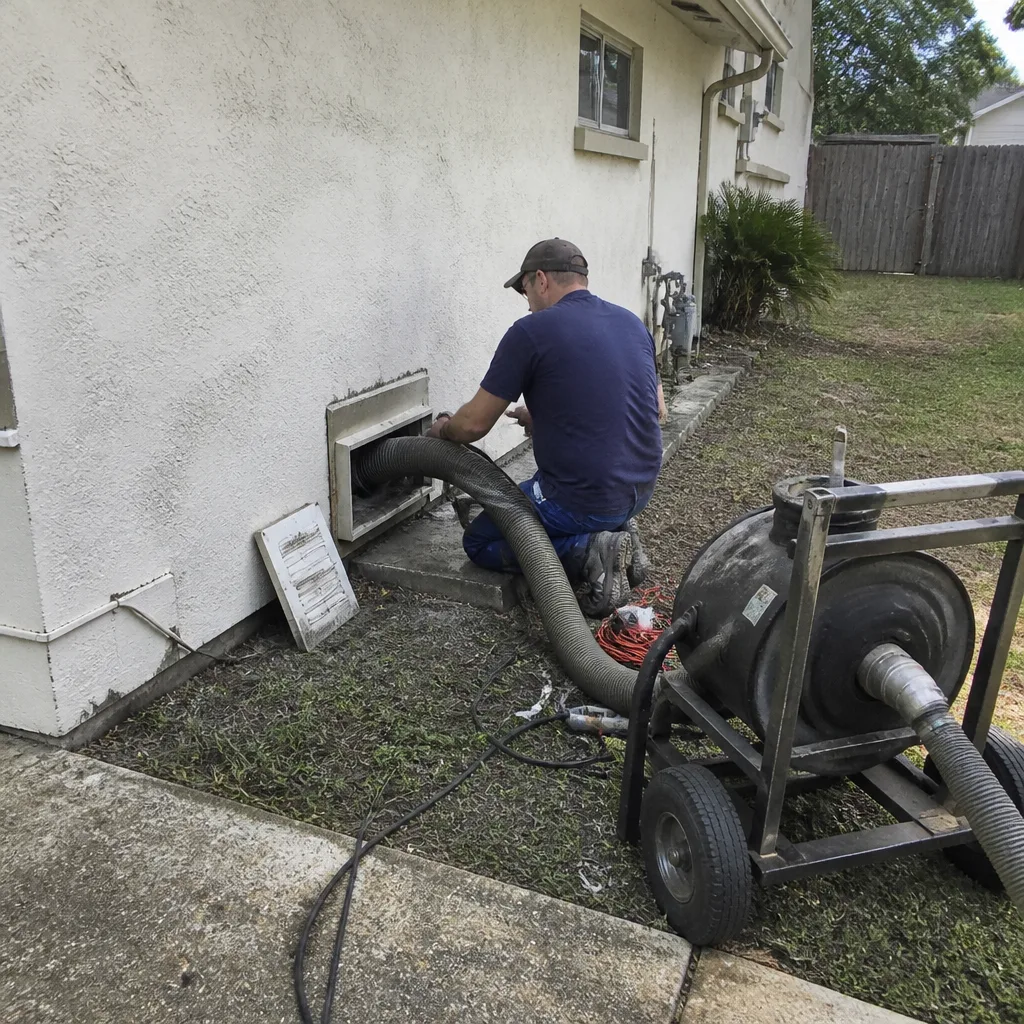
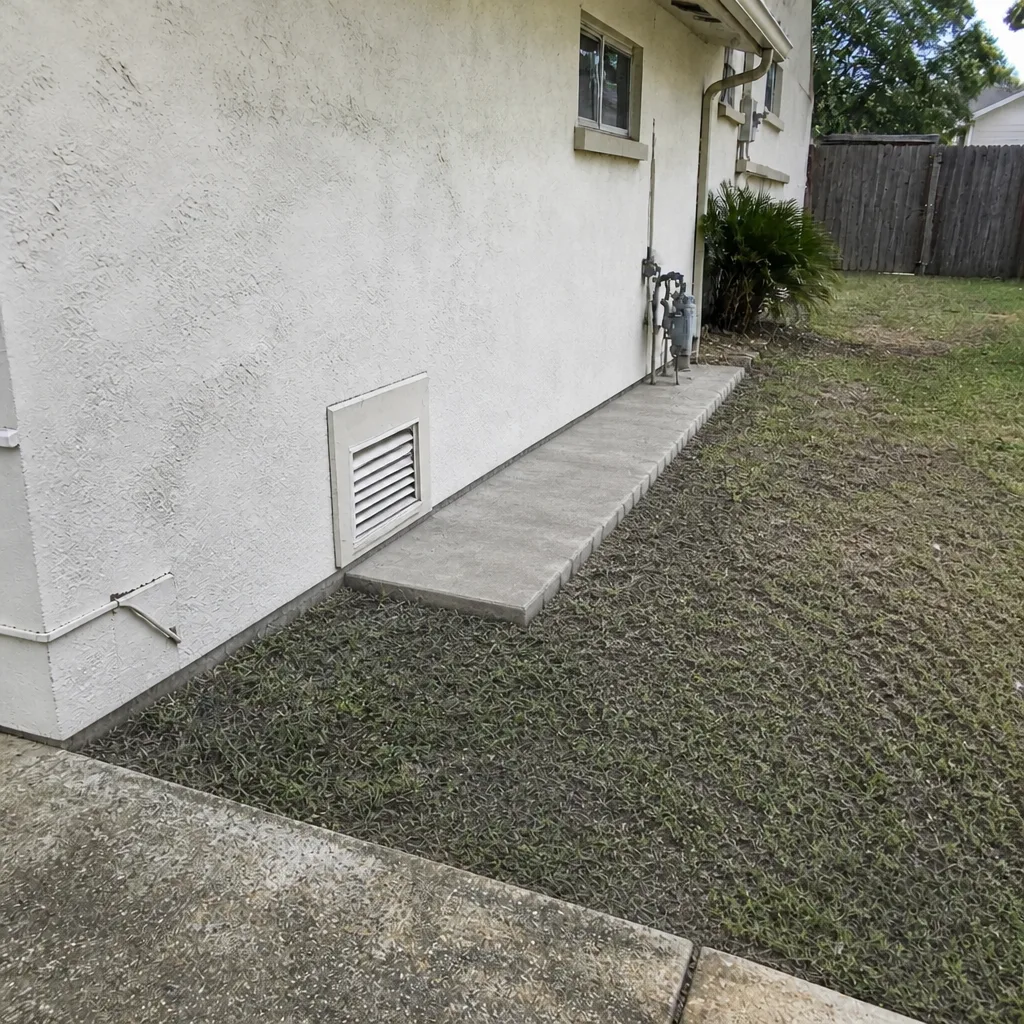
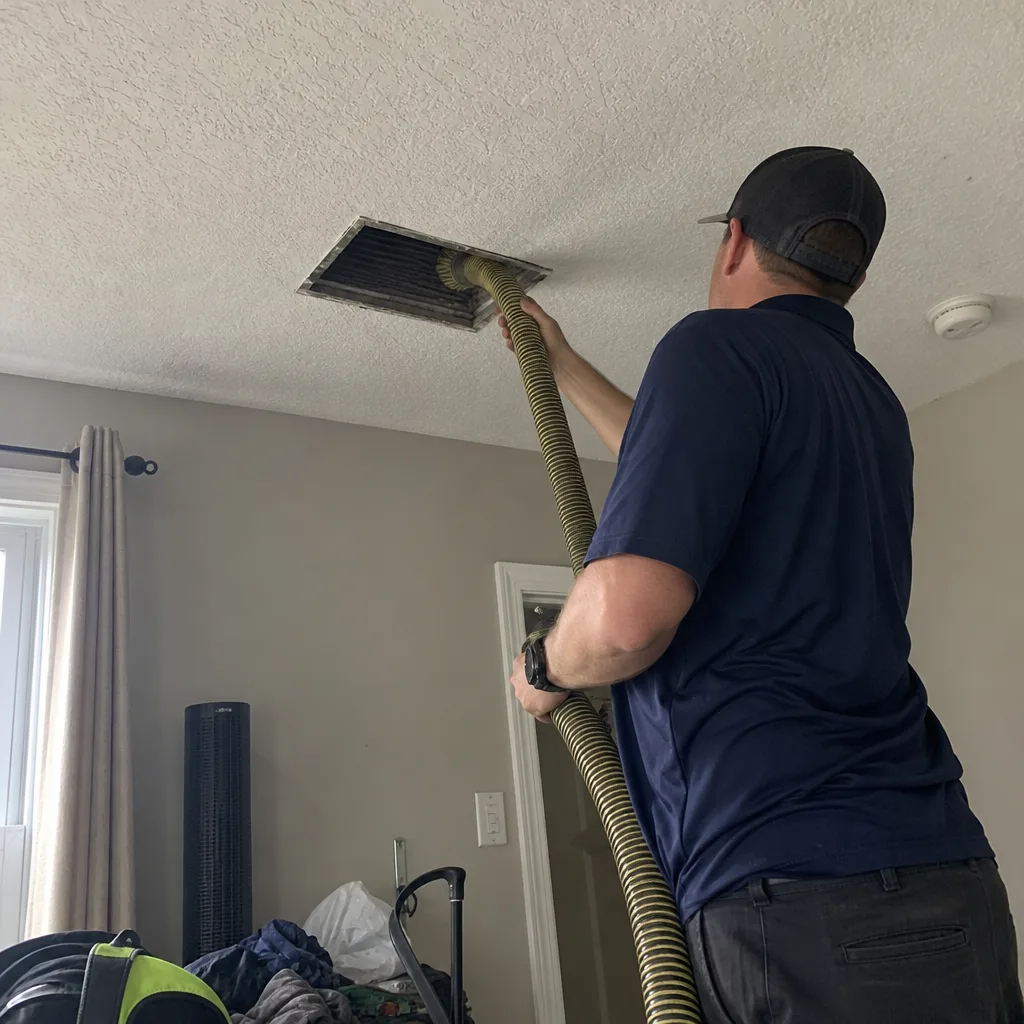
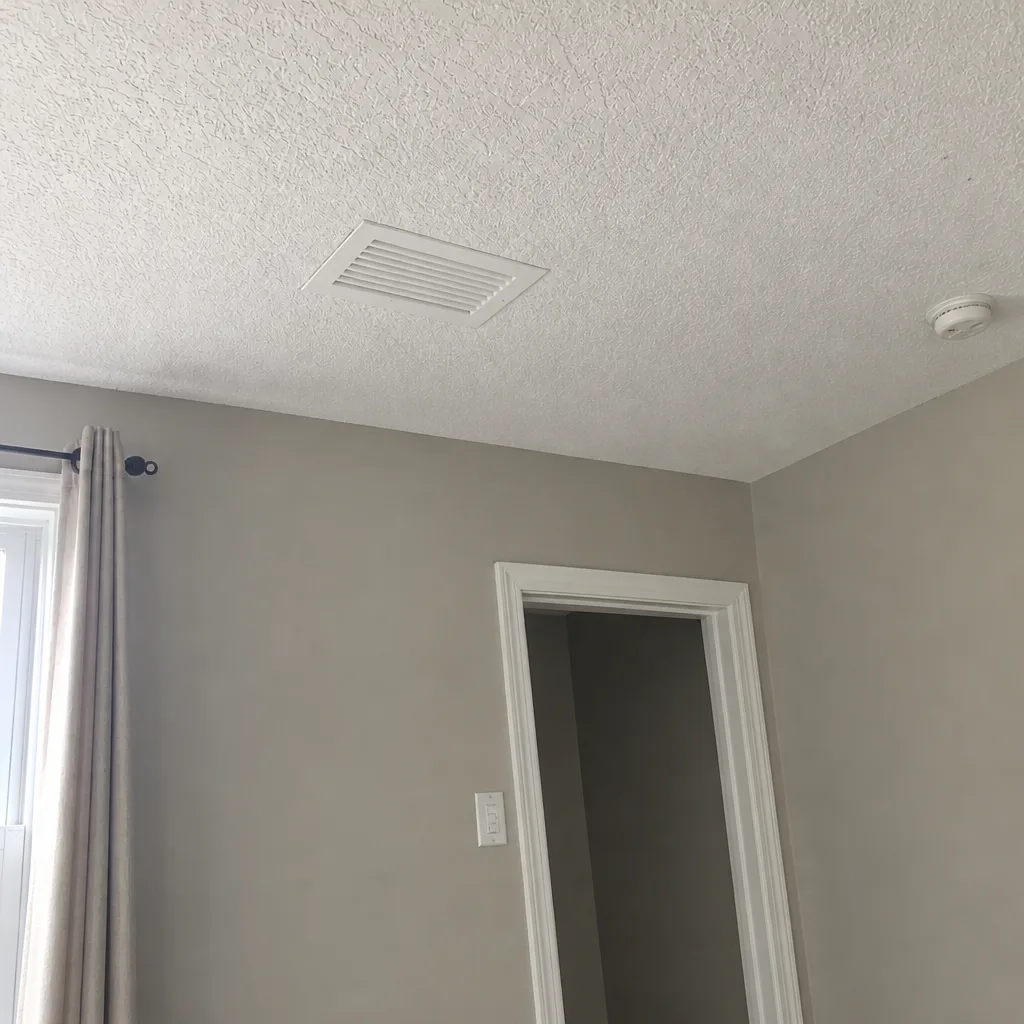
Whole-system duct and dryer vent check with before-and-after photos - you see exactly what came out of your vents
That "$99 whole-house special" is a bait ad - the real number appears once they are in your hallway, or the "clean" is a shop-vac at the register. We photograph the inside of your ducts before and after instead.
Air Duct Cleaning Maintenance Schedule: What to Do and When
The 3-to-5-year duct cleaning interval that gets quoted everywhere started as a research observation, not a maintenance prescription. The EPA noted it as a general finding about typical homes, and it has been repeated so often that it now sounds like a rule. In a subtropical market like Palm Coast, building a cleaning schedule around a national average is like using a Minnesota frost date to plan your garden. The variables that actually drive how fast ductwork loads up with debris, dust, and biological growth are local: humidity, construction activity, pets, filtration, and the age of the system. This guide lays out a tiered schedule built for Palm Coast homes and explains how to adjust it as conditions change.
Quick Answer
In Palm Coast and the surrounding Flagler County area, most homes need professional duct cleaning every 2 to 4 years, with an annual visual inspection at the air handler and supply plenum. Homes within roughly 2 miles of the Intracoastal Waterway or the Atlantic, homes with pets or recent renovations, and systems older than 10 years often land on the shorter end or need event-based cleanings that reset the schedule entirely.
Styles & brands we work with
- Whole-home duct cleaning
- Dryer vent cleaning
- Camera inspection
- Sanitizing & deodorizing
Table of Contents
- Why the 3-to-5-Year Rule Doesn’t Fit Palm Coast
- Coastal Humidity and Duct Loading: The 2-Mile Factor
- A Tiered Baseline Schedule for Palm Coast Homes
- Event-Based Triggers That Reset the Clock
- Inspection Intervals vs. Cleaning Intervals
- How Filter Upgrades Change Your Schedule
- What to Log After Every Service
- Common Mistakes to Avoid
Why the 3-to-5-Year Rule Doesn’t Fit Palm Coast
The federal guidance most people are thinking of when they quote “every 3 to 5 years” is about as specific as it gets for a national audience. It was never meant as a maintenance schedule for any individual home. Duct contamination is driven by what enters the system, how well the filter catches it, how much moisture sits inside the ductwork, and how long the system runs each year.
All four of those factors behave differently in Palm Coast than in the climates most national recommendations were written for:
- Run time. Cooling systems here run far more hours per year than systems in northern states, moving far more air through the same ducts. More airflow means more debris deposited on duct walls.
- Humidity. High summer humidity keeps surfaces inside ductwork closer to the conditions mold and mildew need. That’s why humidity matters as much as dust.
- Pollen and vegetation. Year-round growing season means year-round particulate load entering the return side of the system.
- Construction. Palm Coast has seen steady new-home and renovation activity, and drywall dust and framing debris are the single most common reason we see ductwork loaded well ahead of schedule.
A home two blocks from the Intracoastal and a home 6 miles inland in western Flagler County can share the same square footage and HVAC tonnage and still need different cleaning intervals. The schedule has to start with where the house sits and how it’s used, not with a number on the calendar.
Coastal Humidity and Duct Loading: The 2-Mile Factor
Homes within roughly 2 miles of the Intracoastal Waterway or the Atlantic tend to load ductwork faster than inland homes. The mechanism is straightforward: higher ambient humidity means return air carries more moisture, and moisture is what turns ordinary dust into the sticky film that spores and biological growth settle into. Duct interiors that stay slightly damp between cooling cycles collect material that dry ductwork sheds more readily.
You can often see the difference on the supply registers. In coastal homes, dust films on the grille face tend to be darker and more uniform, and the same film often appears on the inside of the boot and the first few feet of the branch run. Inland homes, sitting on higher, drier ground, often show lighter, looser dust that clears more easily during contact cleaning.
This is one of the reasons we use the Rotobrush contact-cleaning system rather than a blower-only approach. Rotobrush physically brushes debris from duct walls before extraction. A high-volume blower can knock loose material off a flexible duct liner, but it does very little to the film that builds up in high-humidity homes. The brush-and-extract process is what actually resets a coastal duct system’s baseline, which is what you need if you’re trying to track contamination rate over time.
If you’re near the water and seeing faster accumulation than the tiered schedule suggests, that’s a sign to shorten the interval, not to skip the cleaning. A proper air duct cleaning resets the clock; ignoring it just pushes you toward a remediation job.
A Tiered Baseline Schedule for Palm Coast Homes
Use this tiered schedule as a starting point. Each tier assumes an annual visual inspection and a filter change on the manufacturer’s recommended interval (typically every 1 to 3 months in this climate). Move up a tier if you hit any of the event triggers in the next section.
- Tier 1 – Inland, no pets, no recent renovation, newer system (under 8 years), MERV 8 or better, no allergy concerns. Clean every 4 years. Inspect annually.
- Tier 2 – Within 2 miles of the Intracoastal or Atlantic, or any home with one pet, or a system 8 to 15 years old. Clean every 3 years. Inspect annually.
- Tier 3 – Coastal proximity plus pets, or two or more pets, or a household with allergy or asthma sufferers, or a system older than 15 years. Clean every 2 to 2.5 years. Inspect annually, and consider a mid-cycle inspection.
- Tier 4 – Recent renovation within the last 24 months, water intrusion from a storm, rodent activity, or visible mold at a register. Clean now regardless of when the last cleaning happened, then re-baseline at the next tier once the event is resolved.
Two things to note. First, “years” here means since the last documented cleaning of the full system, not since you moved in. If you don’t know when the system was last cleaned, treat it as Tier 2 until an inspection tells you otherwise. Second, duct repair is a separate scope that resets the schedule too. A crushed branch run or a disconnected boot leaks unfiltered attic air into the system, and that pulls debris in far faster than design airflow ever would. If a cleaning turns up a repair issue, the right move is to fix it on the same visit, which is why we offer duct repair as a standalone service rather than a separate contractor dispatch. That’s what it means to clean, repair, and restore your air pathway from furnace to vent.
Event-Based Triggers That Reset the Clock
Calendar intervals are a planning tool. Events are what actually determine when a home needs cleaning. Any of the following automatically resets the schedule, regardless of how recently the ducts were last cleaned:
- Hurricane season water intrusion. Florida’s storm season runs June through November. Any storm that pushes water into the envelope, soaks insulation, or leaves the HVAC system running in a damp house needs a duct inspection. Standing moisture in a duct system is a biological growth problem, not a dust problem, and it doesn’t wait for the calendar.
- HVAC coil or air-handler replacement. Whenever the indoor coil, air handler, or plenum is opened up for a major repair, the system is exposed to construction debris and to the accumulated material that was sitting on the old components. Cleaning after the replacement is standard practice.
- Rodent presence. Rodents use duct runs as highways and nest in insulation around boots and plenums. Droppings and nesting material are a health concern, and the contaminated section needs removal, not just a pass with a vacuum. This is one of the cases where the containment side of the job matters enormously.
- Any renovation that opens walls. Drywall dust is the most common cause of premature duct loading we see. A kitchen remodel, a room addition, even a heavy re-pipe job throws fine particulate into the air for weeks. Clean after the final sweep, not before.
- New-to-you home purchase. You don’t know the previous owner’s habits. A clean baseline is worth the cost during the first year.
These triggers are exactly why we don’t sell a subscription-style maintenance plan with a fixed cleaning date. The right schedule is a moving target based on what happened to your house this year, and a technician who understands your system is a better guide than a contract with a date on it.
Inspection Intervals vs. Cleaning Intervals
These are two different jobs on two different schedules, and conflating them is one of the most common sources of expensive surprises. Inspection is a visual check of the accessible system: the return plenum, the air handler cabinet, the supply plenum, the register boots, and a sample of branch runs. It doesn’t require cleaning equipment, and it catches problems early.
Cleaning is the full contact-and-extraction process that resets the system’s baseline. It’s a bigger job, and it’s only worth doing when the system actually needs it.
Here’s the schedule we recommend separating out:
- Inspection: annually. Best done before cooling season, so any issues are caught before the system runs hard for six months.
- Cleaning: per the tiered schedule, or earlier if an inspection or event trigger calls for it.
- Dryer vent inspection: annually. The dryer vent is a separate air pathway with its own safety profile. The U.S. Fire Administration links thousands of residential fires each year to clogged dryer vents, which is why we treat dryer vent cleaning as a routine safety service rather than an HVAC accessory.
A free annual visual inspection at the plenum catches problems early. If dust films are building faster than the tiered schedule predicts, you know to shorten the interval. If a branch is disconnected or a boot is crushed, you catch it before it’s pulled a full extra season of attic air into your home. Annual inspection costs nothing in most cases and saves you from a remediation job.
How Filter Upgrades Change Your Schedule
Filtration is the single most controllable input on your duct contamination rate. Whatever your filter catches never reaches the duct interior, so a better filter is functionally a schedule modifier: it extends the interval before cleaning is needed.
The most common upgrade path we see is a move from a basic MERV 8 filter to a MERV 11 media filter. MERV 11 catches finer particulate, including more of the pollen and fine dust that load duct surfaces in Palm Coast’s year-round growing season. On most residential systems, the jump from MERV 8 to MERV 11 doesn’t meaningfully restrict airflow the way higher-MERV filters can, but it does noticeably reduce what deposits on duct walls.
Two cautions. First, higher-MERV filters do nothing if the filter housing leaks or if the filter slot is undersized, which is common in older systems. A proper media cabinet upgrade is often the more valuable investment than a higher filter number. Second, the filter has to be changed on schedule. A MERV 11 filter that’s loaded with dust becomes a restriction that increases static pressure and reduces airflow, which is worse than a clean MERV 8.
We carry Honeywell and Aprilaire media filter lines precisely because we can do the upgrade and the cleaning on the same visit. If the system already has a Honeywell or Aprilaire cabinet, filter replacement is straightforward. If it doesn’t, we can quote the media cabinet as a separate part of the estimate so you know the cost before any work starts.
If you want the technical detail on how filtration interacts with the cleaning process, the Duct Cleaning Palm Coast overview covers it alongside the equipment we use.
What to Log After Every Service
The single most useful thing you can do to make your cleaning schedule smarter over time is to keep a log. Every service call should produce the same set of records, so that the next technician (or you, comparing notes) can tell whether contamination rate is rising, stable, or falling.
Log the following after each service:
- Date and system hours of use. Not just calendar date; ask the technician for a rough estimate of annual run hours if available.
- Filter type and MERV rating. Note whether the filter was changed during the service and what went in.
- Contamination observations by section. Return plenum, main trunk, and a sample of branch runs. “Light dust film” versus “heavy dark film” versus “visible growth” is enough; you don’t need a lab report.
- Moisture observations. Any signs of condensation, standing water, or history of water intrusion.
- Repairs performed. Disconnected boots, crushed runs, leaks sealed, or new components installed. Repairs reset the schedule.
- Before-and-after photos. Any legitimate cleaning service should provide these. They’re your record that the work improved the system, not just that a crew showed up.
If your log shows the same section loading faster each cycle, your interval should shorten. If it shows lighter film each cycle after a filtration upgrade, you can safely extend. Two cleanings are usually enough to see the pattern.
Common Mistakes to Avoid
- Treating 3 to 5 years as a rule. It isn’t. The national figure was an observation, and it will push Palm Coast homes toward either over-servicing or under-servicing depending on tier. Base the schedule on your tier and your log.
- Skipping the annual visual inspection. A free plenum check catches disconnected boots, mold at the registers, and early contamination long before remediation is needed. Because it’s quick, homeowners often skip it, and then they book a cleaning years later that costs far more than it would have.
- Cleaning without repairing. If your system has a disconnected branch or a crushed flex run, cleaning the rest of the ductwork won’t fix the fact that unfiltered attic air is entering the system every time the fan runs. The contamination rate will stay high, and you’ll be back in the schedule too soon. Duct repair has to happen on the same visit.
- Using a hardware-store vacuum as a “cleaning”. Consumer vacuums don’t have the containment or the extraction capacity to do more than stir dust. Abatement Technologies and Nikro equipment exists for exactly this reason: commercial-grade containment is what keeps the debris from redistributing through the house.
- Cleaning right after a renovation instead of after the final sweep. Clean too early and the drywall dust you were trying to remove is still settling. Wait for the final construction sweep and a full HVAC cycle.
- Ignoring the dryer vent. The dryer vent loads on its own schedule and carries a fire risk that the return air ducts don’t. Annual inspection is the minimum, and cleaning whenever airflow noticeably slows.
- Using “how often” as the only variable. Frequency is only half the answer. The other half is whether the cleaning resets the baseline. A blower-only pass doesn’t, which is why you’ll see inconsistent results from low-bid providers and why homeowners end up cleaning far more often than the tiered schedule would suggest.
See the difference
 Before
 After
 Before
 After
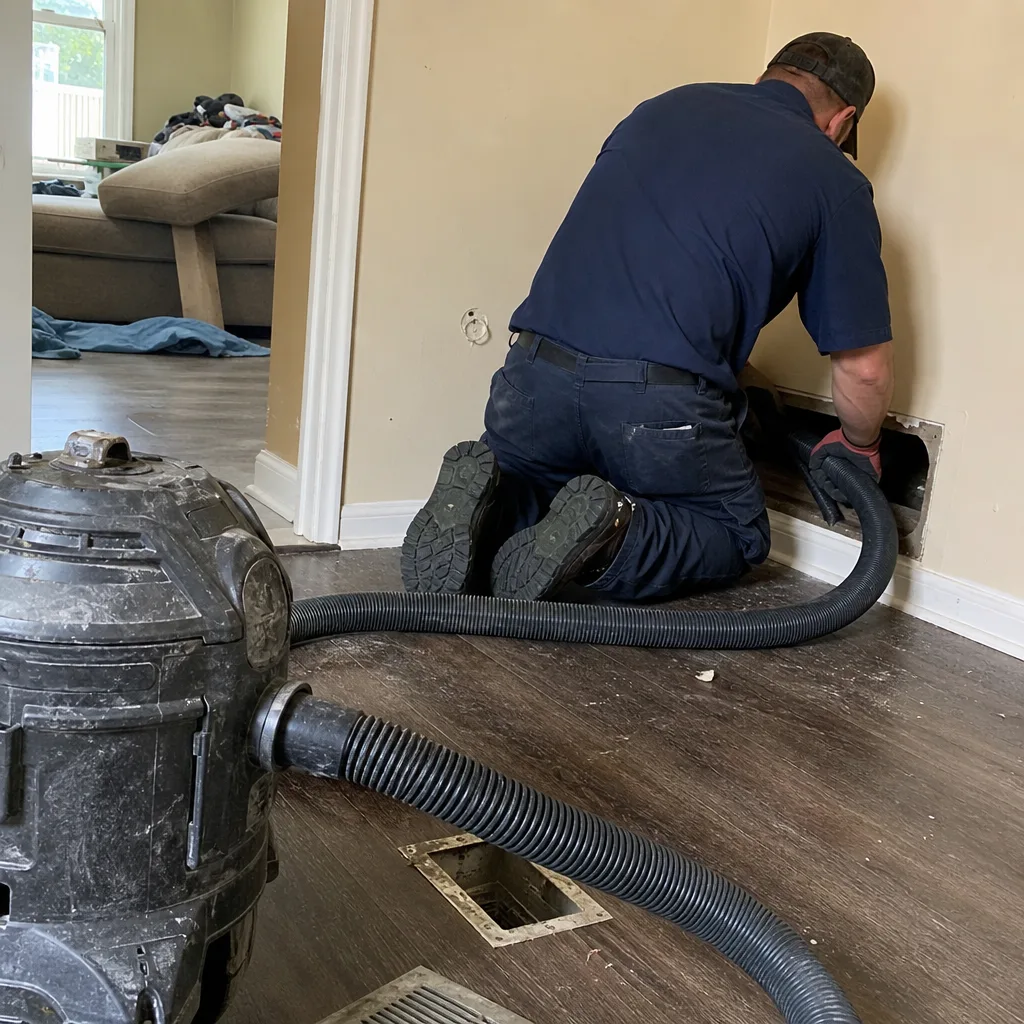 Before
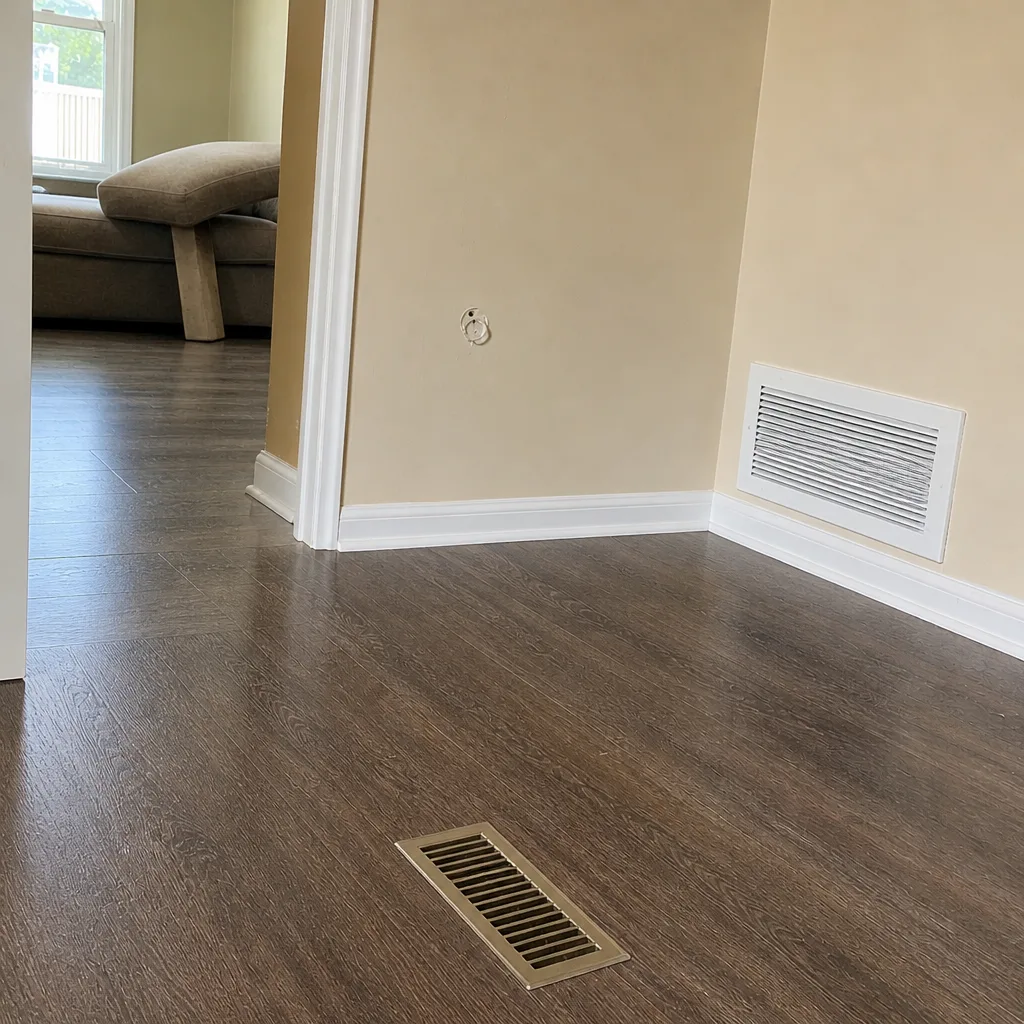 After
When to Call a Professional
Some jobs you can handle yourself. Filter changes, cleaning visible registers, and checking that return grilles aren’t blocked all fall into that category. Duct cleaning and inspection don’t. Call a professional when any of the following applies: you’ve just finished a renovation, your system has had water intrusion from a storm, you’ve seen or heard rodents, a register is showing visible dark growth, airflow at some vents is noticeably weaker than at others, you’re moving into a home with an unknown service history, or it’s simply been long enough that your log says it’s time.
A trained technician has the containment equipment to remove contaminated debris without redistributing it through the house. Rotobrush contact cleaning, combined with Nikro and Abatement Technologies extraction, is the commercial-grade standard. Consumer equipment cannot match it, and a low coupon price usually reflects that. Our technicians have up to 15 years of experience in this climate and this equipment.
Duct Cleaning Palm Coast offers free estimates in Palm Coast and the surrounding area. We work with you to determine your tier, inspect the system, and give you one flat price per system before any work starts. Call (855) 592-3509. We answer 24/7. Fast dispatch from 7am to 7pm, Sunday through Friday.
Frequently Asked Questions
Most Florida homes need professional duct cleaning every 2 to 4 years, with an annual visual inspection. Homes with pets, recent renovations, coastal humidity exposure, or systems older than 10 years often fall on the shorter end. In Palm Coast specifically, coastal proximity within about 2 miles of the water and year-round HVAC run time push many homes toward a 2-to-3-year cycle. Event triggers like storm water intrusion or a renovation reset the clock regardless. Call (855) 592-3509 for an exact quote – estimates are free.
That figure is a national observation, not a maintenance rule. It ignores climate, humidity, pets, filtration quality, construction activity, and system age. In a subtropical market like Palm Coast, cleaning to that interval means over-servicing some homes and under-servicing others. A tiered schedule based on your specific conditions and a service log is a far more reliable guide.
The rule of thumb is roughly 2 miles from the Intracoastal or Atlantic. Homes inside that band tend to show darker, more uniform dust films at the supply registers and inside the boot. That’s a sign of higher moisture load turning ordinary dust into sticky film. If you’re inside the band and adding pets, allergies, or an older system, plan on a 2-to-2.5-year cycle. Call for a free visual inspection to confirm.
Yes, on most residential systems. Moving from a basic MERV 8 filter to a MERV 11 media filter catches noticeably more fine particulate before it reaches the ducts, which proportionally reduces what deposits on duct interior surfaces. The impact is measurable if you log contamination observations each cycle. Honeywell and Aprilaire cabinets are common upgrade paths, and we can quote the cabinet and the filter on the same visit as the cleaning.
Book an inspection regardless of when the ducts were last cleaned. Renovation dust and storm moisture both reset the schedule. Clean only after the renovation’s final sweep, and after any wet insulation or compromised material is removed. If the event involved water intrusion, the priority is confirming the duct system is dry and free of biological growth before the system runs hard again.
Most cheap quotes are for a blower-only pass using consumer-grade equipment, which agitates dust without removing it from duct walls and often doesn’t include containment. The price reflects the process. A proper job uses contact cleaning and commercial-grade extraction – Rotobrush for the brush-and-extract process, Nikro and Abatement Technologies for containment. We quote one flat price per system before work starts and provide before-and-after photos so you can verify what was done. Call (855) 592-3509 for an honest estimate.
The Bottom Line
The 3-to-5-year figure is a starting point, not a schedule. In Palm Coast, the right interval depends on where your home sits relative to the coast, how many pets and people share the air, what filter the system runs, and whether anything happened to the house that reset the clock. Build a tiered schedule, keep a service log, inspect annually, and let event triggers – storms, renovations, HVAC replacements, rodents – override the calendar. Fix what you find on the same visit. Then compare contamination rate cycle to cycle, and trust the log to tell you whether to shorten or extend. Call (855) 592-3509 anytime for a free estimate.
Written by the team at Duct Cleaning Palm Coast.